
Chinese manufacturer anticipates Xiaomi 18 and adopts rivals’ names to attract audiences

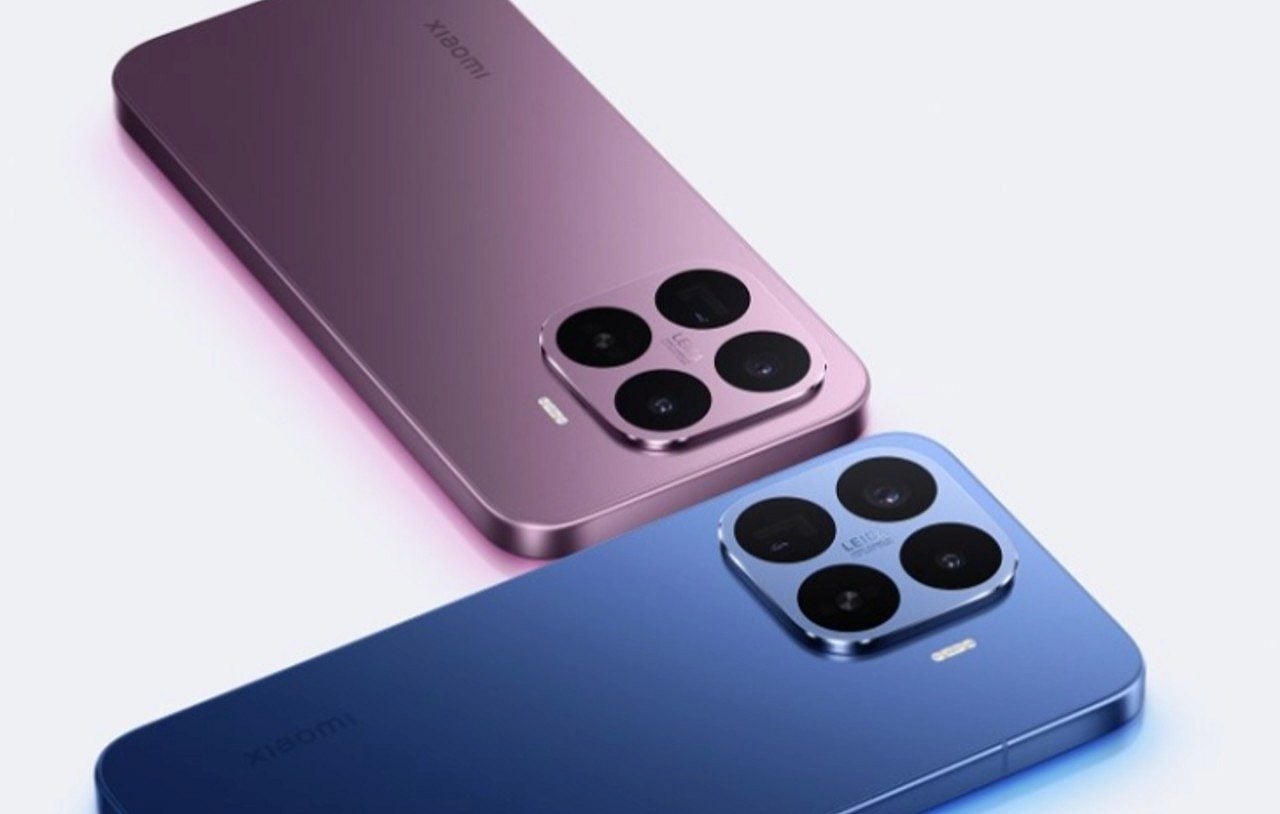
A profound overhaul of the way high-end cell phones are sold is in the Asian manufacturer’s plans. According to information circulating behind the scenes in technology, the company plans to bring forward the arrival of the Xiaomi 18 series to the international market and incorporate a suffix popularized by Apple devices. If the strategy comes to fruition, the brand will establish a new sales rhythm and change the way it interacts with the most demanding consumers.
The company’s historical schedule consisted of revealing its cutting-edge devices first in Chinese territory, and only shipping them to other continents between February and March of the following year. However, details shared by tipster Yogesh Brar on July 20, 2026 point to a break in this pattern. The objective of this maneuver is to place the brand in a prominent position during one of the most profitable commercial windows in the world.
New release window aims to boost year-end sales
Projections indicate that consumers in India will have access to the new devices in December 2026, cutting the usual waiting time by around sixty days. This anticipation puts products directly on the shelves during the commercial boom that involves Black Friday and Christmas festivities. By inserting its devices at this time of high transaction volume, the manufacturer is on a direct collision course with Samsung and Apple, which historically dominate the last quarter of the year with their recent launches.
Changing the distribution date goes beyond simply reorganizing the agenda, functioning as a commercial tactic to absorb the extra money that circulates in retail during the holidays. For the Chinese giant, the move means planting its flag in the luxury sector outside its country of origin, ensuring that the public sees its phones as desirable options as the segment leaders.
Goodbye to the Ultra version and adoption of terms established by the competition
The product portfolio must also undergo a drastic restructuring. Instead of maintaining the classic trio formed by the standard, Pro and Ultra editions, the company is considering introducing the Xiaomi 18, the Xiaomi 18 Pro and the new variant Xiaomi 18 Pro Max. The use of this last term directly mirrors the nomenclature that Apple has used since 2019 to designate the iPhones with the largest screens and batteries in the catalog.
Changing the “Ultra” label has the main purpose of making the catalog easier for buyers around the world to understand. By piggybacking on a commercial concept already validated by its American rival, the Asian company is trying to transfer the feeling of exclusivity and processing power to its own phones. The goal is to make anyone in a store immediately recognize that the “Pro Max” version delivers the maximum technology the brand has to offer.
Impacts of restructuring for technology buyers
Changing the dates and names on cell phones has immediate effects on the dynamics of the telecommunications sector. On the corporate side, the action tries to capture a larger share of customers willing to pay a lot for a smartphone, which increases the profit margin per unit sold — a metric in which Apple is the absolute leader. Differentiating the models more clearly helps to convince the user to invest in the most expensive version of the line.
Those at the end of the chain get a wider range of luxury gift alternatives at the end of the year, in addition to getting their hands on hardware innovations more quickly. Using names standardized by the market also reduces confusion when comparing technical data sheets in store windows. It remains to be seen, however, whether the change in baptisms will be accompanied by real leaps in design and photographic quality, factors that really justify the price charged.
Reduced batches mark the beginning of operations abroad
Unofficial data also indicates that the most robust edition of the family will not flood stores on the first day. The initial stock is expected to be manufactured in contained volume, focusing primarily on the debut within Indian territory.
Acting with the handbrake on acts as a practical laboratory, giving management a chance to gauge public acceptance before compromising the global supply chain. By avoiding mass shipping of a device with a new name, the corporation reduces losses if reception is cold and gains time to adjust distribution logistics for the rest of the world.
Industry expectations and corporate silence about leaks
The current scenario is built entirely on behind-the-scenes information, without any public endorsement from the manufacturer. Even if the data source has a respectable track record of success in the mobile industry, internal planning may undergo twists and turns, changing specifications, nomenclatures or even canceling the launch of the most expensive variant before the announcement.
The electronics segment operates at a fast pace and commercial routes are constantly recalculated. To date, the company’s management maintains its strict policy of not commenting on internet speculation. The veracity of all structural changes will only be proven when executives take the stage at the brand’s next global event.
Summary of changes projected for the next generation of cell phones:
- Arrival of devices on the international market advanced to December 2026.
- End of use of the word “Ultra” to designate the most advanced model.
- Restructured catalog with standard, Pro and Pro Max versions.
- Focus on stealing customers during year-end promotions.
- Attempt to generate immediate identification with the public with high purchasing power.
- Stock of the more expensive version severely limited in the first few weeks.
- Clear mirroring of the business model used by Apple.
- Data based on unofficial sources, depending on corporate announcement.
- Brand repositioning to attract users from other platforms.
- Possible increase in profit margin per device sold.



