Expedition reveals Mayan ruins of Minanbé preserved in isolated region of Mexico


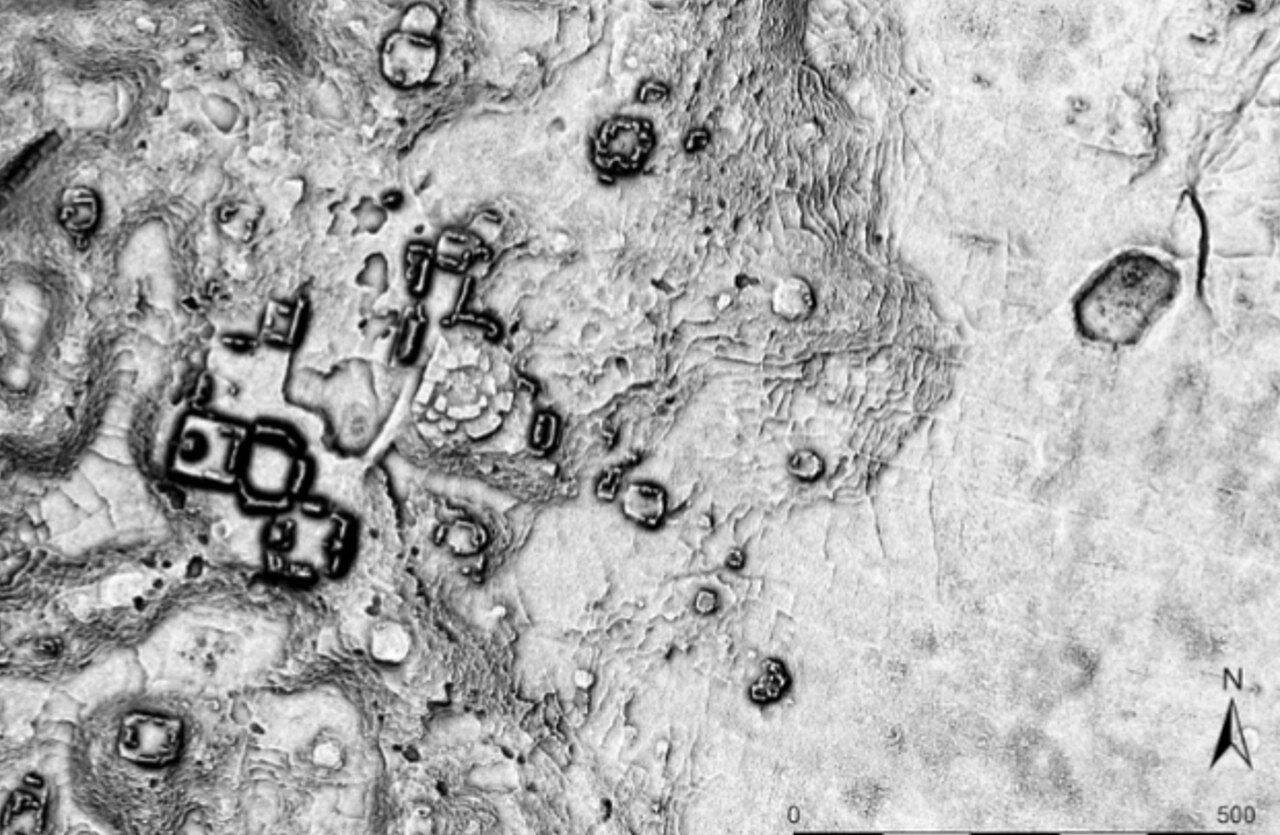
For centuries, the ruins of an ancient Mayan site called Minanbé, meaning “there is no path”, remained hidden by swamps and hills. In a forest so dense that not even logging trails approached, the site remained untouched, as revealed on July 1, 2026.
Archaeologists noticed the first signs of the presence of these structures in aerial scans of the Yucatán Peninsula in Mexico, but the only way to confirm the discovery was through an in-person expedition.
To reach the site, researchers followed an old forest road and made way for all-terrain vehicles (ATVs). However, the vegetation became impenetrable even for these vehicles, forcing the team to continue on foot, with machetes and muddy boots, for more than three miles until reaching the ruins.
At the site, the team found altars, stelae, squares, terraces and several Mayan structures, including a pyramidal temple more than 12 meters high and in an excellent state of conservation. One of the monuments featured a detailed relief of a beheading scene, accompanied by a calendar sign for the year 849 AD, while another recorded a date from the end of the 7th century AD.
These finds indicate that the ruins date back to the centuries before the mass abandonment of large Mayan sites in the region.
“The big surprise was the number of monuments found,” said Ivan Sprajc, the team’s lead archaeologist. He added that the discovery represents “a kind of row of monuments”, something “incredible for a relatively small site”. The work led by Sprajc was publicized by Mexican authorities.