Low level of the Tigris River exposes riches of ancient cities and artifacts in the Middle East
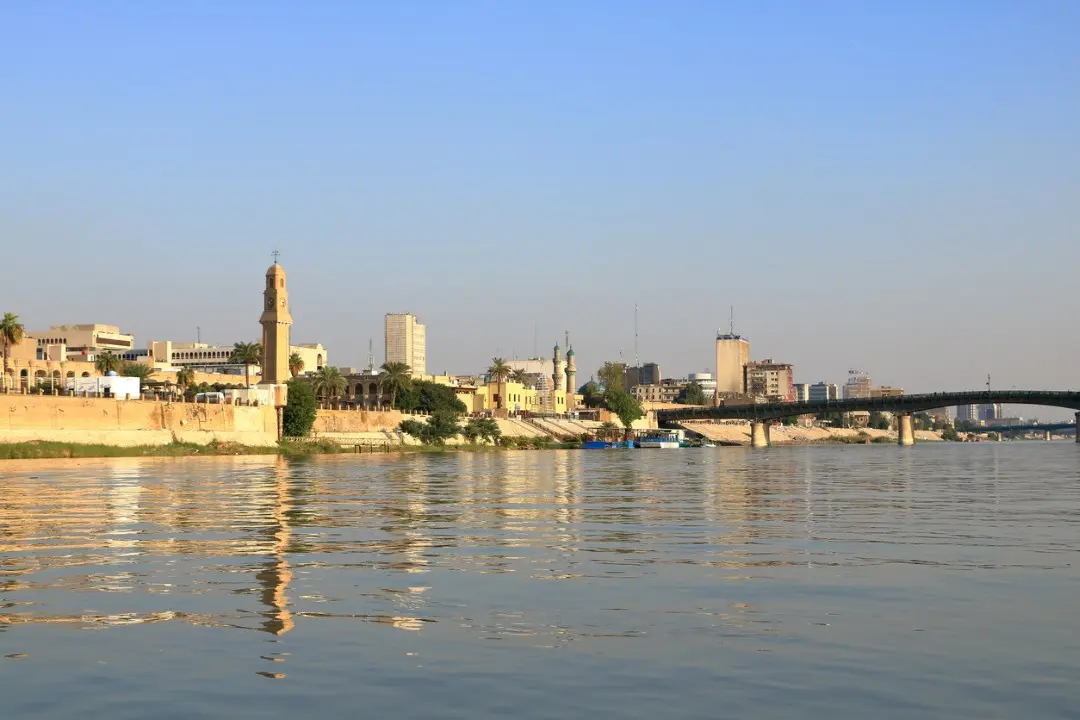
The retreat of the waters of the Tigris River has revealed a surprising panorama of historical discoveries in the Middle East. Due to a prolonged drought and increased demand for water in the region, the decrease in water volume exposed ancient cities and a variety of artifacts that remained submerged for centuries. Archeology teams have been working in the area, bringing to light ancient buildings, pieces of pottery and valuable cuneiform tablets.
A cradle of civilizations revealed by scarcity
The Tigris River region, along with the Euphrates River, is historically known as Mesopotamia, the “cradle of civilization.” This area was the stage for the development of some of the oldest and most influential human societies, such as the Sumerians, Akkadians and Babylonians. What now emerges from the waters offers a deeper understanding of how these cultures settled, lived and interacted with the river environment that supported them.
What the decrease in river volume exposed
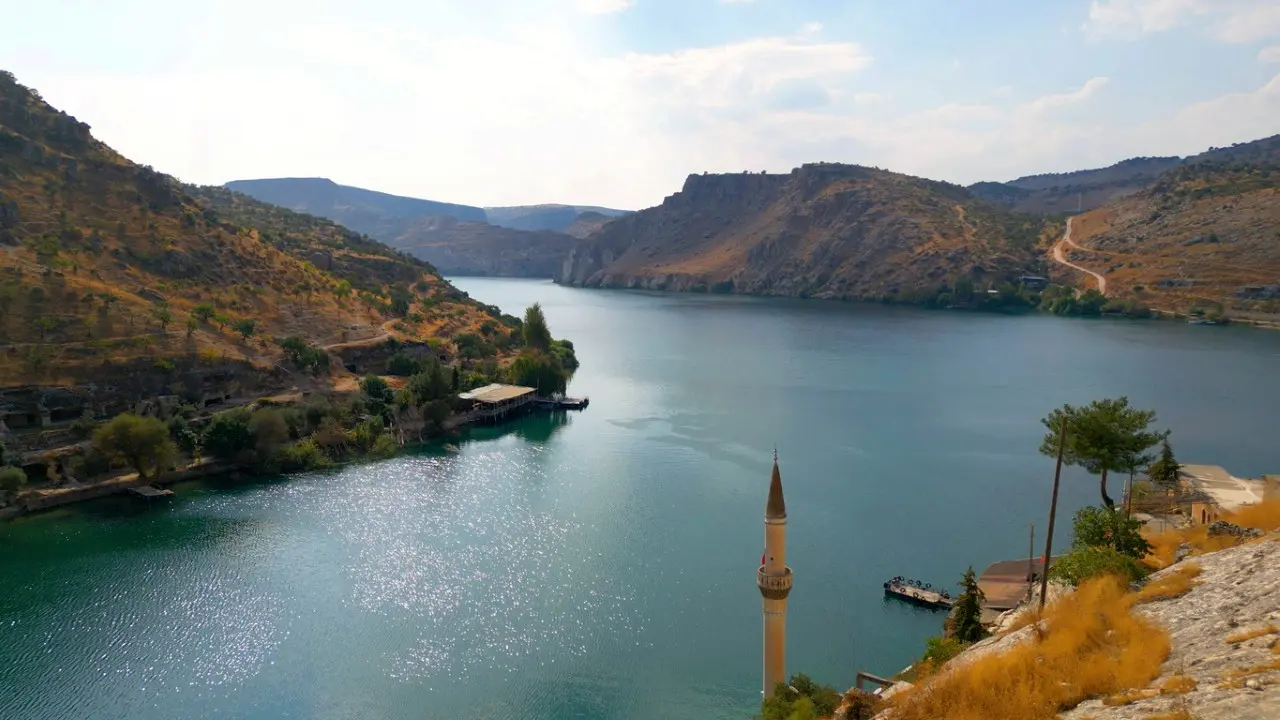
As the waters receded, archaeologists found complex structures of ancient cities. Discoveries include building foundations, walls, and even entire neighborhoods that were once hidden beneath the river’s surface. In addition to the buildings, numerous everyday objects were located, such as utensils, jewelry and tools, which paint a more detailed picture of the daily life of these remote people.
Learn more: Researchers identify doctor in Pompeii through his surgical instruments
The importance of tablets with cuneiform writing
Among the most significant finds are the cuneiform tablets. This writing system, one of the oldest in the world, was engraved in clay and offers invaluable records of the administration, laws, commerce, literature and religion of Mesopotamian civilizations. Deciphering these tablets allows historians and linguists to reconstruct crucial aspects of humanity’s history and cultural evolution, providing insights into how society and knowledge were organized.
See Also

Munich: Boeing 787 Vietnam Airlines scrapes its tail on takeoff and makes an emergency landing after taking off off the runway

Advance of Cyclone Lala paralyzes airports and raises alert in Hawaii
Hurricane Lala arrives in Hawaii with winds of 120 km/h and closes airports
On the same topic: Research reveals 5,000-year-old structure in England with possible link to Stonehenge
Challenges and opportunities for archaeological research
Although the drought is a worrying phenomenon, it has opened a rare window into archeology. Research teams now face the challenge of cataloguing, studying and, ideally, preserving these sites before the waters can return and submerge them again, or exposure deteriorates them. This race against time requires resources and international collaboration to ensure that these historical treasures are properly protected and investigated, contributing to global cultural heritage.
The legacy of findings for human understanding
The secrets revealed by the Tigris River are a testament to the resilience and innovation of ancient civilizations. Each artifact and newly discovered city ruin are crucial pieces in a puzzle that helps humanity understand its own origins and the path it has taken over millennia. Ongoing studies promise to significantly expand our knowledge of the history of civilization in the Middle East, impacting archaeological and historical research for decades.