
New cell phones from the Pixel 11 line arrive in August with higher prices

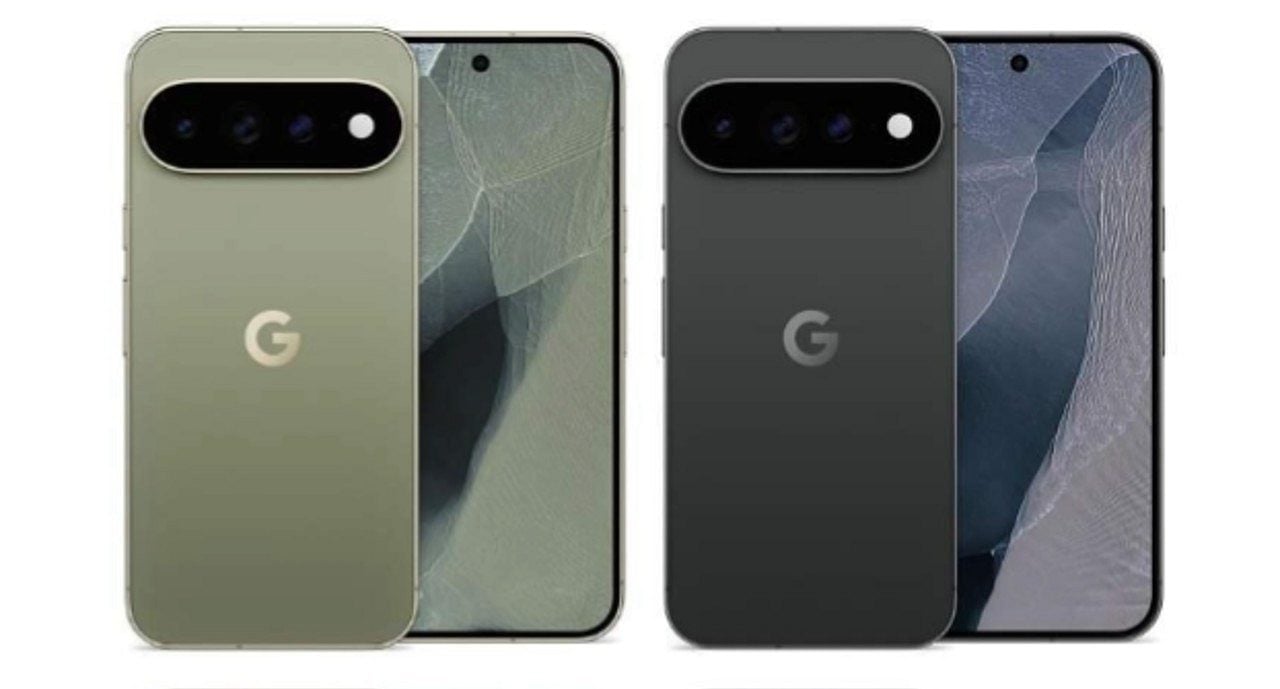
The search giant confirmed the holding of its traditional annual hardware conference for August 12th, based in New York City. The promotional material distributed to the press focuses on silhouettes and contours that deliver the main attraction of the night: the company’s next generation of smartphones. Unlike previous editions, the official program will take place at night, with the presentations scheduled to begin at 6pm in the East Coast time zone of the United States. The economic scenario of the technology sector in 2026, heavily pressured by the race for advanced components, indicates that consumers will find considerably heavier billing labels on the shelves.
The end of reduced storage and new market demands
The North American manufacturer’s assembly lines underwent a profound restructuring in relation to technical input specifications. The 128GB capacity, present in the previous year’s models, was definitively discarded from the catalogue. The decision reflects a change in consumer behavior, who currently retains the same device for longer periods, accumulating a massive volume of high-resolution photographs and heavy applications. With the requirement for local processing for advanced tools, internal space has become a critical resource for the smooth functioning of the operating system.
Therefore, the minimum configuration for any device in the new family will be 256GB. The exclusion of the simplest variant eliminates the financial gateway that many users used to access the brand’s premium ecosystem. Supply chain experts point out that the need for faster, denser memory modules capable of handling the simultaneous reading of large packets of data has forced this standardization in the high-end industry.
Leaked values show the weight of artificial intelligence on costs
The global shortage of specific semiconductors for neural processing reached its peak this year, directly affecting the cost of manufacturing the equipment. Preliminary information from European distributors reveals that the base model will cost 999 euros, while the Pro version will start sales for 1,199 euros. Although these numbers are identical to those charged by the 256GB versions of the previous generation, the absence of the 128GB model creates a practical increase in the minimum purchase price for the end customer.
The North American market will also feel the impact of this portfolio adjustment. The historical conversion practiced by the company suggests a general increase in prices across the entire product line, reflecting the high investments in server infrastructure and algorithm research that technology companies needed to transfer to their physical hardware.
Retail projections for the United States establish the following launch levels:
- Standard edition: US$899 (an increase of one hundred dollars compared to the predecessor).
- Pro Edition: $1,099 for the starter package.
- Pro XL Edition: US$1,299, focused on audiences who demand larger screens.
- Pro Fold Edition: US$1,899 for the foldable format, remaining slightly below Samsung’s direct competitors.
Discreet visual changes and the arrival of new light indicators
The industrial design department opted for a conservative approach to the phones’ external structure. The promotional images confirm the maintenance of the horizontal block of cameras, a visual signature that the brand has consolidated in recent years. The most noticeable physical changes are concentrated in the Pro variants and the folding model, which have undergone an internal refinement process resulting in millimetrically thinner chassis, improving ergonomics during prolonged use.
The most notable aesthetic innovation is an unprecedented lighting system built into the rear panel. Internally called “Pixel Glow”, the feature uses LEDs integrated into the glass to provide visual alerts about notifications, battery level and virtual assistant status. The functionality brings back the usefulness of old notification lights, but with a modern execution that integrates with the premium finish of the frosted glass.
Processor transition in the brand’s smart watches
The event in New York will also serve as the stage for the unveiling of the Pixel Watch 5. The wearable accessory will maintain its circular identity with curved glass on the edges, without drastic changes to its external shape. The strategy of offering different case sizes, including the recently introduced popular 45mm version, will continue to be the standard to suit different wrist profiles.
The real watch revolution will occur in its internal components. The manufacturer decided to abandon the processors supplied by Qualcomm in favor of a custom Tensor chip, designed by its own engineering team. The change aims to unify the processing architecture between the brand’s cell phones and accessories, allowing faster and more efficient communication between devices.
Implementing proprietary silicon in such a small device brings complex heat dissipation and power management challenges. The company’s engineering needs to ensure that the new component delivers the performance necessary to run health applications and continuous monitoring, without sacrificing battery life, a decisive factor in the acceptance of smart watches in the current market.



