
Tim Cook exposes secret prototypes of the first iPhone and iPod to celebrate Apple’s 50th anniversary

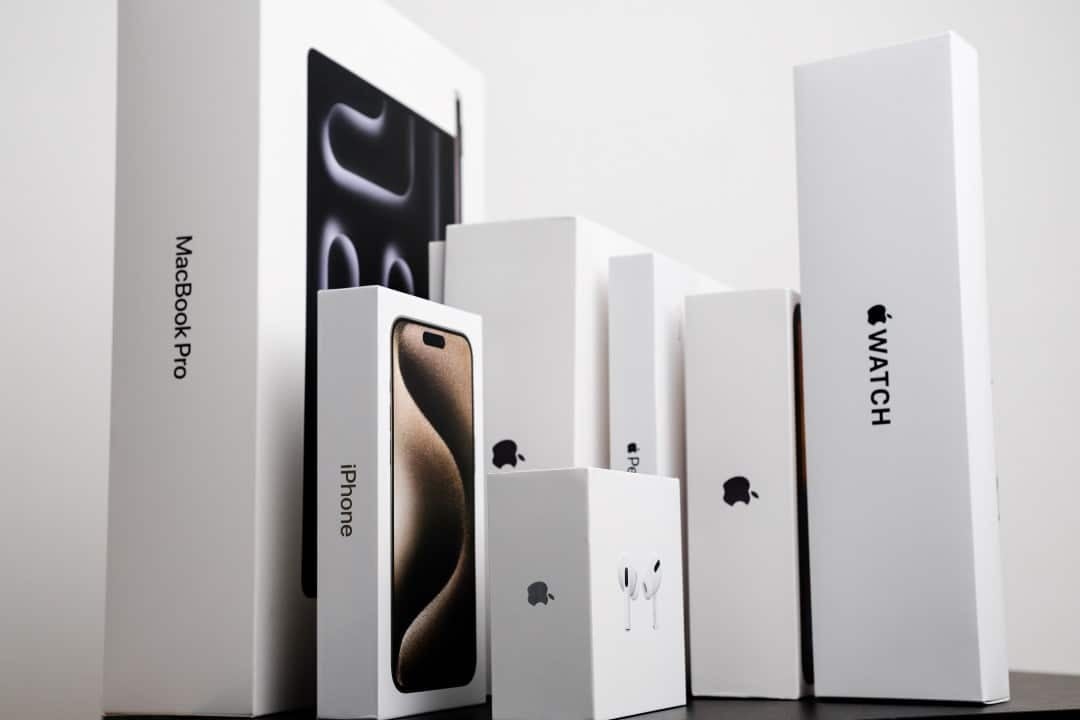
Apple CEO Tim Cook provided a rare behind-the-scenes glimpse at the tech giant during a recent press event. Opening access to the storage complex revealed never-before-seen test pieces that shaped the brand’s history. This milestone celebrates the fiftieth anniversary of the manufacturer’s founding, providing the public with an in-depth technical perspective on the creation of devices that transformed the global electronics market.
The exhibition displayed everything from the first drafts of patents to raw components for initial assembly. The collection ranged from the company’s pioneering desktop computers to the mobile devices that dominate today’s storefronts. This rare transparency about confidential files allowed journalists and industry experts to understand the reverse engineering and complex manufacturing methods that revolutionized mobile communication.
The items on display carry immense historical weight for computer engineering, highlighting gigantic circuit boards and temporary casings. These industrial skeletons detail exactly how the transition from a theoretical concept to mass production happens. Each artifact serves as a physical diary of the design choices that have guided the Californian company’s successful trajectory over the past five decades.
Founding documents and the company’s first steps in the garage
Walking through the collection’s corridors brought to light projects that the general public never imagined existed. The starting point of the visit focused on preserving the legal records that guaranteed the intellectual rights of the brand. The big highlight was the original patent for the Apple II, designed in the late 1970s by founders Steve Jobs and Steve Wozniak, a document that laid the financial and structural basis for everything the manufacturer would build.
These yellowed papers share space with pieces of hardware that illustrate the evolution of the company’s electronic miniaturization. The rigorous recording of each test step proves the internal culture of exhaustion, where dozens of iterations are made before any final approval. Maintaining this physical inventory goes far beyond creating a corporate museum; it is a vital source of reference for current software and hardware engineers in the house.
The pocket music revolution with the development of the audio player
One of the big stars of the exhibition was the initial prototype of the iPod, dating back to 2001. The rudimentary device featured an exposed plate that would later become the iconic click wheel, the interface that allowed you to easily scroll through endless lists of songs. This piece revived the memory of a time dominated by physical media and CD players, which drastically limited the number of tracks a user could carry with them.
Bringing this specific player to market required a complete restructuring of the manufacturer’s supply chain. The promise of keeping thousands of digital files in your pocket generated unprecedented production demand in the industry. Partner factories had to hastily adapt their assembly lines to guarantee the delivery of colossal volumes in short periods, which ended up setting a new standard for international logistics.
The test models kept in the safe show that the initial dimensions of the project were much larger than the version that reached stores. Shrinking the internal hard drives and optimizing battery consumption were barriers that the engineering team had to gradually overcome. This ongoing effort consolidated the brand’s dominance in the digital entertainment sector and set the stage for the launches that would follow.
Giant circuit boards reveal the behind-the-scenes behind the creation of the first smart cell phone
The test board for the first generation of the iPhone, developed between 2006 and 2007, illustrated the company’s definitive turn towards the mobile phone market. With exaggerated dimensions that resemble a meat cutting board, the component was far from the compact format of the final cell phone. This immense structure was used exclusively to test communication between processors, wireless antennas and the touch screen’s response.
The adoption of this supersized motherboard allowed programmers to create the operating system at the same time as the hardware took shape. This parallel working method sped up the build cycle, ensuring that critical applications ran smoothly even before the chips were miniaturized. The raw equipment had exposed connectors and diagnostic ports that made it easy to immediately identify faults in the code.
Daring with a completely touch-based interface required unprecedented processing power for portable devices at the time. The giant card gave the team the freedom to test page scrolling and pinch-to-zoom without worrying about a small chassis overheating. Only after the software was completely stabilized was the component squeezed to fit into the consumer’s pocket.
The exhibition of this piece of technological manufacturing broke the mysticism about how ideas come from the laboratory to the real world. The brand’s first step towards smart phones demonstrated a thorough process of reverse engineering. The stark contrast between the clunky original artifact and the refined design that hit the shelves highlighted the company’s impressive systems integration capabilities.
The last-minute exchange of materials that saved the launch of the device
During the internal testing phase of the original smartphone, executives and engineers used functional prototypes on a daily basis to hunt for usability flaws. It was during this critical period that the screen’s plastic covering revealed serious durability problems. Keys and coins in users’ pockets constantly scratched the surface, impairing vision and touch sensitivity. This realization forced management to make a drastic decision just weeks before mass production began, requiring a complete change of materials.
The solution found was to immediately migrate to scratch-resistant glass, establishing a historic partnership to supply Gorilla Glass, a technology still little explored in mobile telephony. The last-minute change required intense negotiations with suppliers and urgent adjustments to the machinery in Asian factories. The then executive director described this late maneuver as a highly complex operation that saved the product from an imminent commercial disaster. The adoption of glass not only resolved scratches, but set a new standard of premium quality that was quickly copied by competitors.
The foray into the healthcare market with the development of smart watches
In addition to the devices that redefined mobile computing, the historical collection also included the company’s exploration phase in the health and well-being sector. The records revealed the first components of the brand’s smartwatches, including test bracelets and unfinished biometric sensors. One of the most prominent items was the initial prototype used by executives during rehearsals for the public presentation. The detailed introduction of these accompanying documents highlighted the extensive calibration research required to ensure accurate heart rate readings across different skin tones and pulse sizes.
The development of these wearable accessories materialized the manufacturer’s strategy of creating a closed ecosystem, where each new item complements the functions of the main phone. The preservation of these specific parts explains how the company transformed technologies previously restricted to clinical monitoring into everyday consumer goods, which required the miniaturization of sensors and years of searching for energy efficiency.
The practical value of maintaining a physical archive for future generations of engineers
Maintaining a physical archive as detailed as the one implemented by Apple goes far beyond simple corporate nostalgia. Newly hired engineers use this collection to understand past architectural decisions and avoid repeating mistakes on ongoing projects. Rigorously cataloging every circuit board, housing and patent document ensures that future generations of the company’s developers have access to decades of accumulated technical knowledge.
The executive view on the evolution of technological innovation processes
Direct interaction with historical artifacts provoked a



