New Apple device rental service hits the American market
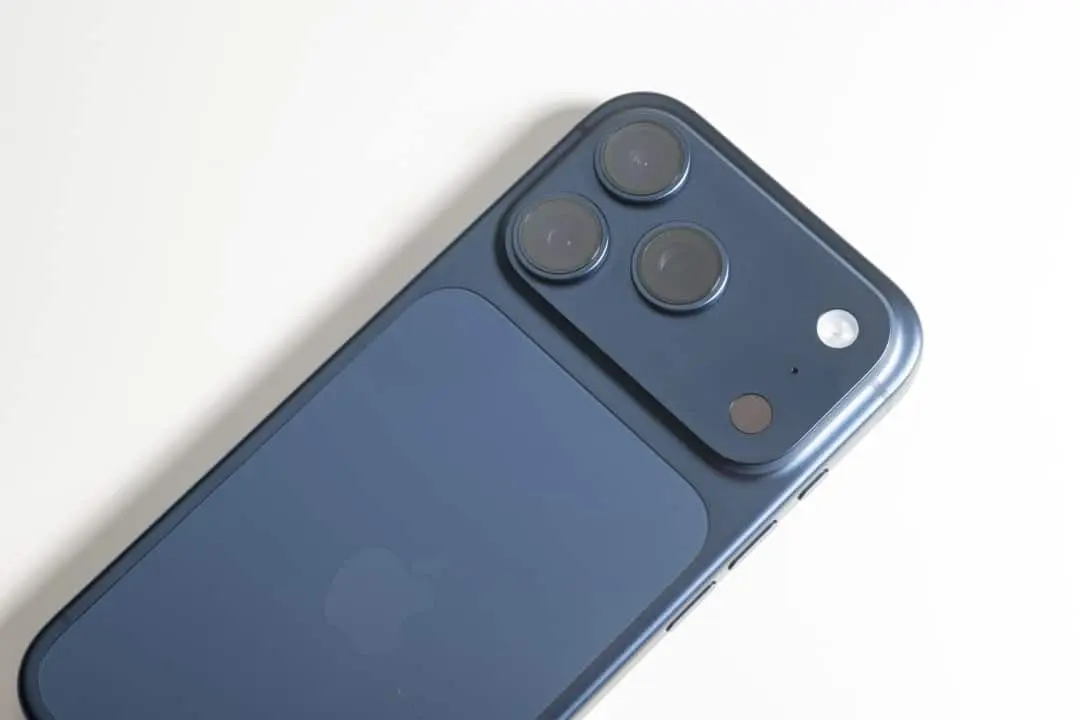
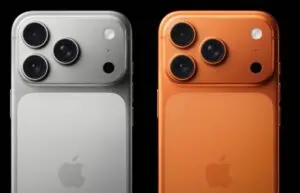
The Cupertino giant is preparing the ground to announce, in the coming days, an unprecedented type of consumption for its hardware ecosystem. Commercially called “Apple Upgrade”, the monthly subscription format will encompass the temporary acquisition of the brand’s iPhones, iPads, Mac computers and smart watches. This transition from the traditional ownership model to the service format reflects a growing trend in the technology sector, seeking to build consumer loyalty through recurring payments. For the company, this represents an opportunity to transform one-off sales into a source of continuous and predictable revenue, something highly valued by investors in the financial market.
Strategic partnership to enable electronics rental
To get the project off the ground and guarantee the charging infrastructure, the manufacturer signed an operational agreement with the financial institution Klarna Group Plc, a global giant specializing in installment payments and the facilitated credit model. In this first phase of practical testing, the new product will be restricted to the United States, serving as a gigantic commercial thermometer for possible global expansion in the coming years. American consumers will be able to join the plan in a hybrid way, either by visiting the company’s famous physical stores, with the help of experts, or by accessing the official e-commerce platform independently.
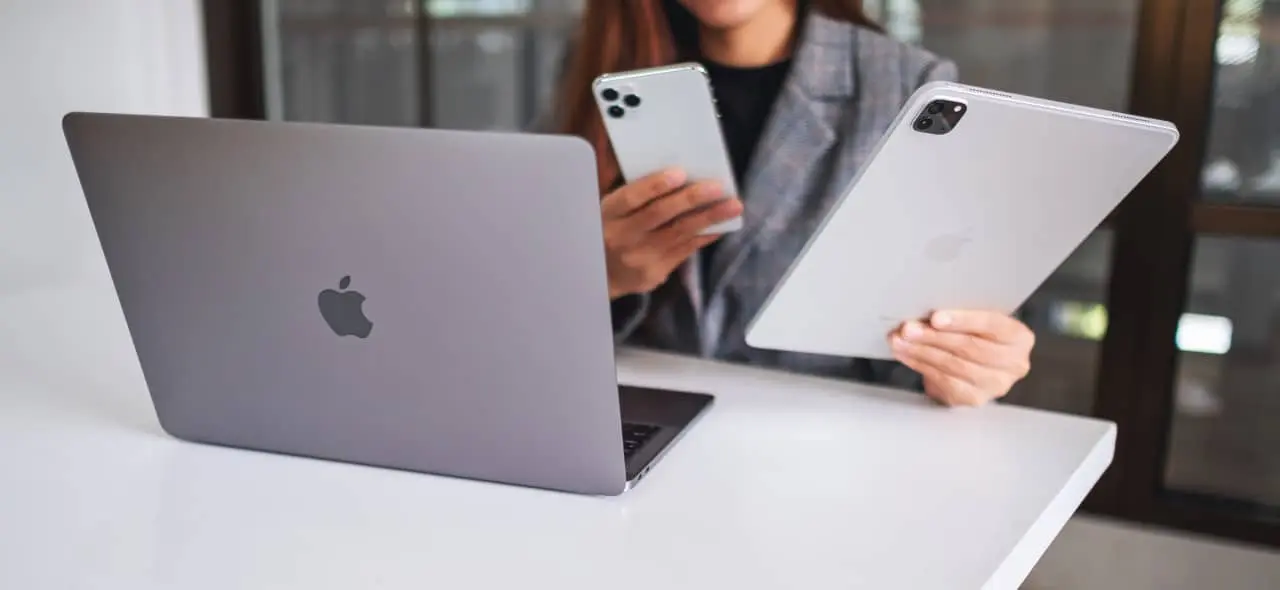
Learn more: Apple prepares to launch iPhone and Mac rental service in the United States
The mechanics of the system are very reminiscent of automotive leasing contracts, guaranteeing great room for maneuver for customers who like to always have cutting-edge technology in their hands. During the term of the agreement, the user gains the freedom to pay off the outstanding balance in advance, exchange the equipment for a newer generation as soon as it is launched, or simply purchase the device outright when the term expires. However, experts in the retail sector warn that the terms of use must provide for the charging of severe additional fees if the device suffers physical damage, deep scratches or the customer breaks specific clauses in the conservation contract.
Loyalty deadlines and rules for credit approval
The length of stay in the program varies depending on the product category chosen by the consumer, respecting the natural update cycle of each electronic device. Smartphones and smartwatches, which tend to receive more noticeable annual innovations, will require a commitment of 24 months of payments. On the other hand, tablets and desktop or portable computers, which have a considerably longer useful life in the hands of users, will have contracts extended to 36 months. As this is a risky financial operation involving high-value goods, releasing the hardware requires a rigorous prior credit analysis, ensuring that the renter is able to pay the monthly payments until the item is returned.
See Also

Learn how to identify intrusions on WhatsApp and avoid financial fraud

PlayStation 5 owners gain lifetime access to three great games

Russian Islam Makhachev dominates Ian Machado Garry and wins main fight at UFC 330
End of old financing and focus on the new monthly fee
The great attraction of this venture for the end consumer is the promise of offering considerably smaller installments than those practiced in traditional methods of purchasing in installments with interest. Market sources point out that the company plans to discontinue the brand’s current cell phone exchange program, in addition to gradually eliminating other conventional credit lines offered at retail. This aggressive maneuver aims to focus all marketing and sales efforts exclusively on the new rental format, simplifying the brand’s financial services portfolio and forcing a change of habit in the loyal customer base.
On the same topic: New Apple Upgrade service allows you to rent iPhone and Mac in the United States
Service limitations and devices that are left out
Despite the apparent financial facilities, the subscription package comes with some important restrictions compared to previous plans, requiring extra attention when signing the contract. The main absence is insurance coverage against accidental damage, which will not be included in the monthly fee, forcing the user to assume the risk of breakage or pay for a policy out of pocket. Furthermore, the focus of the project is clearly on high-margin premium devices, leaving out the corporate audience that buys in bulk, students who rely on educational discounts, and a specific list of devices.
- Apple Watch SE 3 smart watch, focused on cost-benefit and young audiences.
- iPad tablet equipped with the A16 Bionic processor, considered the entry-level model in the line.
- iPhone 16 smartphone in its base version, without advanced camera features.
- MacBook Neo laptop, aimed exclusively at basic tasks and browsing.
Impact of the chip crisis and the project’s history
Behind the scenes in Silicon Valley indicate that this subscription modality had been on the testing drawing board for several years, having suffered an alleged internal cancellation in the last months of 2024 due to logistical impasses. The recovery of the idea takes place in an extremely challenging economic scenario, where the manufacturer had to readjust the price list for its entire launch catalog. This widespread price increase was directly driven by the global DRAM 1 memory crisis, a vital component that has suffered severe shortages in Asian factories due to the explosion in demand for artificial intelligence servers around the world.