
Apple prepares arrival of iPhone 18 with A20 Pro chip and advanced camera

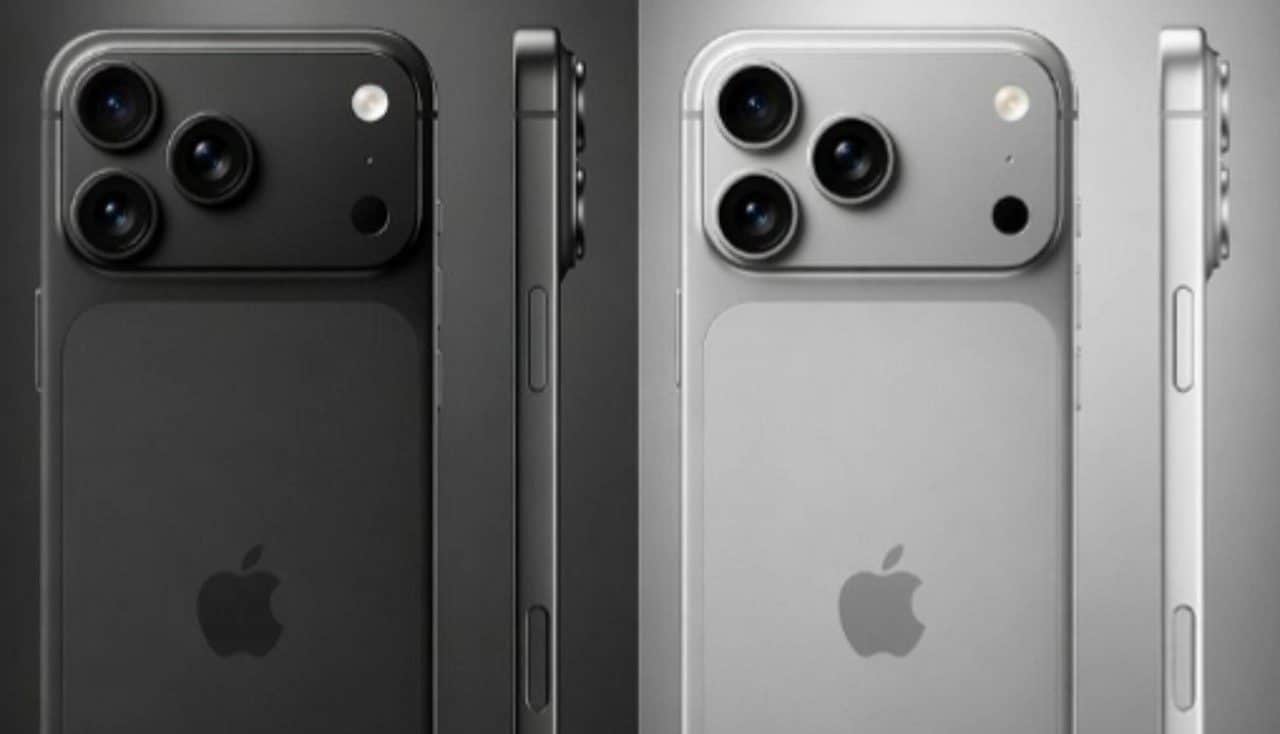
Consumers and technology market analysts are already turning their attention to Apple’s next generation of smartphones, driven by the proximity of the iPhone 18’s arrival in stores. The Cupertino giant usually mobilizes the entire mobile device industry when preparing an update to its main line, generating intense debates about which technologies will dictate the year’s trends.
The North American manufacturer’s calendar follows a strict pattern that allows it to predict the presentation window for the new device, even without an official invitation sent to the press. Observing the company’s strategic behavior over the last decade, it is clear that the month of September serves as the main stage for the global exhibition of its most important hardware.
An analysis of the brand’s history shows that the overwhelming majority of the company’s cell phone generations reached the public during the ninth month of the year, consolidating a strategic commercial window before the end-of-year festivities. The most recent example of this conduct occurred with the introduction of the iPhone 17 and its iPhone Air variant, whose revelations took place exactly on September 9, 2025.
The company’s portfolio could receive an unprecedented reinforcement this same season, as supply chain experts point to the possible introduction of the first foldable cell phone with the Apple logo. The development of this flexible format is being carried out under strict secrecy in the company’s laboratories, seeking to compete directly with consolidated models from Asian manufacturers that already dominate this specific niche.
The software base that will power this new generation of devices has already been known to the public since the last edition of the Worldwide Developers Conference (WWDC), held in June. The ecosystem gained a leap forward in neural processing with the announcement of iOS 27, which highlights the standalone Siri AI application, restructuring the classic voice assistant with advanced generative artificial intelligence models.
Apple’s presentation history reinforces the month of September as the main date
The corporate silence regarding the exact day of the event does not prevent the market from creating projections based on the manufacturer’s own database of official communications. A chronological survey of past conferences perfectly illustrates the company’s preference for concentrating its major announcements at the end of the third quarter, as detailed in the historical sequence below:
- iPhone 17: September 9, 2025
- iPhone 16: September 9, 2024
- iPhone 15: September 12, 2023
- iPhone 14: September 7, 2022
- iPhone 13: September 14, 2021
- iPhone 12: October 13, 2020
- iPhone 11: September 10, 2019
- iPhone X and iPhone 8: September 12, 2017
- iPhone 7: September 7, 2016
- iPhone 6: September 9, 2014
- iPhone 5: September 12, 2012
- iPhone 4: June 7, 2010
- iPhone 3G: June 9, 2008
- iPhone: January 9, 2007
Industrial leaks reveal changes in the processor and photographic set
No technical data sheet circulated through the brand’s official channels until the penultimate week of July, maintaining the mystery about the real capabilities of the new hardware. The absence of confirmations, however, opened space for sources linked to assembly lines in Asia to begin leaking structural drawings and preliminary specifications of the equipment.
Vehicles dedicated to covering the apple ecosystem, including the 9to5Mac and MacRumors portals, report that the main internal evolution will be due to the A20 Pro processor, designed to deliver significant leaps in energy efficiency through reduced lithography. The camera module must incorporate a variable aperture system, providing amateur photographers with a physical adjustment of depth of field similar to that of professional lenses. The device’s chassis tends to be slightly thicker to accommodate higher density battery cells, while the color palette will gain the unprecedented Dark Cherry option, a dark cherry tone that aims to visually differentiate the new generation from previous models.





