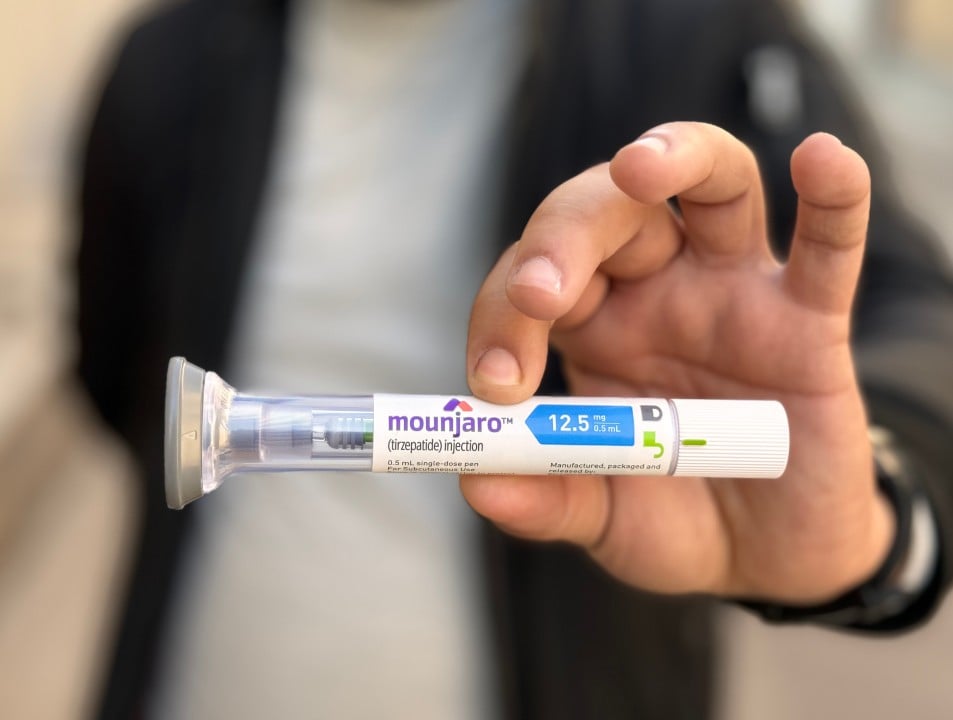
Tirzepatide, sold as Mounjaro, changed the landscape of obesity treatment in Brazil about a year ago, when it arrived in pharmacies. This new therapeutic option allowed doctors and patients to access a method that has shown weight reductions of more than 20% in clinical trials, a level never before seen among drugs approved for this condition.
Mounjaro goes beyond being just a recent medicine; he inaugurated a distinct stage in the field of endocrinology. Now, the priority expands beyond simple weight loss to comprehensive protection of patients’ metabolic health.
How the approach to obesity has transformed with new medicines
In June 2025, when tirzepatide became available in Brazil, the topic quickly gained prominence in the medical world. In a short period, it impacted the routine of clinics, increased general interest in the treatment of obesity and consolidated an evolution that had already been driven by other GLP-1 receptor agonists.
One year after its introduction to the Brazilian market, it is clear that Mounjaro’s main legacy may not just be the significant weight reduction. The true contribution lies in the profound paradigm shift he brought to the management of the disease.
For a long period, the effectiveness of treatments was assessed almost solely by the amount of weight lost. Currently, this perspective has expanded considerably. Obesity is now understood as a chronic disease, with multiple causes and high complexity, being linked to conditions such as type 2 diabetes, cardiovascular diseases, obstructive sleep apnea, steatotic liver disease associated with metabolic dysfunction (MASLD), osteoarthritis and various forms of cancer.
In the SURMOUNT-1 study, subjects receiving 15 mg of tirzepatide showed an average decrease of 20.9% in body weight over 72 weeks. Furthermore, 57% of participants achieved a loss of at least 20% of their starting weight. These results were complemented by better control of blood glucose, blood pressure, lipid profile and other cardiometabolic indicators.
Even more relevant, tirzepatide allowed the focus of treatment to move away from the scale as the only metric.
Currently, discussions address reducing visceral fat, maintaining muscle mass, improving body composition, preventing complications, reducing cardiovascular risk and increasing quality of life. This represents a substantial transformation in the perception of obesity.
The treatment market adapted quickly
The effect of tirzepatide was also noticed beyond doctors’ offices. The demand for therapies increased, new clinical protocols began to include these treatments, and the pharmaceutical sector intensified research and development of more effective molecules.
Simultaneously, the public debate on the topic evolved. Topics such as obesity, metabolic health, body composition, diet and physical exercise have been incorporated into the daily lives of millions of people in Brazil. This movement helped to reduce the prejudice associated with the disease and reinforce that it requires continuous monitoring.
Future perspectives in the field of endocrinology
Although tirzepatide has ushered in a new generation of medicines, it is unlikely to be the last major innovation in this field.
Currently, retatrutide, a triple agonist of GLP-1, GIP and glucagon receptors, is the molecule that generates the most expectations. In a phase 2 study, data from which were released, a 12 mg dose resulted in an average reduction of 24.2% in body weight over 48 weeks, with the weight loss curve still rising at the end of the study. Recent data from phase 3 research confirms this potential, with weight losses of over 20% in different populations studied.
Other options are in development, including berobenatide, a long-acting berberine for monthly dosing; UBT251, which also works with triple agonism; associations between GLP-1 agonists and amylin, such as CagriSema; and new oral medications, such as orforglipron, which may facilitate access to treatment for those who do not want injections.
Although several of these treatments are still in the clinical stages of development, they indicate that endocrinology is experiencing one of the greatest moments of innovation in its history.
Possibly the most relevant lesson from Mounjaro’s first year in Brazil is that obesity therapy now transcends the exclusive search for greater weight reduction.
The current purpose focuses on promoting superior quality weight loss, which includes the preservation of muscle mass, the reduction of visceral fat, the control of comorbidities and the improvement of both life expectancy and quality of life.
In addition to a competition to create more potent drugs, we can see the formation of a therapeutic arsenal capable of providing increasingly individualized treatments.