
Samsung’s strategy for the Galaxy S27 Ultra prioritizes slim design over giant batteries

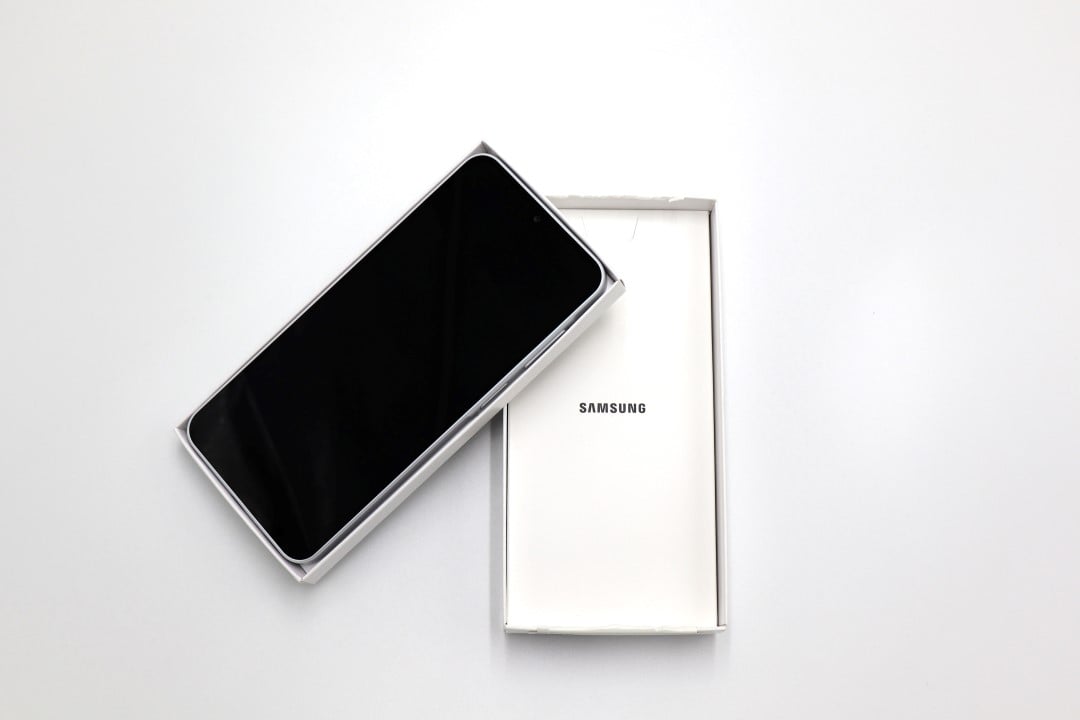
The global mobile device market is closely following rumors about the South Korean giant’s next major launch, expected to update the premium segment. Recent behind-the-scenes information indicates that the long-awaited Galaxy S27 Ultra will feature a power component based on silicon and carbon, divided into two independent cells. The expectation is that the piece will deliver a total charge volume ranging between 5,200 mAh and 5,500 mAh. This number, however, generates heated debates among technology enthusiasts, since competing Asian manufacturers have already surpassed the 6,000 mAh barrier, even flirting with an impressive 7,000 mAh in their most recent models.
The chemical revolution in energy components and the impact on cell phones
The transition from traditional graphite anodes to composites that mix silicon and carbon represents one of the biggest leaps in hardware engineering in recent years. Silicon has the ability to retain much more lithium ions, which drastically increases the energy density of the component. However, it tends to expand during charging, and the addition of carbon serves precisely to stabilize this structure, allowing the cells to store more charge while occupying a significantly smaller physical space inside the device’s housing.
This structural change is not exactly new in the Asian brand’s laboratories. The company has already implemented this same chemical architecture in the recent line of foldable devices, specifically in the Galaxy Z Fold 8 model. The success of this initial venture gave the green light for the Samsung SDI division, responsible for the conglomerate’s energy development, to accelerate practical tests to bring the innovation to the company’s main family of smartphones next year.
The weight of the past and the choice for the path of extreme security
When we look at the current scenario, where Chinese brands are fighting a real war for superlative milliampere-hour numbers, the decision to keep the top of the line at around 5,500 mAh seems quite conservative. However, there is a deep historical context that justifies this stance adopted by engineers. In 2016, the industry witnessed the global recall of the Galaxy Note 7, a traumatic episode caused by flaws in the internal design of the batteries that resulted in overheating. Since that year, the corporation has completely overhauled its quality control protocols.
This ghost of the past shaped the brand’s current development philosophy. Instead of squeezing colossal capacities into restricted spaces just to win a marketing dispute, the manufacturer prefers to guarantee an unquestionable margin of safety. The priority has become thermal stability and user integrity, even if this means giving up the title of cell phone with the greatest gross autonomy in the international telecommunications market.
Focus on ergonomics and the promise of longevity of internal parts
A practical example of this mentality could be seen in the development of the Galaxy Z Flip 8. The manufacturer chose to maintain exactly the same load capacity as the previous generation, but used the new silicon-carbon density to fine-tune the profile of the foldable device. Everything indicates that the Galaxy S27 Ultra will follow this same design guide. The central objective is to deliver lighter, thinner and more comfortable equipment for daily use, countering the trend towards increasingly thicker and heavier devices.
To reassure the most demanding consumers, the company’s leadership has reinforced the rigor of laboratory evaluations. A high-ranking spokesperson recently confirmed that the new chemical architecture has been subjected to batteries of exhaustive stress tests. The executive assured that, despite being cutting-edge technology, the useful life of the component was not sacrificed. The recharge cycle count, which determines how long the part lasts before starting to degrade, remains identical to conventional lithium-ion options.
Leaked technical sheet points to very high-performance hardware
In addition to discussions about autonomy, the corridors of the technology industry are buzzing with details about the processing power and photographic capabilities of the future device. If the unofficial data is confirmed, the consumer will have a true pocket computer in their hands, equipped with the most advanced technology in the global supply chain. The supposed technical characteristics form an impressive set for the next generation:
- 6.9-inch Dynamic AMOLED 2X front panel, QHD+ resolution and LTPO technology, guaranteeing 120 Hz fluidity and a peak brightness of 2,600 nits.
- Snapdragon 8 Elite Gen 6 Pro for Galaxy processing unit, developed by Qualcomm exclusively for the brand.
- Random access memory in LPDDR6 standard, with 12 GB and 16 GB variants for advanced multitasking.
- File storage space using the fast UFS 5.0 standard, available in 256 GB, 512 GB and up to 1 TB versions.
- Front camera dedicated to selfies and video calls with a 16 megapixel sensor and f/2.2 lens aperture.
- Rear photographic set led by a 200 megapixel main lens, equipped with optical stabilization and f/1.9 aperture.
- 50-megapixel ultra-wide-angle secondary lens for capturing wide landscapes and group photos.
- 50 megapixel telephoto lens capable of bringing the image five times closer optically, without loss of visual quality.
- State-of-the-art connectivity package, including support for 5G networks, Wi-Fi 7, Bluetooth 6.0 and proximity communication.
- International IP68 certification, attesting to the chassis’ resistance against diving in fresh water and dust infiltration.
- 60W fast charging system to efficiently feed the energy tank.
- One UI 9.5 user interface running under the base Android 17 operating system.
The waiting period until the official announcement from the manufacturer
It is worth noting that the technological scenario is dynamic and all specifications listed derive from unofficial sources, known leakers and analyzes of the Asian production chain. The South Korean corporation has a strict history of confidentiality, shielding its most important projects until the moment executives take the stage at traditional global presentation events. None of this information has been publicly validated by the company to date.
Until launch invites are distributed, the smartphone project may still undergo engineering refinements or last-minute software tweaks. The financial market, technology analysts and consumers loyal to the brand continue to monitor every move, waiting to see how the company will balance the need for innovation with its non-negotiable structural security policy.





