

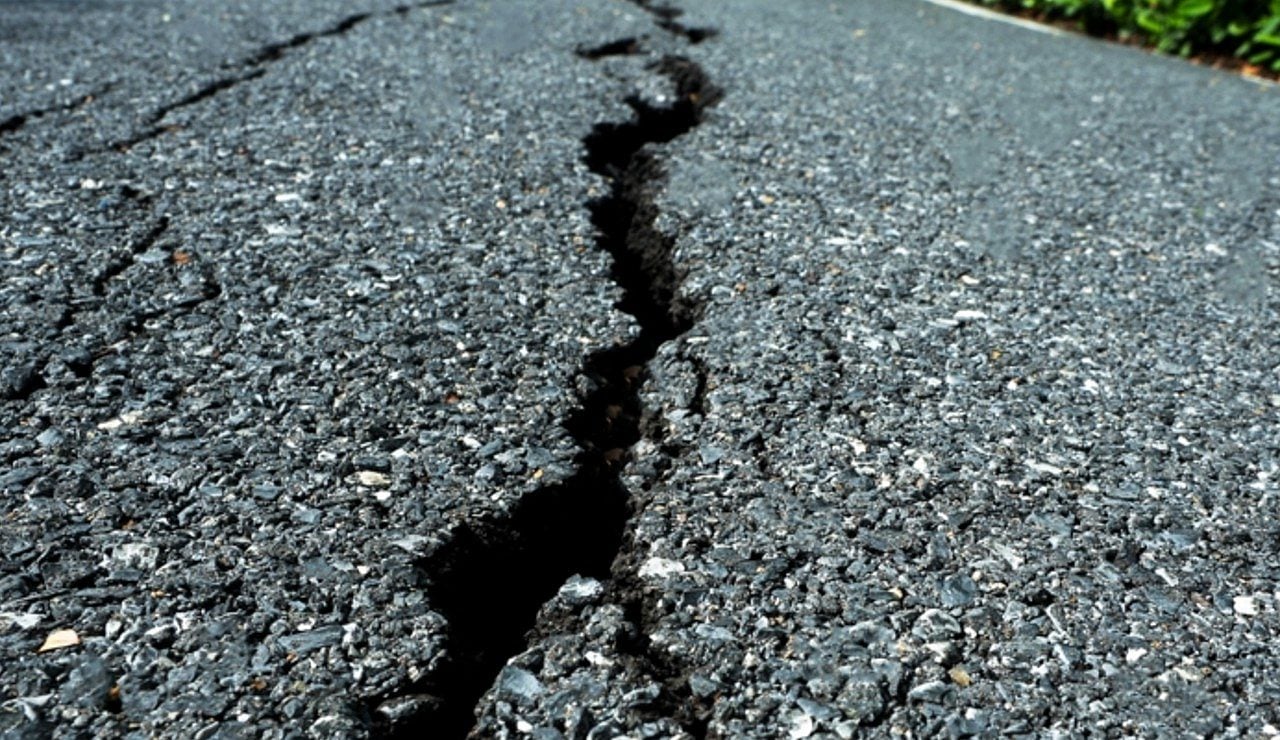
A strong 7.1 magnitude tremor shook the southern region of Japan on the afternoon of July 28, 2026, local time. The epicenter of the earthquake was recorded just 10 kilometers deep, generating concern in several areas, but authorities confirmed that there was no detection of a tsunami. Initial reports point to structural damage and a few dozen injuries in Kumamoto prefecture.
First impacts and initial destruction scenario
The earthquake caused the collapse of at least 12 homes, according to information from public broadcaster NHK. More than 50 people were taken to hospitals with varying levels of injuries. In addition to the properties, a freight train derailed and overturned at Yatsushiro station, and towers of an industrial plant fell, indicating the strength of the shake. Small fires were also reported in buildings, and historic walls of Kumamoto Castle suffered damage.
Tsunami warning issued and then canceled
Minutes after the main tremor, a tsunami warning was issued for the Ariake and Yatsushiro sea regions, causing concern among the coastal population. However, authorities reviewed the situation and the warning was quickly lifted, as there were no observations of anomalous waves resulting from the earthquake. Quick response and effective communication were crucial to managing the situation.
Government actions and warnings for the population
The Prime Minister of Japan, Sanae Takaichi, used her account on X (formerly Twitter) to inform about the creation of a government task force. The objective is to collect data, assess the extent of the damage and organize possible rescue operations. Takaichi asked people in the affected areas to pay extra attention to possible aftershocks in the coming days and to be careful with handling fire and fragments of broken glass.
Japan’s vulnerability in the Ring of Fire
Japan is located in one of the most seismically active regions on the planet, known as the Pacific Ring of Fire. This area is marked by the meeting of several tectonic plates, which results in practically constant tremors. This earthquake’s magnitude of 7.1 is classified as large, capable of causing significant loss of life and billions of dollars in damage. The country’s population and infrastructure are constantly prepared to face these natural events, which explains the speed of security assessments. In 2016, Kumamoto was hit by a devastating earthquake that left more than 50 people dead and thousands of properties damaged.
Nuclear Infrastructure and Security Assessment
Japanese authorities immediately implemented security protocols to assess the status of important facilities. Nearby nuclear power plants were inspected by the Japan Nuclear Regulatory Authority, which confirmed there were no abnormalities. In transportation, Shinkansen bullet trains and local trains in the Kyushu region have had their operations suspended for safety checks. Aso Kumamoto Airport also closed its runway, with no plans to reopen, while Japan’s Ministry of Defense sent aircraft to fly over the area and check the damage.
What is still unknown about the extent of the damage
While Japan’s Fire and Disaster Management Agency said there were no reports of major damage to critical public facilities, the full extent of damage to homes and smaller infrastructure is still being determined. Local fire departments received numerous calls reporting fires and damage to homes. The government’s top priority, according to Prime Minister Takaichi, is the safety of human lives, with new detailed information expected to emerge in the coming hours and days.





