
Microsoft releases update on Xbox Series X/S that anticipates the end of disc games

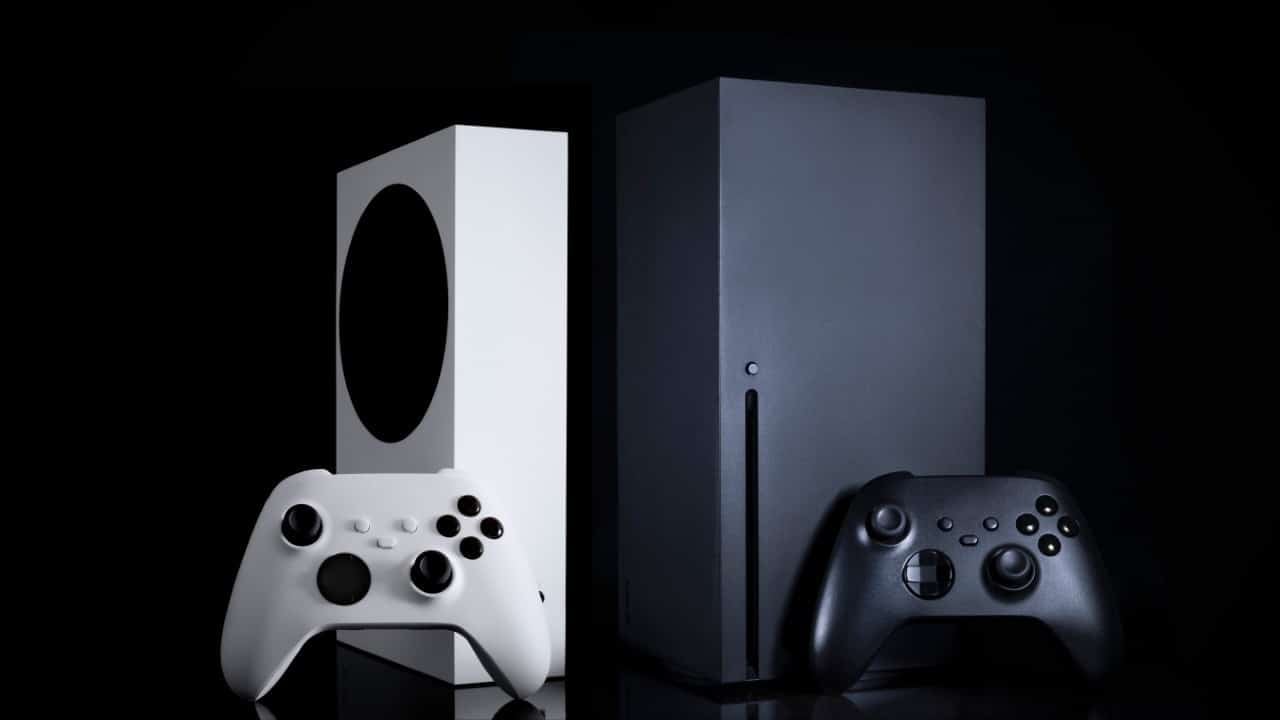
Microsoft demonstrates that it is following the same steps as its main Japanese competitor by beginning the definitive migration from physical media to an exclusively digital format. With the gaming market recording more than eighty percent of its current revenue coming from downloads, a recent patch released for the company’s consoles already highlights the behind-the-scenes of this imminent transformation.
Recently, leaks indicated that the PlayStation manufacturer plans to stop manufacturing discs by 2028, which sparked a wave of criticism and boycott threats from the gaming community. This turbulent scenario seemed to be the perfect opportunity for Microsoft’s gaming division to take a different stance and win over traditional collectors.
At the beginning of discussions about the next generation, the North American giant even signaled that it would maintain support for disk readers in the upcoming Helix Project. However, behind-the-scenes information now indicates that the company has retreated from this promise and should officially abandon the boxes in the near future, surrendering to the new consumption patterns of the technology industry.
The center of this revolution goes by the code name Xbox Positron, a system designed to convert any title inserted into the device into a virtual authorization linked directly to the player’s profile. In this way, the concept of ownership changes drastically, transforming the piece of plastic into just an activation key for the online environment.
Once this online validation is completed, the consumer gains the freedom to run the software across the brand’s entire ecosystem. This encompasses desktop video games, Windows computers and even cloud streaming platforms, expanding the concept of the Play Anywhere program to ensure that entertainment is not tied to a single piece of hardware.
There is, however, a crucial detail in this new operating mechanic: Blu-ray will continue to exist, but it will be tied to that specific account. If the owner decides to pass the item on and a third party inserts the media into another device, the original owner will have their right to use it instantly revoked by the company’s servers.
Basically, the method creates extra bureaucracy for those who like to have the product on the shelf, as final validation will always depend on the internet. The positive side is that the used market survives, allowing second-hand sales with the automatic transfer of rights, something that puts the platform at an advantage over strictly virtual models that block any type of transfer.
New visual features set the stage in the operating system
Although the full reveal of this authentication technology does not yet have a date set, a recent data package has started to be distributed to testers in the Xbox Insider program. The download introduces several aesthetic and functional changes to the main panel of current generation devices.
According to information released by community experts, such as the Idle Sloth profile, the new features focus on refining daily navigation. Package includes:
- Customizable menus on the device’s home screen.
- Freedom to hide or highlight shortcuts in your personal library.
- General improvements in the fluidity of the operating system.
The highlight of this update is the small visual alerts that now appear on the covers of titles saved in storage. Initially, the tool appears to have been created for Xbox Game Pass customers, quickly notifying you when software is out of print or requires a move to a higher subscription plan.
Taking into account the strong rumors about the new validation policy, this addition to the interface takes on much greater weight. The expectation is that these same alert icons will be used to stop the launch of games whose rights have been transferred to someone else, paving the way for the era of virtual control.
In general, the updated firmware focuses on polishing the edges of the menu and making life easier for the user, without pressing the red button that immediately decrees the end of physical media. This is a routine adjustment, focused on quality of life, which serves as a technical basis for what is to come.
Even with this focus on usability, the surprise activation of the new security protocol in the coming days remains a real possibility. The restructuring of the library and error warnings has all the characteristics of an infrastructure specifically designed to support constant property checking.
Looking at the macro scenario, the solution found by the Windows manufacturer provides a friendlier middle ground than the total blocking planned by the competition. It now remains to wait for the practical application of these rules to understand whether the community will embrace the idea or whether the used car market will suffer an irreversible blow.





