
Shark Week: Best films from Shark Week

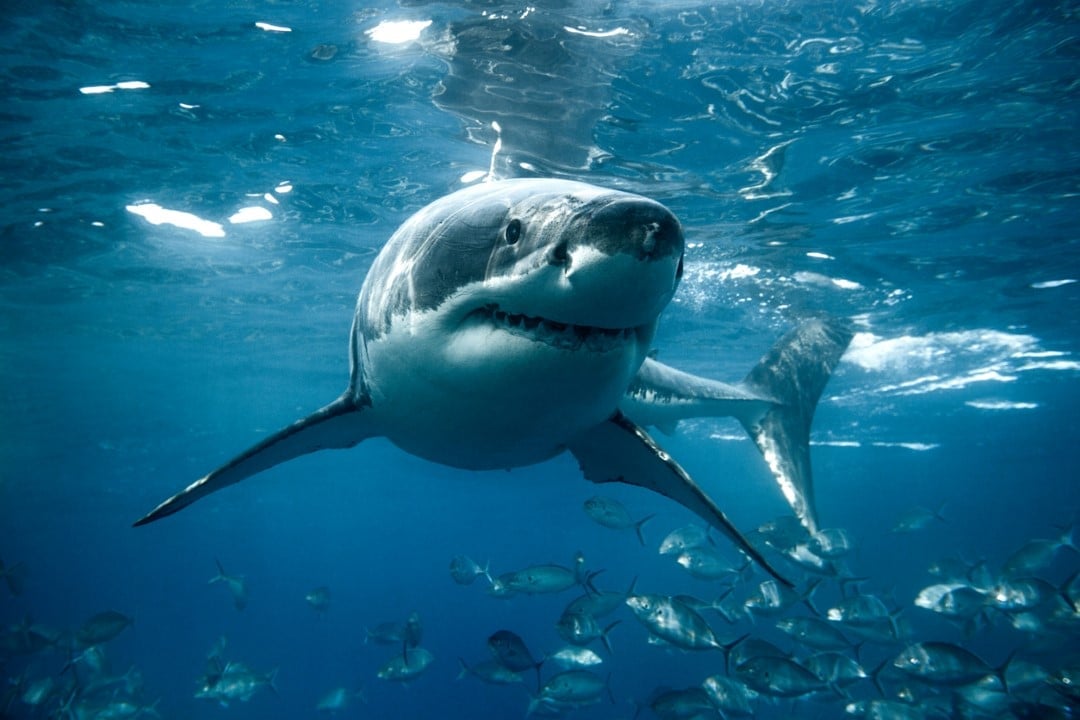
A new wave of films focused on sharks is invading digital platforms, coinciding with the traditional “Shark Week” that celebrates these marine predators. In July 2026 alone, several titles were released, highlighting a resurgence of the genre that seeks to capture viewers’ attention with plots that explore the fear of the unknown and the dangers of the ocean.
The wave of new films and their current approaches
Several recent productions illustrate the public’s appetite for shark stories, even if the quality does not always keep up with the volume of premieres. At this same time, releases such as “A Boca do Diabo”, available on Prime Video, and “Above and Below”, as a paid VOD rental, arrive to complement the thematic programming.
Other titles, such as “The Cove”, with Clint Eastwood’s daughter, “Bait”, starring Alice Eve, and “Deep Water”, which marks Renny Harlin’s return to the subgenre after “From the Bottom of the Sea”, have also been made available recently. The Netflix platform has had success with “SmackDown”, rounding out at least half a dozen such films released this year 2026. These films often position themselves as a kind of ‘natural slasher’, slightly expanding the boundaries of the known world (beaches, oceans) into horror territory that, while heightened, is not completely implausible. The fascination lies in the idea that sharks are real and can be deadly, even though the cinematic representation is much more dramatic than reality.
The legacy of “Tubarão” and the challenge of new productions
The challenge for any new shark movie is inevitably the shadow of “Jaws,” Steven Spielberg’s unquestionable masterpiece, released in 1975. Unlike other horror subgenres, which have a variety of classics to emulate — like the psychological thriller of “Psycho” or the rural horror of “The Texas Chainsaw Massacre” — shark movies face a single divide: “Jaws” and all the rest.
Spielberg’s production, based on a bestseller by Peter Benchley and facing enormous difficulties with the mechanical shark, not only redefined summer cinema, but also combined a male character study, a critique of American capitalism and a finely tuned thrill machine with an iconic soundtrack. Its intrinsic quality made it almost impossible for successors to reach the same level, relegating direct sequels to a progressive decline without the same impact.
Trends and subgenres that dominate the plots
Some films have managed to stand out in the genre, operating in the shadow of “Jaws”, but pursuing different paths. 1999’s “From the Bottom of the Sea,” for example, went the “bigger, faster, crazier” route, with genetically modified sharks and less intelligent humans, delivering a fun creature film with a good cast, including Samuel L. Jackson.
In contrast, 2016’s “Shallow Waters” opted for a more minimalist approach, with Blake Lively trapped on a rock, trying to outrun a persistent shark while dealing with personal grief. This survival thriller line, focused on a few characters and traumas, was explored in other successes. In recent years, shark productions have been divided between the path of “Shallow Waters” — survival stories with characters, usually female, confronting personal traumas in deadly encounters with predators — or trying to be a more “intelligent” version of the “Sharknado” style. The latter seeks unlikely scenarios for the presence of sharks, such as the recent Netflix hit, “Under the Waters of the Seine”, which places sharks in the River Seine during the 2024 Olympic Games, exploring the absurd in a conscious way.
- “From the Bottom of the Sea” (1999) – Focuses on genetically modified sharks and intense action.

- “Águas Rasas” (2016) – Focuses on the isolated survival of a protagonist against a shark.

- “Mar Aberto” (2003) – Addresses the fight for life of a couple abandoned on the high seas.

- “Under the Waters of the Seine” (2024) – A recent example that takes sharks to an unusual urban setting.

The challenges of production and the search for innovation
Creating convincing sharks on screen presents a constant challenge for filmmakers. Mechanical models and computer-generated imagery (CGI) often do not achieve the desired realism, and the complexity of visual effects for these animals is often relegated to lower-budget productions, which cannot always deliver the necessary visual impact. Big-budget films, like Jason Statham’s “Megajaws” franchise, also face criticism for the quality of their effects.
The difficulty in making sharks visually striking may be one of the reasons why some of the best recent “shark”-style productions don’t even include the animal. “Creepers”, from 2019, for example, follows the formula of “Aguas Rasas” — a woman dealing with family problems on a dangerous and lonely mission — but with alligators instead of sharks. The 2022 hit “Fall” shows two young women with an intense background trapped at great heights, without the need for creatures, demonstrating that the terror of survival can come from other sources.
Analysis of new launches in the current context
Within this panorama, the films released during Shark Week offer mixed perspectives. “The Devil’s Mouth” adopts the style of “Shallow Waters”, focusing on two friends on vacation in Thailand who explore an underwater cave system. Although sometimes overly self-aware about the characters’ motivations, the setting and the sparing use of special effects for the shark make for a watchable experience, even if it doesn’t reach the mastery of its predecessor.
“Above and Below” leans more towards the “Sharknado” style, but also incorporates elements from “47 Meters Deep”. The plot follows a group of five young people on a cage dive to observe sharks, who find themselves involved with criminals. Despite the presence of Antonio Banderas as a debonair villain, the fusion of literal and metaphorical sharks results in a predictable and generic narrative, turning into two low-budget DTV films in one, with little to offer other than a time-saving 90 minutes.
Even with the screenwriters’ inventiveness, the sharks themselves remain visually challenging creatures. The essence of “Jaws”‘s terror lay as much in what was unseen as in what was glimpsed, a contrast to the current tendency to show off too much. It is this delicate balance between mystery and presence, and between human motivation and animal threat, that the future of shark films will need to navigate to truly impress and once again capture the imagination of audiences.





