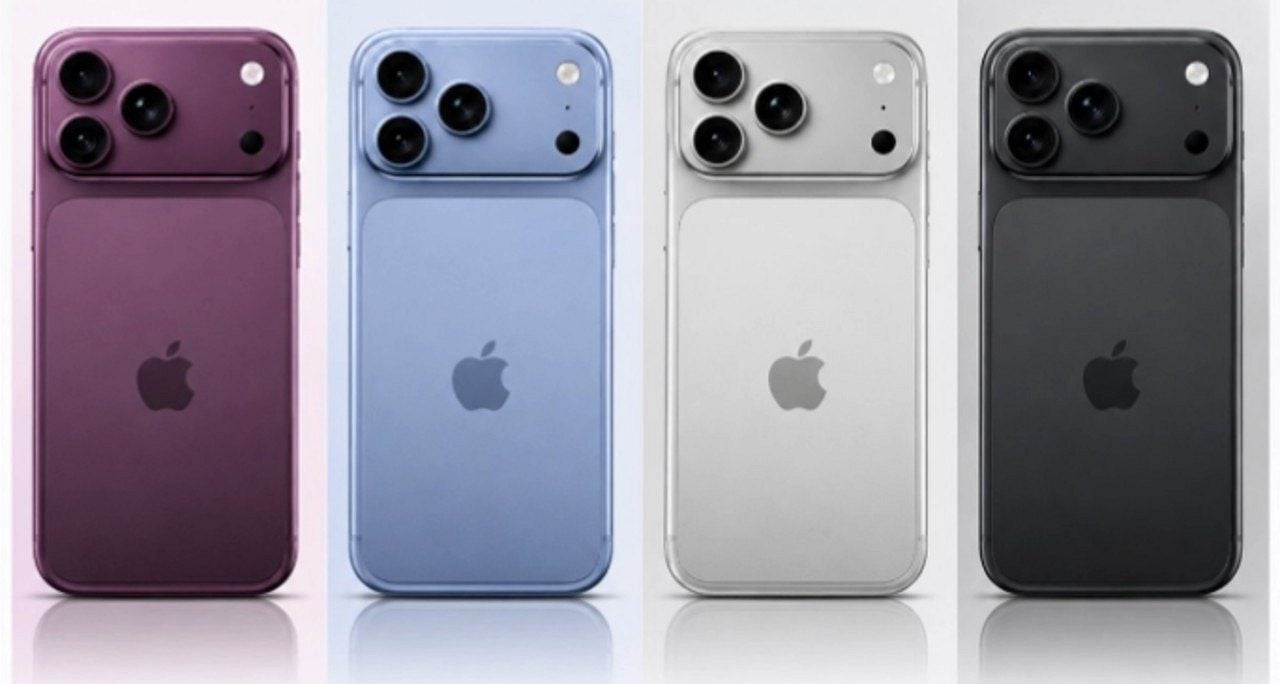
The Cupertino giant is about to break a historical tradition by completely restructuring the arrival schedule for its next generation of smartphones. For the first time, the manufacturer will separate the debut of the devices into two distinct phases: the Pro and Pro Max variants will hit the shelves in September 2026, while the conventional editions and the second version of the Air model will be released in the first half of 2027. Along with this radical change, the brand plans to reveal its first flexible screen device, which could be called the iPhone Fold or Ultra, costing from US$2,000.
This commercial maneuver breaks with the classic format of a single major annual event in the autumn of the northern hemisphere, a practice consolidated by the company for more than a decade. For customers who usually update their devices to entry-level versions, this new approach completely transforms financial planning and the ideal time to change cell phones.
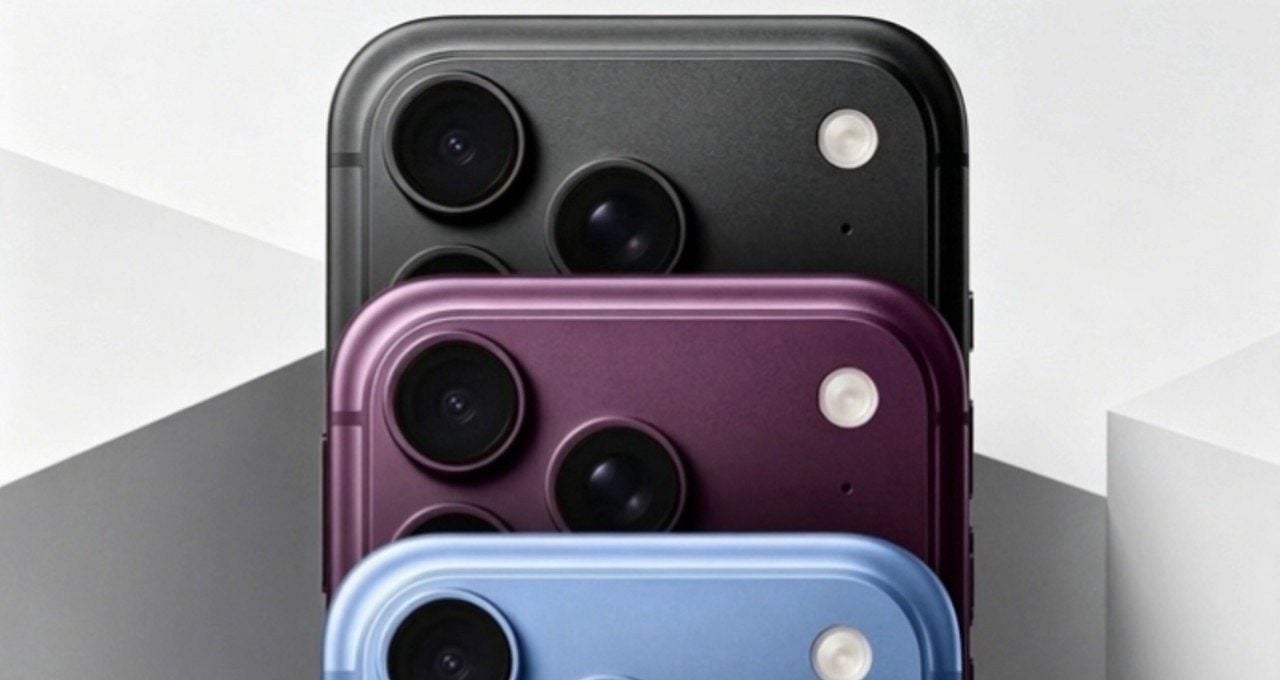
Debut of the brand’s first foldable cell phone accompanies premium versions
The long-awaited flexible screen device is expected to be announced in September 2026, sharing the stage with the more expensive editions in the line. This launch officially enters the company into the foldable devices competition, a sector where South Korean Samsung has reigned supreme since 2019 with the Galaxy Z Fold family. The arrival of this product occurs at a symbolic moment, exactly when the manufacturer is preparing to celebrate the two decades of existence of the original smartphone presented by Steve Jobs in 2007, raising the need to deliver a resounding impact on the market.
With a price stipulated above the two thousand dollar mark, the new flexible format will be positioned as an extremely luxury item. The corporation is currently dealing with a complex global scenario: despite comfortably leading sales in the United States, the brand occupies second place in the world rankings, behind its main South Korean rival and with a narrow advantage over Chinese giants such as Xiaomi. Placing such an expensive and innovative product in stores is a decisive move to regain technological pioneering status.
Camera improvements and forced adjustments to device hardware
In the field of photography, strong industry rumors point to the inclusion of a variable aperture system in the rear lenses. This technology will give consumers the ability to physically control the entry of light, ensuring much better results in nighttime or high-exposure environments. At the same time, the device’s energy tank should gain greater capacity, solving one of the oldest complaints from users regarding screen time.
Another point of attention involves a possible freeze in the memory specifications of input edits. Due to a supply crisis in the supply chain, the manufacturer may be forced to maintain the same RAM capacity seen in the previous generation, frustrating those who expected a leap in multitasking performance in the most affordable devices.
The interactive notch at the top of the display, known commercially as Dynamic Island, will undergo a considerable size reduction, delivering a much cleaner front view for consuming videos and games.
New shade options seek to rejuvenate the look of the smartphone
The design department plans a drastic aesthetic revolution for the next family of cell phones. Options leaked so far include:
- Intense shades of red
- Burgundy color finish
- Deep Purple Variations
- Unprecedented brown carcasses
- Unique customizations derived from these base palettes
This selection of pigments completely deviates from the sober and metallic standard that the company has adopted in recent years, indicating a clear effort to modernize the product’s identity and capture younger segments of consumers. The visual change is considered so risky that the development team carried out several field surveys to measure the acceptance of these colors in different age groups before putting the hammer down.
Maintaining table values amid global economic pressure
Contrary to what usually happens in major renewal cycles, there is no indication that the charging table will be readjusted upwards. This financial stability is viewed with optimism by industry experts, especially at a time when global inflation and logistical costs are squeezing automakers’ profit margins. Securing transfers to the end customer will be a fundamental tactic to avoid losing space in emerging countries, where the cost-benefit factor dictates purchasing rules.
Strategic reasons behind the division of the sales calendar
The decision to split the arrival of products serves two crucial corporate fronts. Firstly, grouping the highest value-added items in the last quarter of the year guarantees a huge peak in revenue during the holiday season. Secondly, pushing the cheaper versions into the following year provides essential breathing space for factories to deal with the lack of chips, avoiding empty shelves immediately after the announcement.
The public who is used to purchasing the basic version will have to make a complex decision: take advantage of the previous generation’s stock sales or wait almost half a year for the new product. This temporal vacuum should indirectly boost demand for the second edition of the ultra-thin model, which will act as a perfect commercial bridge during these months of transition.
Market pressure and the future of the manufacturer’s technological leadership
The commercial performance of the current family left investors very satisfied, driven by a robust entry model and design changes in the top versions. Because of this recent success, the bar for the next line is at its highest level.
The North American giant needs to prove that it still sets the rules in an ecosystem where Asian brands launch new products at a frantic pace. The device that folds in half transcends the category of mere electronics, functioning as a testament that the Apple company has not lost its ability to invent the future. The month of September 2026 will go down in the brand’s history as the definitive test of this new fragmented strategy, revealing whether the division of dates will boost profits or just confuse the fan base.