
Redmi cell phones begin to receive the HyperOS 3 system with AI innovations

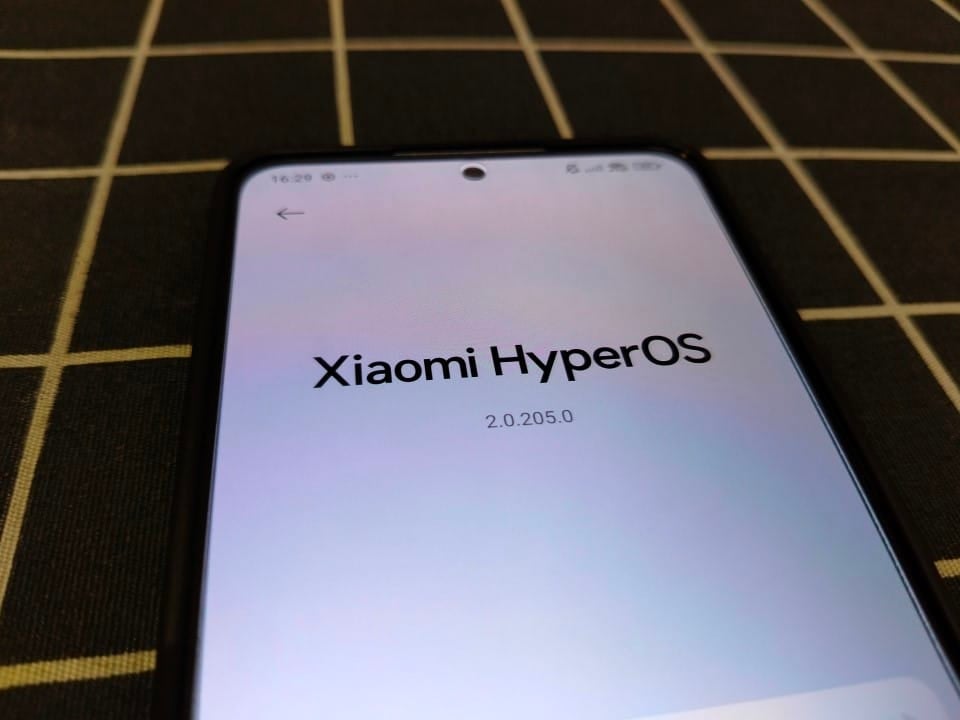
Owners of smartphones from the Chinese manufacturer’s cost-benefit line can now celebrate the arrival of the brand’s latest interface. The company has begun the process of releasing the updated operating system, which brings with it strong integration with artificial intelligence tools, as well as a renewed look and significant speed gains. Based on the most modern Android architecture, this platform is now available on the most affordable devices, shortly after making its debut on the company’s premium devices, intensifying competition with other brands in the intermediate segment.
Visual transformations and intelligent tools integrated into the software
One of the great highlights of this version is the implementation of an interactive element on the screen, which intelligently adjusts to the front camera cutout. This dynamic area serves to display real-time information, such as battery charging progress, active timers or control of running media, ensuring fluid compatibility with popular platforms such as TikTok and Spotify. Added to this, the graphical environment received a complete redesign of its icons, also bringing a cleaner status bar and a much more efficient alert system.

The use of advanced algorithms has also allowed the creation of wallpapers that react to movement and take on a three-dimensional appearance. In practice, the user can take an ordinary photo from the gallery and apply a cinema-quality depth effect, generating a visual immersion that is unprecedented in the category. To complete the customization, the software delivers new text font options, new lock panels and customizable shortcuts, ensuring that the cell phone accurately reflects the owner’s personality.
- Interactive area at the top of the screen with native support for external applications.
- Intelligent alert system with continuous task monitoring.
- Wallpapers processed by algorithms to generate 3D immersion.
- New options to customize the rest screen and quick shortcuts.
- Renewed visual identity with modern icons and optimized top bar.
Deep restructuring of programming ensures greater speed for devices
Behind the scenes of technology, the great revolution occurred in changing the programming language of essential applications, which started to use the Rust code, known in the market for its extreme security and speed. Native tools, such as the weather forecast and the photo viewer, have been completely recreated, which drastically alleviates the burden on the processor and improves RAM memory management. For mid-range devices, which naturally have more modest specifications than top-of-the-line devices, this architectural change means opening programs almost instantly.
Another crucial point of the new interface is the definitive correction of flaws that have been bothering consumers for months. Known bugs, such as delays in message delivery, the sudden disappearance of top icons and the misconfiguration of the game optimization mode, have been eradicated from the system. Furthermore, a new power controller works behind the scenes to freeze applications that are not being used, avoiding wasted processing and ensuring that the device spends more time away from the socket.
The transition between different open windows has also become remarkably smooth, thanks to a more intelligent distribution of hardware firepower. Anyone who uses their smartphone for entertainment will notice that games run at a much more constant frame rate, without those annoying crashes, while daily energy expenditure has plummeted. In general, the device’s digital ecosystem has reached an impressive level of maturity and solidity.
Release schedule and list of cell phones compatible with the new feature
The installation package is being sent gradually, divided into batches, so that the development team can monitor the software’s behavior and avoid massive instabilities. At this initial moment, the update calendar includes the following device families:
- Redmi Note 14 family (including Pro and Pro+ variants).
- Redmi Note 13 line (standard, Pro and Pro+ 5G edition).
- High-performance devices Redmi K80 and K80 Pro.
- Performance-focused models Redmi Turbo 3 and Turbo 4.
- Redmi 14C input devices and the entire Redmi 13 series.
To check if the download is now available, simply navigate to the settings menu, access device information and look for the software update tab. The Asian manufacturer confirmed that the schedule will be progressively expanded to reach all global markets in the coming weeks. This movement reinforces the brand’s commitment to democratizing access to a top-notch digital environment, proving that it is not necessary to spend a fortune to have a fast, secure cell phone full of innovations.





