
Resident Evil 2 remake reaches 19.75 million copies and breaks the franchise’s historic record

The video game industry has just recorded a significant milestone for the survival horror genre, with Capcom confirming a change at the top of its main financial pillar. Last Tuesday, July 28, 2026, the Japanese developer revealed that the reimagining of Resident Evil 2 officially took over as the most sold title in the entire saga. The project reached the impressive mark of 19.75 million units distributed globally, surpassing a giant that seemed unreachable. With this result, the company ends a cycle of a decade and a half in which absolute leadership belonged to a single product.
The end of the fifteen-year reign established by the fifth chapter of the saga
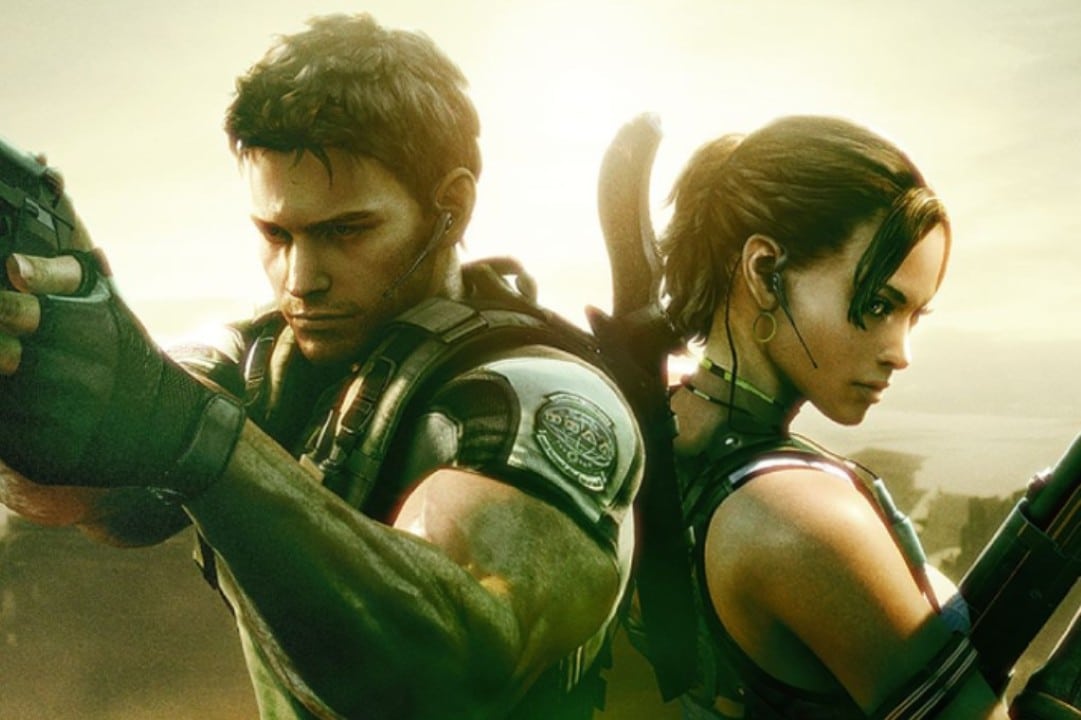
For exactly fifteen years, Resident Evil 5 held the crown of the publisher’s grossing champion, standing at 19.01 million copies sold. This title’s stellar performance in the past directly reflects the cultural impact left by its immediate predecessor, which revolutionized the over-the-shoulder camera and action in video games. Millions of consumers purchased the fifth adventure at launch, driven by the expectations generated previously, guaranteeing an initial distribution volume that no other work by the company had experienced until then.

Interestingly, the former record holder has always divided opinions between enthusiasts and specialized critics, often being pointed out as the moment in which the franchise abandoned suspense to embrace unbridled action. On the other hand, the new version of the classic at the Raccoon City police station, originally made available in 2019, built its success gradually and steadily. The unanimous public acceptance transformed the software into a long-tail product, maintaining a continuous flow of acquisitions over the years, driven by seasonal discounts and the arrival of new players into the brand’s ecosystem.
How the popularity of protagonist Leon S. Kennedy leveraged recent results
A determining factor in maintaining the commercial momentum of the 2019 work is the producer’s strategy of interconnecting its recent releases through iconic characters. The presence of rookie police officer Leon S. Kennedy acts as a natural attraction for the consumption of previous titles. When users finish more recent adventures starring the hero, the immediate tendency is to look for other stories involving the same central figure, creating an extremely profitable financial feedback loop for the Asian corporation’s coffers.
This phenomenon becomes evident when analyzing the performance of productions that have reached the market in recent months. The modern recreation of Resident Evil 4, for example, has already accumulated 16 million units transferred to consumers’ homes. At the same time, the project titled Resident Evil Requiem records 8 million copies sold, with internal projections indicating a substantial growth in this number thanks to future promotional campaigns and expansion packs already scheduled. The simultaneous success of these three games demonstrates the strength of intellectual property in the current scenario and suggests that newer works may eventually surpass the remake of the second game itself.
The direct clash with RPG giants and the Japanese studio’s overall numbers
The accumulation of individual hits has elevated the zombie brand to a level rarely seen in the digital entertainment industry. Adding up all the iterations, derivatives and re-releases, the biological horror saga reached the mark of 213 million games sold throughout its history. This amount places Capcom’s property in a fierce dispute for the global public’s preference against other legends from the eastern market, highlighting the historical weight of these intellectual properties.
- The survival horror franchise has 213 million units, slightly surpassing the 212 million registered by Square Enix’s Final Fantasy series, although the competitor’s data is still awaiting update for the current fiscal quarter.
- Outside the universe of the undead, the Monster Hunter: World phenomenon remains an isolated colossus within the publisher, boasting 30.45 million copies sold worldwide.
- More recent and experimental projects also contribute to the company’s overall positive balance, with the Pragmata series recording 2.51 million confirmed transfers.
These financial indicators prove that the strategy of alternating between high-budget remakes and unreleased sequels has created a sustainable business model that is shielded against common technology market fluctuations. The company has managed to diversify its source of income without relying exclusively on a single annual release, ensuring that the back catalog continues to generate significant dividends while the development teams work on new graphics technologies.
Expansion to cinemas and the next steps in the entertainment universe
The public’s appetite for the Raccoon City universe transcends video game consoles and computers, forcing the brand to expand into other media. The corporation’s investment calendar foresees the premiere of a new film adaptation, under the direction of filmmaker Zach Cregger, scheduled for release on September 16th. The initiative seeks to capture an audience that consumes pop culture, but does not necessarily have the habit of interacting with controls, expanding brand recognition on a global scale.
In the interactive field, long-term planning already establishes the next big step for fans of horror storytelling. The development of Resident Evil Veronica has been confirmed, with the release window projected for the year 2027. The expectation is that this future title will use the same graphic technology that established previous recreations, maintaining the standard of visual quality and the oppressive atmosphere that returned the franchise to the top of the global sales charts and guaranteed the longevity of the intellectual property for the next decade.





