

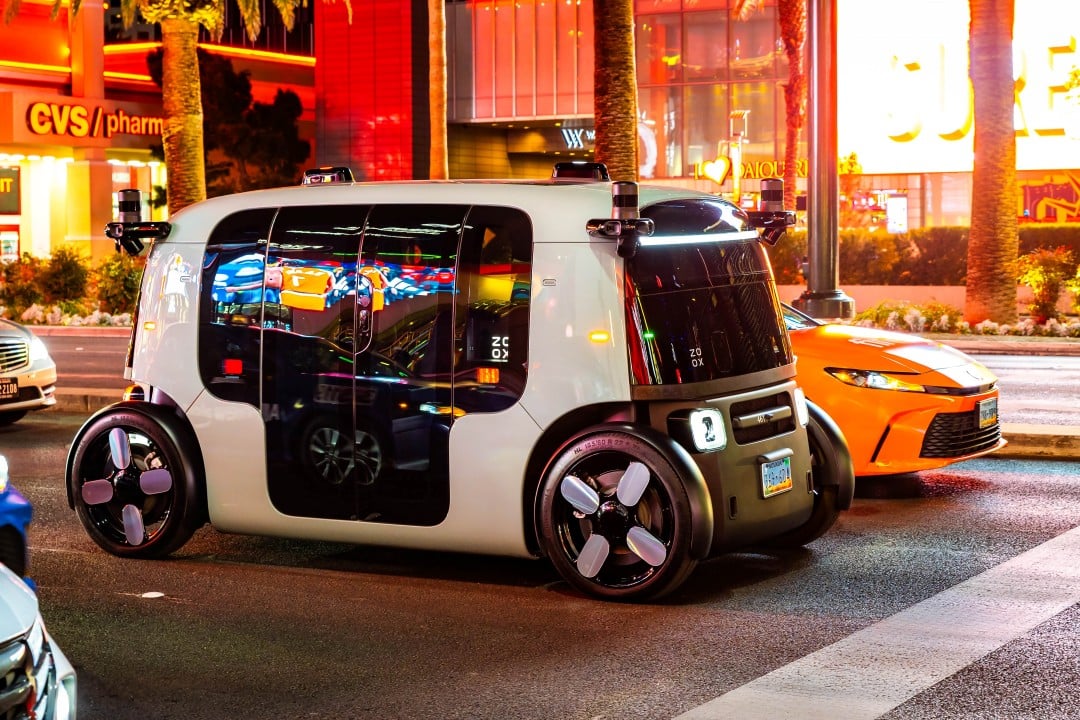
Amazon’s autonomous vehicle subsidiary Zoox has received approval from the National Highway Traffic Safety Administration (NHTSA) to operate its robotaxis on public roads in the United States. The decision, confirmed on June 20, 2024, marks a fundamental step towards the future of autonomous transport, allowing Zoox cars to drive without the need for steering wheels, pedals or other conventional manual controls. This endorsement differentiates the company’s vehicles in the mobility scenario.
Important exceptions to safety standards for Zoox vehicles
To enable the operation of its robotaxis, Zoox obtained two crucial exemptions from the Federal Motor Vehicle Safety Standards (FMVSS). These exceptions are fundamental to the car’s innovative design and include:
- No need for a steering wheel and pedals, allowing the vehicle to be completely autonomous from its conception.
- A different approach to occupant arrangement and protection systems, as the robotaxi’s seats are arranged facing each other, supporting bi-directional steering.
Why ditching manual controls is crucial for autonomous mobility
These NHTSA exemptions are essential because they allow autonomous vehicles, designed to be operated solely by software and sensors, to comply with regulations without compromising their original purpose. A vehicle built from the ground up to be autonomous can optimize interior space and the passenger experience by removing elements that would not be used and that could even pose risks in a failure scenario. The approval validates the concept of cars designed to be “driven” solely by artificial intelligence, which reflects a more holistic vision of future transportation.
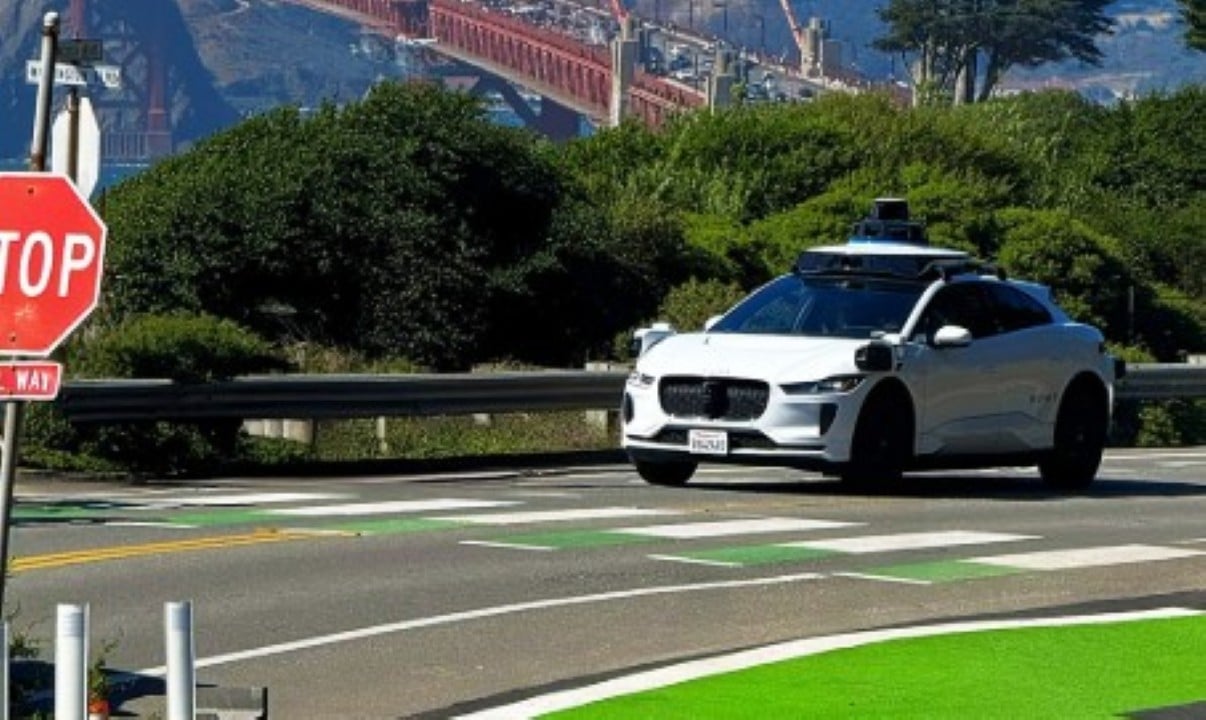
Safety measures and operational limits for robotaxis
Zoox robotaxis, which carry up to four passengers in opposite seats, are designed with a complete focus on safety. In the initial phase, the vehicles will have a maximum speed of 56 kilometers per hour (35 mph) and will be deployed in specific urban areas, such as Las Vegas and Foster City. Jesse Levinson, Zoox’s chief technology officer, said the company has already accumulated more than 1.6 million kilometers of testing on public roads, demonstrating an ongoing commitment to the safety of passengers and other road users.
What the NHTSA decision represents in the regulatory landscape
NHTSA’s decision to grant exemptions to Zoox reflects an evolution in the regulatory landscape for autonomous vehicles in the United States. Other companies, such as Cruise, a subsidiary of General Motors, have also received similar authorizations for their Origin vehicles, which also do not have manual controls. This sets an important precedent, indicating that authorities are adapting to accommodate innovative technologies, while maintaining a rigorous safety standard for the introduction of these new forms of transportation into everyday life.
Next steps and impact on the future of transportation
With this regulatory approval, Zoox is ready to move forward with its plans to offer robotaxi services to the public. Although an exact timeline for the start of commercial operations has not been released, the company can now expand its testing and begin preparing the necessary infrastructure to deploy its Level 4 autonomy vehicles, which operate in specific conditions. This milestone not only strengthens Amazon’s position in the automotive technology sector, but also accelerates the vision of a future with more efficient and autonomous urban transportation.





