
Ferrari’s first electric sports car runs out of reserves and surprises the sector

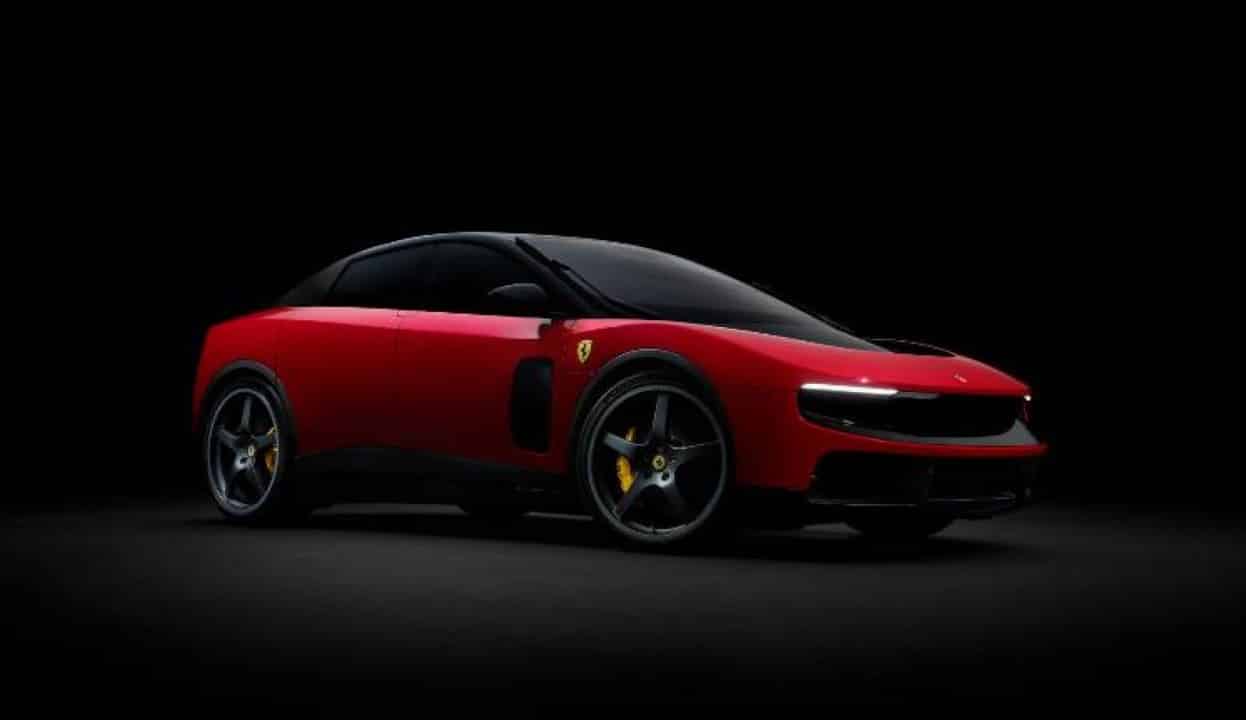
The Italian automaker’s unprecedented battery-powered model, commercially named Luce, surpassed all commercial projections long before it entered the assembly line. At the end of July 2026, the scenario contrasts sharply with the pessimistic analyzes released around sixty days ago, when experts in the segment predicted an imminent failure at dealerships. The rapid absorption of this luxury super sports car by buyers highlights a profound transformation in the high-end niche, proving that customers are willing to embrace the new technological phase of the iconic European manufacturer.
How the Italian automaker overcame the mistrust of purists
The Maranello manufacturer’s foray into the world of battery-powered engines generated enormous distrust among the most conservative enthusiasts. For decades, the company’s identity was linked to the mechanical symphony of its V8 and V12 combustion engines, elements that established the brand globally. With the pressure of European regulations that ban the sale of combustion cars from 2035, the transition became mandatory, but the silence of the electric engine seemed like a threat to the company’s soul. Financial analysts feared that this radical change would alienate historical collectors, diluting the prestige built over generations on the racetrack and streets.

Reservation of units for the new model breaks paradigms in the luxury sector
Contrary to the voices that pointed to the launch as a fatal error for the manufacturer’s legacy, the official numbers revealed a scenario of absolute commercial success. The initial batch of reserves was completely exhausted without the factory completing the assembly of the first chassis. This atypical consumption behavior demonstrates that the very high-income public fully trusts the brand’s engineering to deliver a revolutionary product. It is clear that, even in a niche historically attached to traditional mechanics, there is a strong desire for technological innovations, as long as the emblem on the hood guarantees a non-negotiable standard of quality and status.
The manufacturer’s next steps in the battery-powered high-performance segment
The project’s immediate commercial triumph validates the complex corporate maneuver toward sustainable mobility. To ensure that the vehicle delivers the same excitement as its predecessors, management invested billions in research into new materials and advanced aerodynamics. The central objective was never just to swap the fuel tank for a lithium-ion pack, but rather to create unprecedented driving dynamics, exploiting the instantaneous torque and weight distribution that only electric architecture allows. With this, the company is no longer just a traditional brand to assume a leading role at the forefront of modern automotive engineering.
- Offer control:The automaker must severely restrict manufacturing volume, protecting the rarity status and ensuring the asset’s appreciation in the secondary market.
- Focus on dynamics:Engineering prioritized the delivery of raw power and stability in curves, ensuring that the behavior on the track surpasses the old gasoline models.
- Advancement in components:The adoption of state-of-the-art power cells and unique thermal control software promises to eliminate overheating issues at high speeds.
- Renewed aesthetics:The body design breaks with the past to optimize air resistance, but preserves unmistakable features that identify the brand’s lineage from a distance.
- Premium Support:Buyers will have access to a private ultra-fast charging network and customization services that raise the standard of customer service.
Impact of the launch on competing high-end automakers
The rapid depletion of reserves sends a clear message to the entire super-exclusive vehicle ecosystem. It has been proven that the energy transition is very welcome by billionaires and collectors, demystifying the idea that automotive luxury depends exclusively on fossil fuel. By managing to balance its historical weight with the urgent need for sustainable innovation, the Italian brand establishes a new benchmark of excellence. Consequently, direct rivals in the European and Asian markets will need to bring forward their electrification schedules, knowing now that there is a real and immediate demand for silent, powerful and environmentally friendly hypercars.





