
Japanese automaker reveals details of the 2027 Prius for the American market

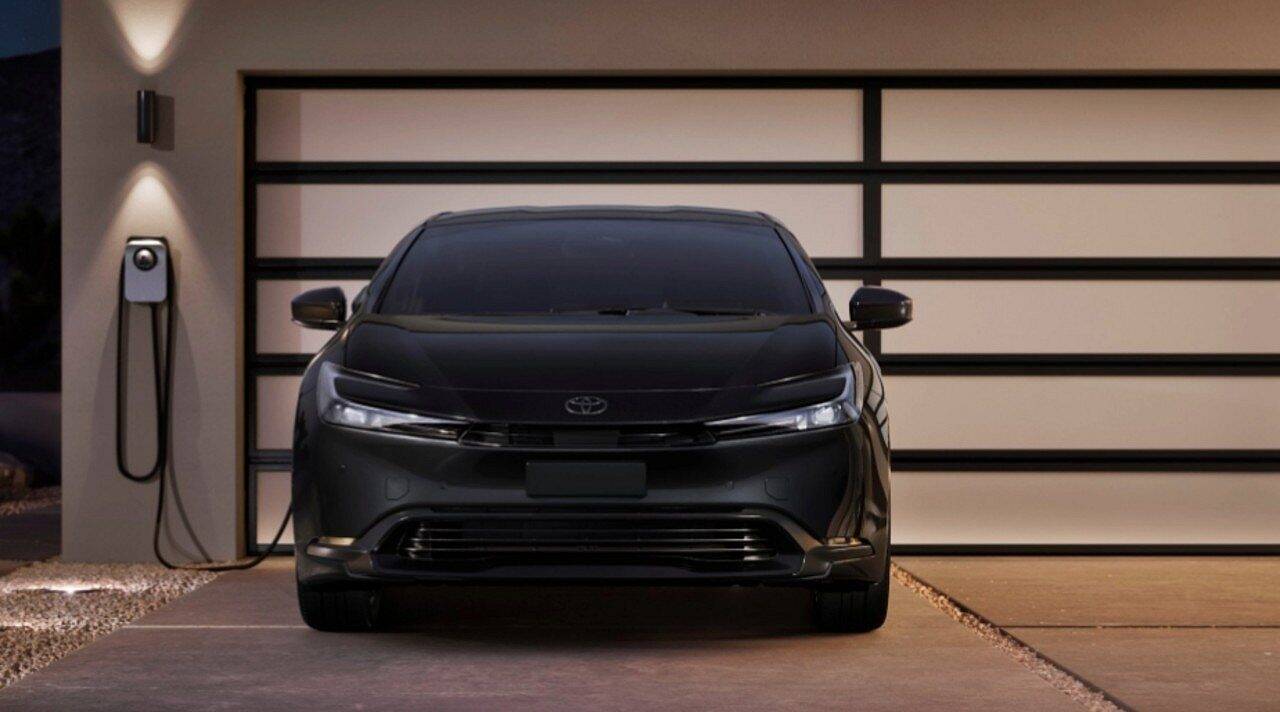
Toyota’s North American division confirmed on July 16, 2026 the arrival of the 2027 line of its most famous electrified automobile, generating strong immediate engagement on automotive forums and social networks.
Recognized worldwide as the pioneer in the popularization of combined engines, the vehicle has carried a historic legacy since its commercial debut in 1997. Over almost three decades, the car served as the manufacturer’s main testing laboratory for clean technologies that today dominate the global industry.
Although it maintains the focus on reducing polluting emissions, the current body breaks with the conservatism of the past by adopting a sporty silhouette in the shape of a coupe with five doors, designed specifically to break aesthetic prejudices and attract younger drivers.
The newly revealed version for US consumers arrives at dealerships during the Northern Hemisphere summer, bringing specific updates that refine both the onboard experience and the visual impact on the streets.
One of the main improvements to the cabin is the introduction of intelligent dual-zone air conditioning, allowing the driver and passenger to adjust temperatures completely independently. On the outside, the painting catalog was reinforced with an unprecedented shade called “Inked”.
The regular portfolio continues to offer the shades “Cutting Edge”, “Guardian Gray” and “Reservoir Blue”. However, the biggest aesthetic highlight is the “Night Shade” variant, which completely darkens the bumpers and 19-inch alloy wheels, creating an aggressive contrast when combined with the exclusive “Mustard” yellow paint.
Consumers willing to pay an extra amount can opt for high-standard finishes, such as the vibrant “Supersonic Red” and the sophisticated “Pearl Chiado do Vento”, which complete the body customization options.
Under the hood, Japanese engineering maintained the 2.0-liter four-cylinder combustion engine, working in sync with the fifth generation of the brand’s hybrid system, the “THS 5”, guaranteeing superior energy management than its predecessors.
In configurations equipped with front-wheel drive (FWD) only, the mechanical package develops 194 combined horsepower. This breath is enough to push the car from inertia to 96 km/h in exactly 7.2 seconds, a respectable number for the low consumption category.
Energy efficiency continues to be the project’s strong point. According to rigorous measurements by the United States Environmental Protection Agency, the entry-level “LE” version with single-wheel drive achieves an impressive average consumption of 23.4 km/L in a mixed cycle.
For those traveling in regions with constant snow or rain, the option with on-demand all-wheel drive (AWD) adds an electric motor to the rear axle. This subtle change increases total power to 196 horsepower and reduces acceleration time to 96 km/h to a quick 7.0 seconds.
Even with the extra weight of the four-wheel system, the “LE” variant with this technology suffers a minimal loss in efficiency, recording a combined consumption of around 22.5 km/L, keeping its sustainable appeal intact.
The technology package for the “LE”, “XLE” and “Nightshade” versions includes an 8-inch multimedia center. The top-of-the-line “Limited” model takes a significant leap forward by incorporating a 12.3-inch floating display and a high-fidelity sound system signed by JBL, equipped with eight speakers.
Thermal and ergonomic comfort has also been increased. “XLE” or higher models leave the factory with heated front seats and eight electric adjustments for the driver, while the more expensive configuration adds seat ventilation and motorized opening of the trunk lid.
Occupant protection remains standardized across the entire line through the “Toyota Safety Sense 3.0” package. The system uses advanced sensors to provide a security shield that encompasses:
- Autonomous braking with pedestrian recognition.
- Intelligent prevention against imminent collisions.
- Automatic steering wheel correction for unintentional lane departures.
The price list for the North American market starts at US$28,755 and goes up to US$35,770 for front-wheel drive options (values that represent around 4.67 million to 5.81 million yen at the July 2026 exchange rate). All-wheel drive models cost between US$30,155 and US$37,170 (approximately 4.9 million to 6.04 million yen). All global demand will continue to be supplied by the assembly line located in the city of Tsutsumi, Japan.
Catalog differences between countries generate heated debates on the internet
The commercial strategy adopted for the United States provoked a wave of discussions in specialized forums, especially due to the finishing choices that the automaker decided to make available or remove in different regions of the planet.
Asian consumers quickly noticed a discrepancy in the catalog. The version with darkened details had been launched on the Japanese market in the July 2025 update, but was removed from the line early in July 2026, generating frustration and questions about why the configuration remains alive and updated in North America.
On digital platforms, the baptism of the special edition became a reason for jokes, with internet users comparing the “Nightshade” nomenclature to Japanese animation titles. Furthermore, the aerodynamic silhouette painted yellow earned enthusiastic praise, with fans claiming that the family model finally gained proportions and aggression worthy of a super sports car.
The combination of mustard paint (known as “karashi” in Japan) and black wheels proved to be an undeniable design success. The volume of positive interactions about this specific aesthetic shows that the manufacturer managed to transform a car previously focused solely on fuel economy into an object of desire, keeping alive the hope that limited editions will return to markets where they were discontinued.





