
New design of the Galaxy S26 Ultra leaks online with unified camera module

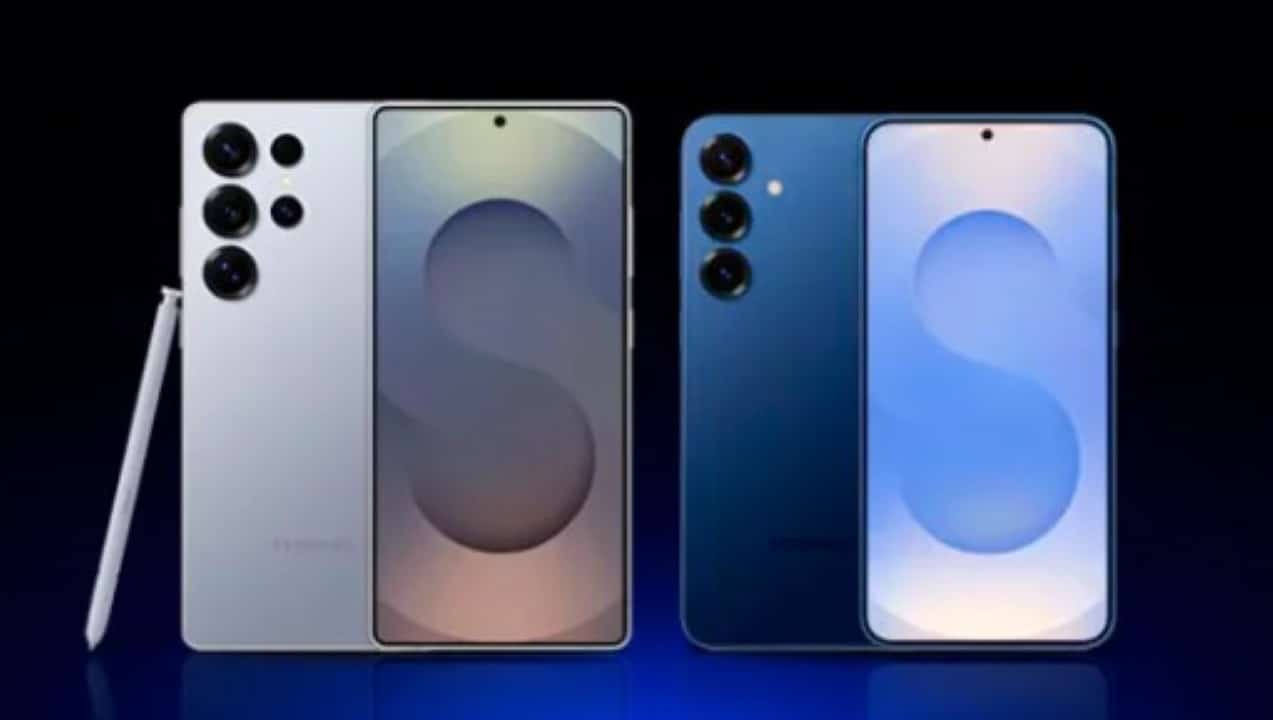
Recent images shared on Asian technology forums reveal the likely definitive look of Samsung’s next premium cell phone. The content released about the Galaxy S26 Ultra ensures the presence of the traditional stylus pen, but points to a complete transformation in the rear camera module, leaving behind the visual identity used by the brand in recent generations.
The most obvious change occurs in the organization of the photographic sensors, which lose the individual rings seen in previous models. Instead of this separate arrangement, the South Korean manufacturer decided to group all the lenses in a single, slightly protruding piece, adopting an aesthetic very similar to that found in the foldable devices in the Galaxy Z Fold family, which guarantees a more minimalist finish to the rear panel.

The smartphone’s design follows the industry’s current preference for straight edges, although it maintains a slight curvature at the ends to ensure ergonomics during continuous handling. The guaranteed presence of the note-taking accessory calms consumers in the corporate sector, reinforcing that productivity remains Samsung’s main weapon to face strong competitors, such as Apple’s future iPhone 17 line.
Even with the official presentation scheduled only for the Galaxy Unpacked event in February 2026, the early circulation of these images reveals the company’s plans. The central strategy seems to focus on improving a format that is already successful in the market, avoiding drastic changes that could scare away the brand’s more traditional buyers.
Grouping of rear lenses launches Samsung’s new visual identity
The restructuring of the photographic area means progress in the standardization of the Asian giant’s products. By removing the metal rims that characterized past versions, the company establishes a cleaner and easier to identify aesthetic standard. In addition to the design issue, concentrating the parts in a single elevated block facilitates the manufacturing process and adds an extra layer of protection against direct hits to the glass.
The structure of the device continues to rely on extremely resistant materials, using a titanium alloy capable of reducing the weight of the device without losing protection against impacts. The rear panel with a matte texture works as a barrier against sweat and grease marks, a determining factor for a cell phone positioned in the luxury segment, where an impeccable appearance directly influences the choice of consumers with high purchasing power.
Capture hardware improvements promise superior night photos
The main photography component will maintain the 200 megapixel resolution, but with significant changes to its internal architecture. Rumors point to the adoption of a new generation ISOCELL sensor, built with physically wider light receptors, a feature that provides much greater light capture and a fast autofocus system even in low-light locations.
Working in conjunction with the main camera, the device will feature an ultrawide lens equipped with improved software to prevent distortions at the edges of photos. The zoom mechanism should use two separate telephoto cameras, offering five and ten times optical zoom, both supported by high-resolution sensors to ensure that images from far away do not lose detail.
The elevation of the new camera module also performs a physical protection function, preventing the lenses from touching directly against uneven surfaces when the cell phone is placed on a table. Aware of this change in format, several accessory manufacturers have already started producing cases with specific cutouts to perfectly accommodate the new projection on the back.
This entire set of lenses will work in sync with a latest edition of the brand’s artificial intelligence. The system promises to automatically adjust contrast and reduce visual noise common in nighttime captures, while the generative functions integrated into the photo application will give the user the power to remove people from the background or recreate entire scenes with a simple touch on the display.
S Pen capabilities are expanded with new software functions
The internal space reserved for the S Pen keeps alive the legacy started by the extinct Galaxy Note line, which was absorbed by the Ultra category from 2022 onwards. The delay between the touch of the tip and the scratch on the screen has dropped to almost zero levels, delivering the exact sensation of writing on a sheet of paper. Air movement shortcuts will now work in third-party applications, and the native notepad will be able to organize confusing texts and create summaries of long meetings independently.
New Snapdragon processor focuses on offline artificial intelligence
The performance of the operating system will be handled by the next version of the Snapdragon chip. The main difference of this component is the physical increase of the neural processing unit, designed to perform advanced machine learning operations within the smartphone itself, which eliminates the need to send sensitive user information to external servers.
Images will be displayed on a 2X Dynamic AMOLED screen that is around 6.8 inches in size. The development team increased the maximum brightness capacity to ensure perfect reading in sunlight, preserving the variable refresh technology that ranges from 1 to 120 Hz, a fundamental feature for saving battery power when reading texts or viewing still photos.
To ensure fluidity when opening multiple applications at the same time, the hardware will feature RAM memory in the LPDDR6 standard and very high-speed internal storage. The cheapest version of the device should hit the market with 12 GB of RAM and 256 GB of space, specifications that ensure great performance for many years for buyers.
Color options include classic shades and limited editions
The list of colors that will accompany the official launch will mix sober alternatives with more striking paintings, seeking to please all tastes. The leaked information indicates the following options for international trade:
- Traditional colors: Shadow Black, Silver White and Shadow Silver.
- Different shades: Glacial Blue, Cobalt Violet and Rose Gold.
Repeating a commercial strategy that generated good results in the past, Samsung will restrict some special colors only to customers who purchase through the brand’s online store. This tactic generates a feeling of exclusivity and encourages the public to close a deal directly with the manufacturer, bypassing retail chains.
Launch forecast points to arrival in stores at the beginning of the year
The manufacturer’s internal planning marks February 25, 2026 for the global presentation of the product, with the pre-sales phase starting soon after. The batches are scheduled to arrive in physical stores in the first days of March, offering customers a cell phone with a standard 5000 mAh battery, but which now supports 60 W ultra-fast charging, considerably reducing the time spent waiting at the socket.
Visual update reinforces the smartphone’s premium positioning
The aesthetic change compared to the previous generation highlights a preference for more serious lines. Replacing the separate lenses with a unified module responds to a request from the high-end public for more discreet and sophisticated devices, putting the cell phone’s look in line with the design found in luxury cars and expensive watches.
By keeping the digital pen and completely renewing the back, the brand finds the perfect balance between bringing news and respecting the product’s history. The final balance is a robust device that pleases long-time fans, while offering a renewed look that justifies changing devices, consolidating its position as the main cell phone for the business world.



