
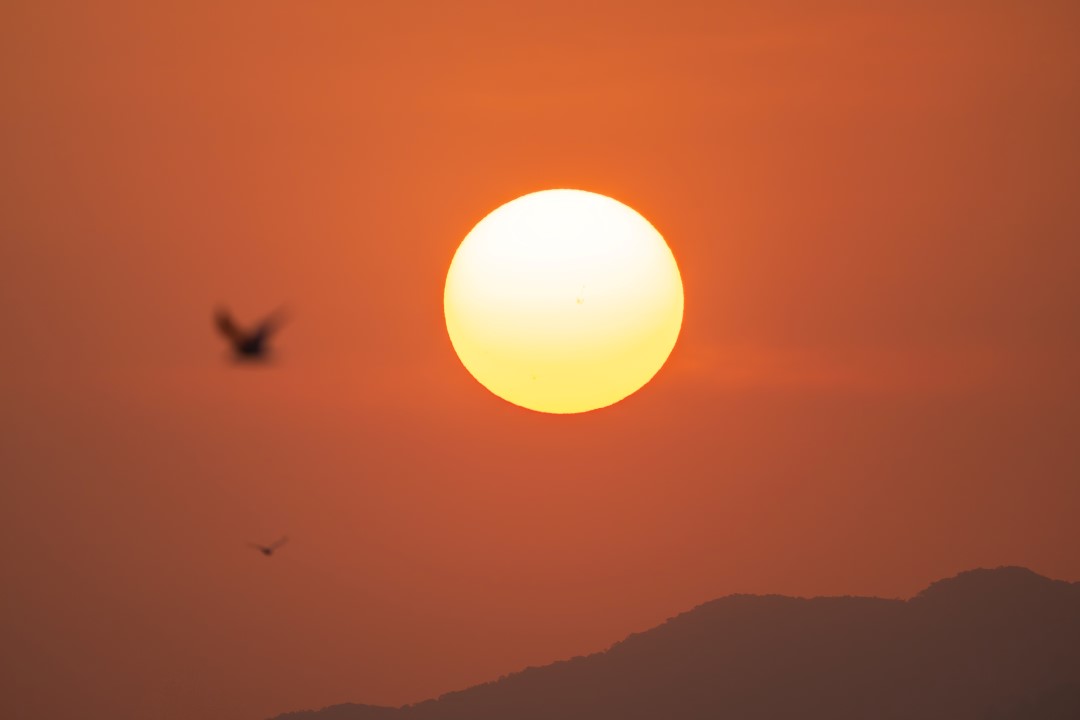
An intense heatwave is hitting Spain this weekend, which begins on July 31, 2026, raising the risk of wildfires to a critical level across much of the country. Temperatures are expected to remain high, with peaks between 39ºC and 42ºC, continuing the weather pattern that has marked the month of July in the Iberian nation and which has already caused the biggest fire in the country’s history.
Warning of intense heat and danger of forest fires
More on this story: Protección Civil sends emergency alert to millions of cell phones on May 28, 2026 as a preventive measure
The Spanish State Meteorological Agency (Aemet) reported that the current heat wave, which began on July 29, 2026, will persist until August 3, 2026. This adverse meteorological condition brings with it growing concern about the proliferation of fires, especially due to the combination of southerly winds and very low relative humidity. The General Secretariat for Civil Protection and Emergencies has maintained a special alert since Wednesday, with a 70% probability of the phenomenon occurring.
Regions most affected by high temperatures
The highest temperatures will be recorded in the Ebro Valley and in the depressions of the northeast, where thermometers can reach between 40°C and 42°C, and may even exceed these values in some low-lying areas of Navarre. In the southwest of the Iberian Peninsula, the maximum temperatures are predicted to be between 39°C and 41°C. In the Canary Islands, temperatures are expected to range from 34°C to 37°C, particularly on the southern slopes. This scenario of persistent heat has been a crucial factor in a fire season already considered historic for Spain, including the largest fire ever documented in the country, which occurred in Ávila.
Impact of winds and change in the profile of fires
Although extremely strong gusts of wind are not expected, the presence of the south wind complicates the work of combating active fires. Aemet issued “very high” or “extreme” fire danger warnings for most regions throughout the weekend. Forestry experts have warned of a significant change in fire season behavior. Areas such as Galicia, which historically reached peak risk in August or September, now have the dry vegetation necessary for fire ignition as early as July, indicating an extension of the period of vulnerability.
Large fires still active in Spain
The large forest fires that hit Spain in July have not yet been fully controlled. The fire that devastated regions of Madrid, Ávila and Toledo — considered the largest in the country’s recent history, burned approximately 77,000 hectares and led to the evacuation or confinement of more than 90,000 people at its peak. Although stabilized, monitoring teams continue to monitor the perimeter. Meanwhile, the Castellón fire has already consumed around 10,000 hectares, demonstrating the continued seriousness of the situation.
Civil Defense recommendations for the population
- Avoid sun exposure during the hottest hours of the day.
- Take extreme precautions, especially in rural and forested areas.
- Pay attention to weather warnings and follow instructions from local authorities.
Forecast of climate improvement from August 3, 2026
A possible change in atmospheric conditions could bring relief from August 3, 2026. Aemet predicts that the atmosphere will begin to become unstable in the interior of the northern third of the country and in the Valencian Community. Occasional showers and thunderstorms are expected, which could cause a drop in temperatures in regions where precipitation is more intense, offering a breather after days of heat and tension.