Valve prepares frequent updates for new PC and discards console model
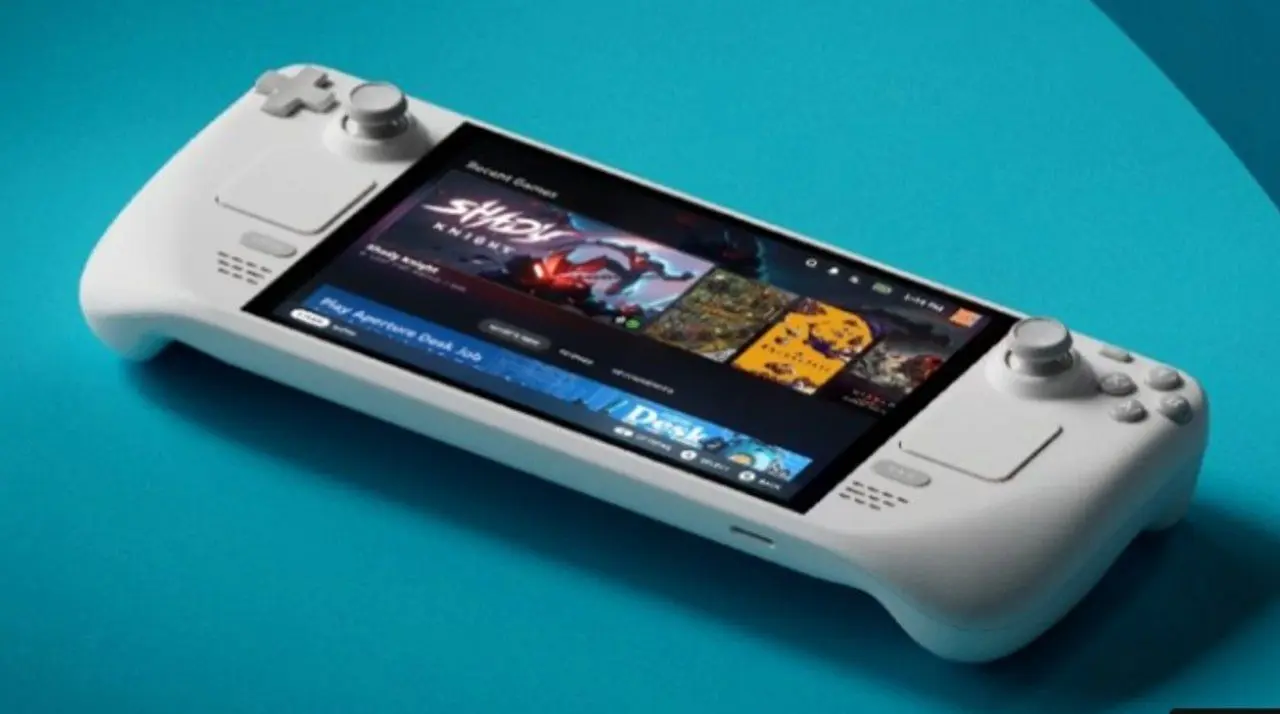
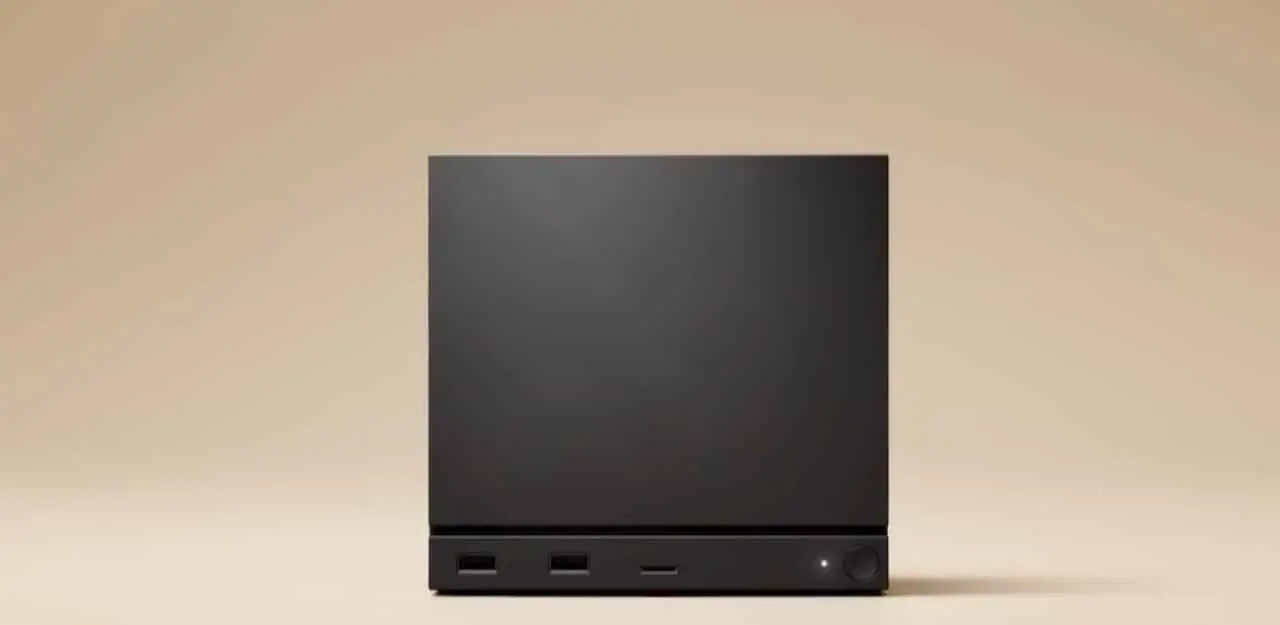
The creator of the Steam platform is already organizing guidelines for its next projects focused on the living room environment. Even before releasing the complete specifications of its future desktop computer, the corporation publicly debates the useful life of this unprecedented hardware. Professionals leading the development, such as engineer Pierre-Loup Griffais, indicate that the strategy for the domestic machine will follow a path opposite to the model adopted in the successful Steam Deck.
This change in route demonstrates a keen understanding of the current demands of electronics consumers. Portable devices require a long-lasting technical base so that game creators can extract maximum performance over the years, while the desktop ecosystem works much more fluidly. The company understands that limiting the firepower of a traditional case would be a commercial mistake, especially considering the speed with which new video cards and processors reach specialized stores.
During a conversation with the PC Gamer magazine team, company spokespeople explained the reasons behind this conceptual division. The brand’s mobile device was designed with a closed system, operating identically to conventional video games that preserve the same components for almost a decade. This format ensures that the player has stable performance anywhere, without the need to meet the minimum requirements required by major releases in the gaming industry.
Why video game manufacturing logic doesn’t work on desktop computers
From a different perspective, the new domestic project is seen by developers as an authentic personal computer, created to compete for space with machines already assembled by major retail brands. The responsible engineer pointed out that, within this specific segment, freezing hardware performance for five years or more alienates the end consumer. Anyone who purchases a high-end desktop wants to take advantage of the latest graphical advances with a much higher regularity than that seen in the world of consoles.
Learn more: Manufacturer closes Mac Pro line after two decades and consolidates Mac Studio for professional use
The current scenario presents a huge contrast in relation to the brand’s first foray into living rooms, which occurred with the old Steam Machines. At that time, the Linux system suffered from a lack of support, a problem that has now been solved by the Proton compatibility tool, capable of running Windows titles with excellence. With this software barrier overcome, the manufacturer gains momentum to renew its parts at the same pace as the computer giants, enabling new versions to be launched every one or two years.
Impact of the global economy on the planning and final value of electronics
Even with the definition of an agile schedule for updates, the development of a second version of the compact computer does not top the studio’s priorities at this time. The design team opted for a conservative approach, preferring to first analyze the reception of the debut model on the international market. The continuity of the product line will depend on consumer response and the movements of rival manufacturers during the current generation of domestic appliances.
A considerable obstacle for the entire technology industry involves the unbridled rise in factory production costs. Vital parts for building robust systems have seen significant increases recently, messing up the financial calendars of several multinationals. The developer itself recognizes that the debut value of its equipment will exceed initial estimates, reflecting the economic instabilities that make the import of essential inputs more expensive.
See Also

Hurricane Lala arrives in Hawaii with winds of 120 km/h and closes airports

Lucas, singer of the country duo Lucas & Matheus, died in Portugal after a heart attack

Workers from seven professions guarantee INSS retirement in 15 years
To understand the gravity of this industrial panorama and the reasons that increase prices in store windows, it is necessary to analyze the structural bottlenecks that affect the technology sector today:
- The price of RAM memory modules, essential components for running current games smoothly, has skyrocketed.
- Significant increase in the costs of high-capacity SSDs, which today represent the minimum standard required by studios.
- Constant lack of semiconductors on Asian assembly lines, hampering the flow of deliveries around the planet.
- Inflationary pressure that crushes companies’ profits and forces the immediate transfer of extra expenses to customers.
Decisions by Microsoft and Sony highlight the crisis in the hardware sector
The specter of inflation not only haunts the owner of the Steam store, but also affects the biggest powers in digital entertainment. Microsoft, in a decision that frustrated the gaming community, confirmed an adjustment to the price list for its high-end devices. From August onwards, the Xbox Series X and S platforms will see a considerable increase in foreign stores, repeating the unpopular strategy applied by Sony with the PlayStation 5 last year.
On the same topic: Apple discontinues Mac Pro and ends era of professional modular desktop computers
The argument used by the corporation responsible for the Windows system matches exactly the warnings issued by the creators of the new living room PC. The rise in the prices of solid state disks was identified as the main cause of this commercial readjustment. Representatives of the brand also made it clear that new increases could occur until 2027, depending exclusively on a solid and lasting recovery of the world economy.
How public reaction will define the future of living room computers
All of these financial factors create a challenging scenario that engineers need to decipher before releasing mass production of new machines. There is a palpable fear among companies that users will decide to postpone updating their cases, prolonging the use of old parts as long as possible. This cautious behavior appears as a direct response to the difficulty of paying the exorbitant amounts charged for recent launches.
The roadmap of innovations for the coming seasons will depend on the brands’ ability to combine cutting-edge technology with affordable prices for the masses of workers. Strict monitoring of purchasing habits, coupled with the expected normalization in the delivery of microchips, will serve as the main guide for the industry. Only with this consolidated data will the manufacturer determine the exact moment when new versions of its computer will reach consumers’ homes.
More on this story: Wait for Mac Studio with M3 Ultra chip exceeds three weeks and indicates arrival of M5 processor