
5.4 magnitude earthquake in Egypt triggers alerts and scares residents in Israel

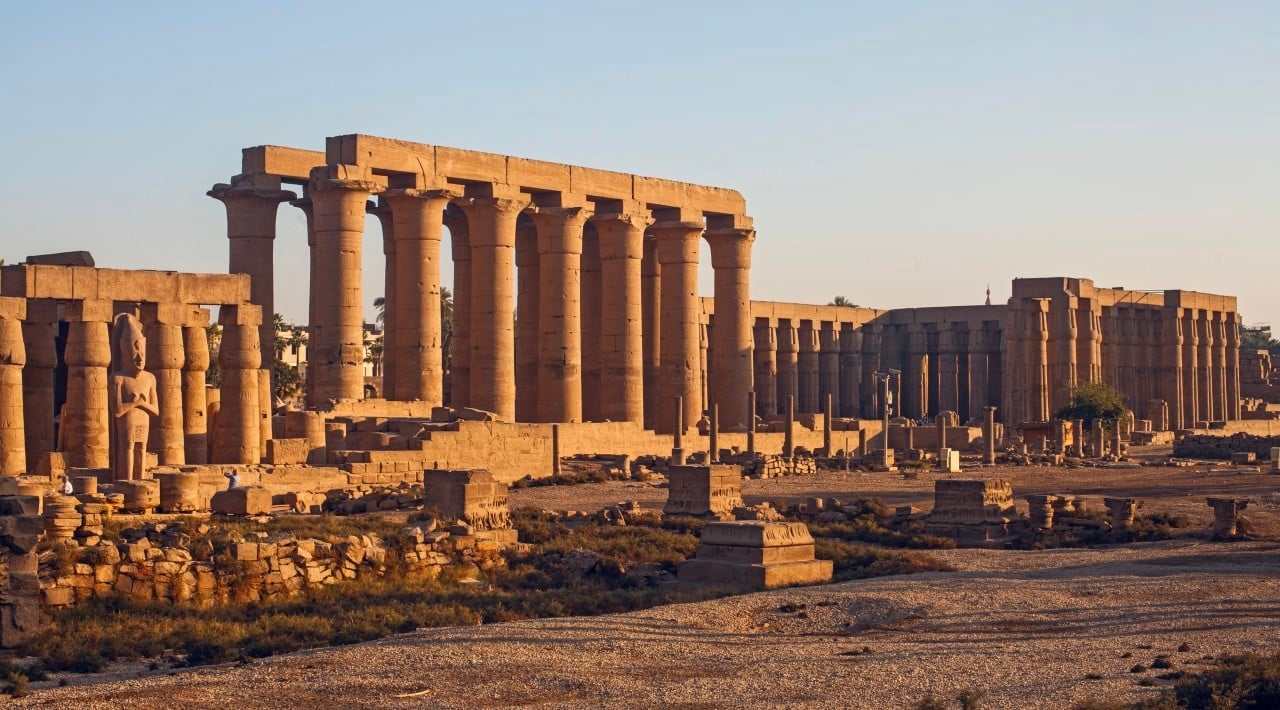
In the early hours of August 3, 2026, a strong earthquake originating in Egyptian territory interrupted the sleep of thousands of people in border regions. Residents of southern Israel and communities located around the Dead Sea reported that their homes shook noticeably. The immediate scare caused by the geological phenomenon caused local security forces to quickly activate their scanning procedures, seeking to identify possible damage to the urban fabric or risks to the population.
Events of this nature at night tend to generate greater panic, as the usual silence of cities amplifies the perception of structural noises and ground vibration. Reports shared on social media by citizens in the border area described windows shaking, furniture moving out of place and car alarms going off on their own in the streets. While emergency centers in both countries operated at maximum capacity to respond to calls, seismology experts raced against time to map the exact point of the rupture.
Technical analysis details the depth and strength of the earthquake
Researchers from the German Geosciences Research Center (GFZ), a world reference in monitoring tremors, estimated the intensity of the event at 5.4 degrees. The release of tectonic tension occurred a mere 9.6 kilometers below the surface, a depth classified as shallow by scientists. This geological characteristic means that the energy generated is transferred almost entirely to the upper ground, allowing shock waves to travel over vast territorial distances without losing their destructive force.
When the rupture occurs less than ten kilometers deep, the weakening of seismic waves is minimal compared to deep tremors in subduction zones. This technical detail clarifies why Israeli houses shook so clearly, even though they were hundreds of kilometers from the Egyptian epicenter. Although a 5.4 tremor is considered moderate and capable of compromising historic masonry, buildings built under the rigorous standards of modern engineering usually withstand the impact without major problems.
History of tensions in the tectonic fault that cuts the Middle East
The extensive strip of land that divides the African continent from the Arabian Peninsula is home to one of the most complex and active fault systems on the planet. The Dead Sea basin, specifically, rests on a transform fault where the African and Arabian tectonic plates slide sideways against each other, moving a few millimeters each year. This constant and silent friction results in the accumulation of colossal pressure in the underground rocks, which inevitably rupture and generate the tremors felt on the surface.
The geological past of this border is marked by severe episodes that reconfigured the landscape and local life. The great Gulf of Aqaba earthquake of 1995, which surpassed magnitude 7.0, remains a grim reminder of the destructive power hidden beneath the region’s soil. Due to this volatile history, any seismological record above 5 degrees immediately triggers maximum alert levels in the Jerusalem and Cairo command centers. For local governments, uninterrupted surveillance of these failures transcends science and becomes national security policy.
Rapid response by rescue teams in Egyptian territory
As soon as seismographs confirmed the magnitude of the event, the Egyptian Red Crescent activated its maximum contingency plan for natural disasters. The humanitarian entity, which acts as the regional branch of the Red Cross, promptly dispatched its standby squads to the provinces closest to the rupture zone. The main focus of these early raids was to carry out a visual and structural scan of both populated urban centers and remote villages where telephone networks could have collapsed.
The preliminary bulletins released by the organization brought immense relief to government authorities. Until the close of the morning assessments, there was no record of fatalities, serious injuries or significant collapses in the areas of direct impact. The speed with which volunteers and rescuers were mobilized demonstrated the high level of logistical preparation of the teams operating in these risk zones, demonstrating the ability to set up field hospitals and escape routes in a few hours, in the event of a calamity.
Safety and prevention guidelines for residents of the region
Knowing that aftershocks often follow the main event due to the settling of the plates, civil defense agencies have issued strict guidelines for the population. Official statements broadcast by state broadcasters reinforced the need for increased attention during the critical 48-hour window after the first shock. The public authorities appealed to citizens to remain calm, but demanded that everyone be on standby to act quickly if the ground shook intensely again.
To ensure the physical integrity of families residing in the affected provinces and border cities, security agencies have compiled a list of vital instructions:
- Immediately abandon any property that has recent cracks in the walls, visible damage to support beams or doors that suddenly begin to stick.
- Follow weather and security alerts only through government radio channels and verified institutional profiles, combating the spread of fake news.
- Leave survival kits positioned near the exit door, containing bottles of drinking water, flashlights with spare batteries, first aid items and personal documents.
- Never use elevators during earthquakes and seek shelter in open areas, keeping a safe distance from power poles, large trees and glass facades.
Advances in civil engineering prevent tragedies in risk areas
The fact that an earthquake of this magnitude did not leave a trail of immediate deaths is a direct reflection of the changes in civil construction policies adopted in recent decades. In Israel, government structural reinforcement programs have been systematically applied to adapt old buildings to new seismic resistance requirements. The objective of these regulations is to ensure that buildings are able to absorb the impact of shock waves without collapsing on residents, providing the necessary time for a safe evacuation.
On the Egyptian side, recent investments in public infrastructure also began to require much more severe geological reports before the approval of new housing complexes. Engineers and architects now use flexible foundations and materials designed to dissipate the kinetic energy generated by tectonic faults. Throughout the day, technicians from local city halls continued to carry out visual inspections of bridges, viaducts and hospitals to ensure the safety of essential services. Meanwhile, underground monitoring continues to operate at maximum capacity to anticipate any new geological anomalies in the region.





