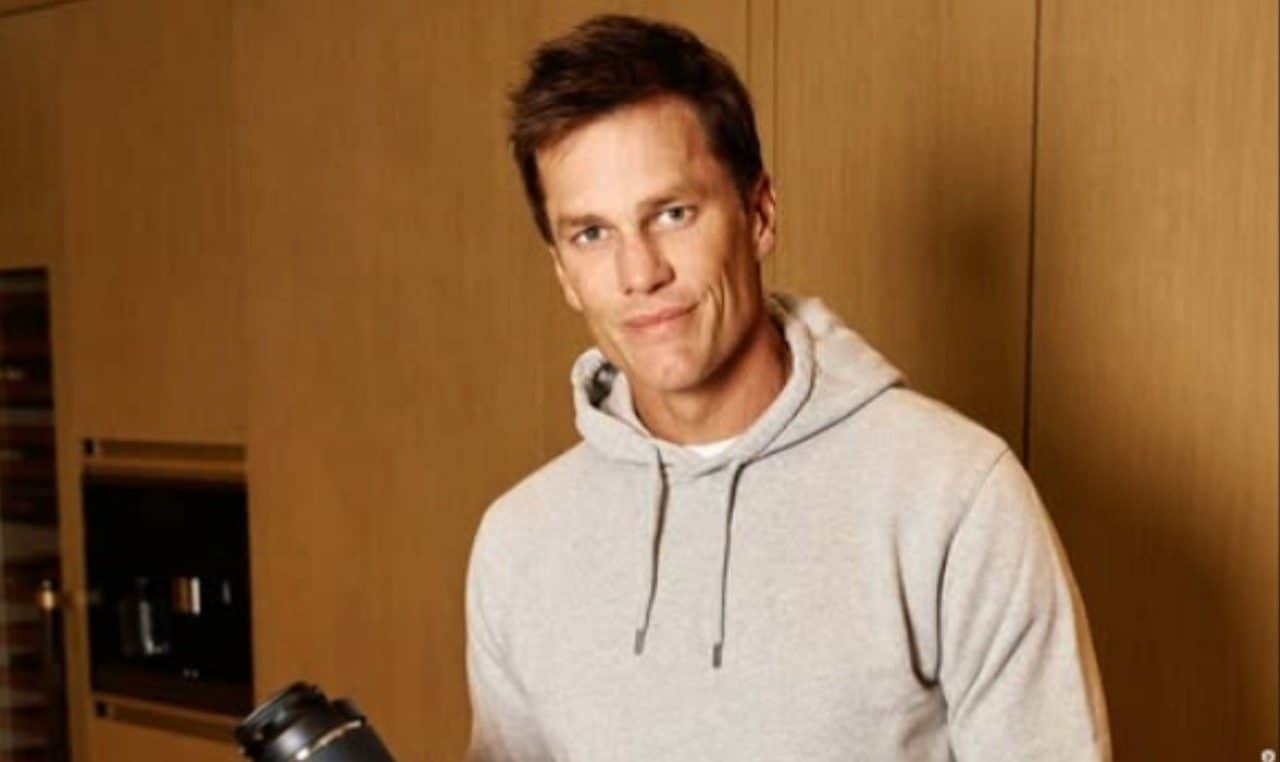
The calendar points to August 3, 2026 as a milestone in the trajectory of the man who redefined the physical and statistical limits of North American professional sport. Tom Brady celebrates his forty-ninth birthday consolidated in a transition phase that appears to be as complex as the defenses he used to read on the pitch. Four full seasons have passed since the former number 12 threw his last official ball in the league, ending a dynasty spanning more than two decades that earned him seven Super Bowl championship rings. Far from the exhausting routine of physical training and daily tactical meetings, the former athlete now navigates corporate waters, trying to balance the weight of his global image with the human need to find a new purpose. The transition of an icon of this magnitude rarely occurs smoothly, and the current moment in his life reflects an incessant search for stimuli that can, in some way, replace the adrenaline of Sunday afternoons.
For much of his youth in California, the birthday boy had a deep passion for the San Francisco 49ers, frequenting the stands at the old Candlestick Park to watch Joe Montana play. The irony of fate meant that he reached exactly the age that gave his childhood franchise its name, a team that changed the course of its professional history in the year 2000. In that college draft, the San Francisco board ignored the talent of the young man coming from the University of Michigan to select quarterback Giovanni Carmazzi in the third round. That historic rejection fueled a relentless determination that turned a sixth-round pick into the greatest player of all time, while Carmazzi never played a regular-season game. Today, far from the hurts of the past, this episode only serves as a reminder of how the initial rejection forged the mentality of a competitor who still has difficulty turning off his sporting survival instincts.
Contractual and corporate barriers prevent an official return to the fields
Recently, the internet was taken over by images of the veteran participating in a relaxed flag football event in March. Amateur videos showed intact passing mechanics and arm strength that many current league starters would envy. Taking advantage of the repercussion of the moment, the protagonist himself even publicly flirted with the idea of abandoning retirement once again, shaking up the speculation market. However, the current bureaucratic scenario makes this possibility practically null. Any attempt to sign a contract as a player would directly clash with his most recent business commitments, creating a conflict of interest that the sport’s top brass would not tolerate under any circumstances.
The main obstacle goes by the name of the Las Vegas Raiders. The former player acquired a minority stake in the Nevada desert franchise, a deal closed at considerably below standard market valuations, thanks to his influence and prestige. The league’s internal regulations strictly prohibit team owners or partners from taking the field as active athletes, a measure created to avoid salary cap maneuvers and guarantee the integrity of the competition. To wear shoulder pads again, he would need to liquidate his shares and abandon a long-term project aimed at ensuring his presence in the sport’s circle of power for decades to come. Sports finance experts point out that giving up such a valuable asset with high potential for appreciation just to satisfy a momentary desire to compete would be a primary strategic error.
Rumors about new entertainment stages and the American political scene
Without the real possibility of suffering hits from opposing defenders, the former quarterback’s accumulated energy has generated rumors in very unusual directions. Sources linked to the entertainment market suggest that there are preliminary conversations about appearances in the world of pro-wrestling, the famous choreographed fights that attract millions of spectators. Possible participation in large-scale events in this segment raises debates about the idol’s real motivations. Behavior analysts disagree whether this move would be a classic mid-life impulse, seeking the spotlight immediately, or a coldly calculated marketing strategy to rejuvenate its fan base and expand its brand to audiences that don’t follow traditional American football.
Parallel to the rumors about the rings, the businessman’s name also occasionally circulates in conversations about the future of presidential politics in the United States. Although he has never openly declared a party affiliation or intention to run for public office, the mere mention of his name demonstrates the amount of social capital he has accumulated. Public figures with a very high level of national recognition are often scouted by political strategists, and the transition of sports or television celebrities to the White House stopped being a theoretical impossibility a long time ago. However, delving into the toxic environment of election campaigns would require a level of personal exposure that contrasts sharply with the strict control he has always maintained over his public image.
The multiple fronts of action of an executive in the adaptation phase
Trying to organize his routine away from the stadiums, the 49-year-old newcomer uses his direct communication channels with fans to share personal reflections. In recent editions of his digital newsletter, he devoted long paragraphs to the importance of maintaining “balance” in everyday life. The theory, however, seems far from the accelerated practice that he imposes on himself. Executives who work closely with the former champion report a chronic difficulty in focusing on just one project, dividing their attention between several industries simultaneously. Career management professionals often advise that high-impact figures choose a single post-retirement path to ensure excellence, but this conservative guide has been summarily ignored by businesspeople.
The former athlete’s current portfolio of activities demonstrates a refusal to slow down, encompassing commitments that would require exclusive dedication from most professionals. Its main work fronts today include:
- A long-term, billion-dollar contract as main analyst and commentator for Fox Sports, requiring weekly travel and intense tactical preparation.
- Actively managing his stake in the Las Vegas Raiders, participating in meetings regarding the future of the franchise and infrastructure development.
- Command of own brands aimed at the health, high-performance nutrition and technological sportswear market.
- The production of audiovisual content and documentaries through its independent production company, focusing on stories of overcoming in sport.
Delivering excellent results in the broadcast booth and in a team’s boardrooms at the same time represents a formidable logistical and intellectual challenge. The learning curve in live television is relentless, requiring charisma, quick response time and the ability to translate complex concepts for a lay audience. At the same time, working as a top hat demands patience, analyzing financial spreadsheets and silent negotiations behind the scenes. Contrary to expectations that he would eventually choose just one of these paths, all indications point to him maintaining this double, or even triple, agenda for an indefinite period, testing the limits of his own time management capacity.
The complex psychological search for an irreplaceable adrenaline rush
Close observers and sports psychologists believe that this professional hyperactivity hides a much deeper issue than the simple desire to accumulate capital. There is a consensus that the former player’s life would be considerably calmer if he could identify a single occupation that brought him peace of mind. The extreme diversification of its businesses seems to function as a defense mechanism against the silence of an empty agenda. For someone who has spent a lifetime being measured by weekly wins and losses in front of millions of people, the absence of a clear scoreboard in corporate life can generate a feeling of profound disorientation.
The stark reality is that high-performance sport provided a level of fulfillment and belonging that no conference room or television studio can replicate. The void left by the absence of championship Sundays is a chronic condition faced by almost all elite athletes, but it takes on gigantic proportions when it comes to such a dominant figure. The continuous effort to embrace new ventures, close astronomical contracts and flirt with different industries does not just represent a sharp business vision. It is, in essence, an exhausting journey of trying to find any spark that resonates in your mind with the same intensity and clarity as a perfect touchdown pass in the final seconds of a decisive game.