
Apple’s revolution with iOS 27 to overcome ChatGPT on cell phones

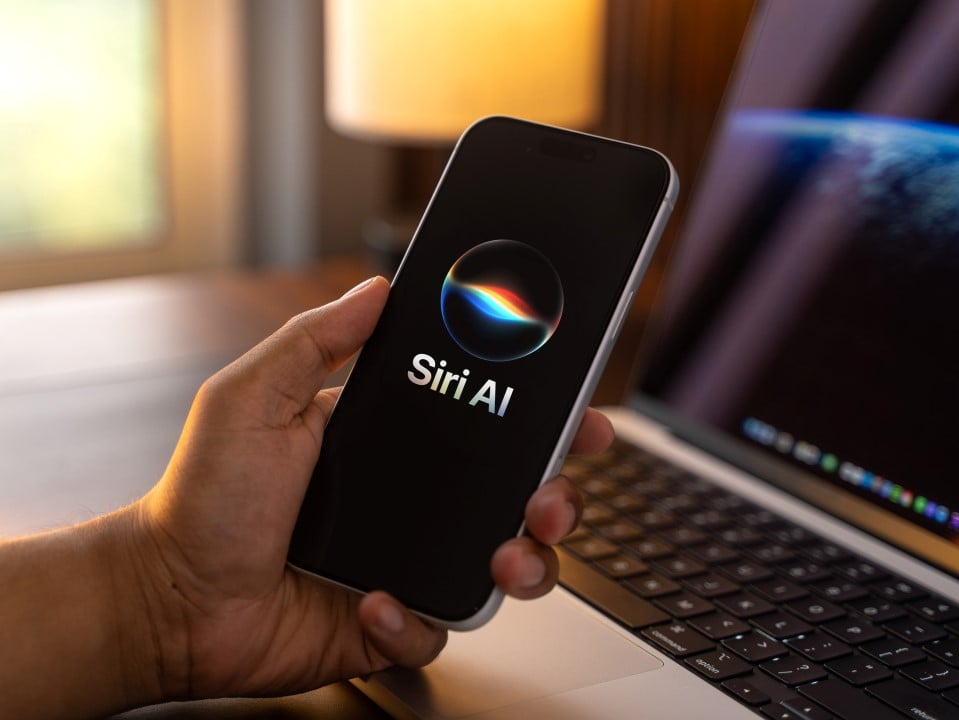
Apple decided to radically transform the way we interact with our smartphones through the arrival of iOS 27, marking its definitive entry into the generative artificial intelligence race. Originally launched in 2011 as a simple command tool, the brand’s virtual assistant has evolved into a deep cognitive system, which can now analyze the content displayed on the screen and cross-reference usage history data. This paradigm shift allows the software to perform integrated tasks between different applications on the cell phone itself, eliminating dependence on third-party platforms. The movement represents a direct response to the advancement of major competitors, offering consumers a much more fluid and contextualized level of interaction.
The cost of innovation and compatibility restrictions on devices
To access this new level of processing, users will face a strict hardware filter, imposed by the need for very high-performance Neural Processing Units (NPUs). In practice, Apple restricted the new feature to owners of the iPhone 15 Pro onwards, leaving out the entire line of previous conventional models. Anyone using Mac computers or iPad tablets also needs chips from the M1, A17 Pro family or newer generations, in addition to being on a waiting list for the feature to be activated. In times when the cell phone is not up to the task and needs external servers, the manufacturer will guarantee cloud processing at no additional cost for subscribers of the iCloud+ service.
On the other hand, OpenAI’s strategy is committed to popularizing the technology, requiring much more modest specifications for the operation of its platform. The ChatGPT app runs perfectly on older operating systems, such as iOS 17, iPadOS 17 and macOS 14, ensuring access to a huge base of people who don’t plan on upgrading their electronics in the short term. Although both companies offer high-quality free versions, the creator of the conversational robot focuses on monetizing its more advanced tools, charging monthly fees ranging from eight to one hundred dollars in the American market for the Go, Plus and Pro plans.
Personality differences and efficiency during everyday use
When put to the test in routine situations, such as searching for sports results, following a recipe step by step or solving technical problems, both systems perform excellently. The main difference lies in the tone of the conversation: the iPhone assistant adopts a strictly objective and professional stance, cutting jokes and avoiding unnecessary animations on the screen. Apple prioritizes delivering accurate information without prolonging the dialogue, which contrasts sharply with its rival’s communicative and detail-oriented style, even though the two technologies share the defect of generating incorrect responses or hallucinations from time to time.
The great difference of the solution developed in Cupertino is its deep integration with the core of the operating system, a level of permission that Apple would never grant to an outside application. This built-in intelligence has the autonomy to change device settings, send messages via WhatsApp or iMessage and restructure the user’s schedule without the need to open multiple screens. Thanks to an improved natural language engine, it is possible to give three or four different commands in a single sentence, and the cell phone will process them all at the same time, something impossible for competing software due to the ecosystem’s security locks.
To illustrate this ability, think about the situation of seeing a photo of a European castle on Instagram and asking the assistant where that place is. Immediately after receiving the response, the user can ask the system to create a travel itinerary in the Notes application, plot the route in Maps and start a themed playlist in Apple Music, all of this continuously and without leaving the social network. This impeccable orchestration, which combines data from the web with total control over installed programs, creates a usability advantage that no other developer can match on the iPhone.
How each company manages customers’ memory and personal data
Each tech giant’s corporate philosophies shape how they approach experience personalization, affecting both data protection and the fluidity of everyday conversations. The iOS 27 system focuses on searching files physically saved on the device to understand the owner’s context, but fails to create a logical connection between different usage sessions. To better understand the approaches, it is necessary to note the following points:
- Apple’s native tool analyzes your Safari history, photo library, and email inbox to find specific information in seconds.
- The iPhone assistant treats each interaction in isolation, not having a menu where the user can reread or continue conversations from previous days.
- OpenAI’s intelligence uses continuous memory, remembering personal tastes and allowing you to resume any old chat.
- The competing robot offers options to adjust the personality of the response, being able to adopt a more academic, relaxed or corporate language.
For the public who sees artificial intelligence purely as a productivity tool to save time, Apple’s cold objectivity ends up being the most appropriate path. The Californian company does not aim to simulate feelings, create virtual friendships or develop a complex persona, focusing all its efforts on delivering the right answer in the shortest possible time.
Technological bottlenecks in visual creation and spoken dialogue
The technical disparity between the two platforms is highlighted in the audio and video resources. During a voice conversation with the iPhone system, the user needs to wait for the machine to finish speaking before they can correct an error or add a detail. On the other hand, the rival application understands human interruptions in a natural way, allowing the person to change the subject in the middle of the sentence, in addition to having a live video analysis feature through the cell phone lens, while Apple remains limited to reading static images.
In the area of imaging, the difference in visual quality is still stark. Although the mobile operating system update left behind iOS 26’s cartoonish style and adopted photographic textures, Apple’s results often present anomalies and distortions when placed side by side with OpenAI’s engine refinement. Added to this, the lack of an integrated tool for creating short videos leaves iPhone users dependent on external solutions for more creative tasks.
The focus on the corporate market and the war for cybersecurity
The ecosystem developed by the creator of ChatGPT offers a range of options aimed at the corporate environment that goes beyond the borders of a smartphone. With the arrival of the Atlas browser for the macOS system, the integration of plugins, the reading of health data and the creation of personalized robots, the service functions as a true work center. Even though the new iPhone features a native shortcut to activate this external intelligence, this bridge is only for quick queries and does not replace the firepower of the original application.
The iPhone maker’s greatest asset, however, is its non-negotiable cyber protection policy. The iOS structure ensures that no information processed inside the cell phone’s chip is sent to train the company’s language models, unless the customer activates this option manually. Its main competitor’s business model works in the opposite way, forcing users to scour the app’s settings to prohibit data collection, a practice that tends to expose the privacy of people with less technical knowledge.
The future of automation and the ideal profile for each platform
The current artificial intelligence landscape divides consumers based on their daily needs and level of paranoia about digital security. People just looking for an efficient assistant to automate basic tasks while keeping their confidential data locked away on hardware will find Apple’s new interface the perfect solution. The guarantee that conversations and habits will not become a product to feed other people’s servers is a powerful attraction for those who value privacy above experimental resources.
On the other hand, professionals who depend on generating complex codes, analyzing spreadsheets and writing extensive reports will continue to use dedicated and more robust platforms. The restructuring of Apple’s virtual assistant was designed for a more conservative audience, which seeks practical and smooth automation. The peaceful coexistence of these two technology visions proves that the sector has reached a level of maturity capable of delivering specific tools, serving both the common user and the corporate specialist with excellence.





