The month of August 2026 promises a true spectacle in the night sky, inviting enthusiasts and the curious to direct their gaze to the heights. With the long-awaited Perseid meteor shower already showing its first signs, the firmament is preparing for a period of intense astronomical activity. In addition to the “shooting stars” that streak across the sky, other notable celestial phenomena will make the first week of the month a special time for observation, offering a unique opportunity to connect with the cosmos.
Unraveling the Perseid meteor shower: origin and characteristics
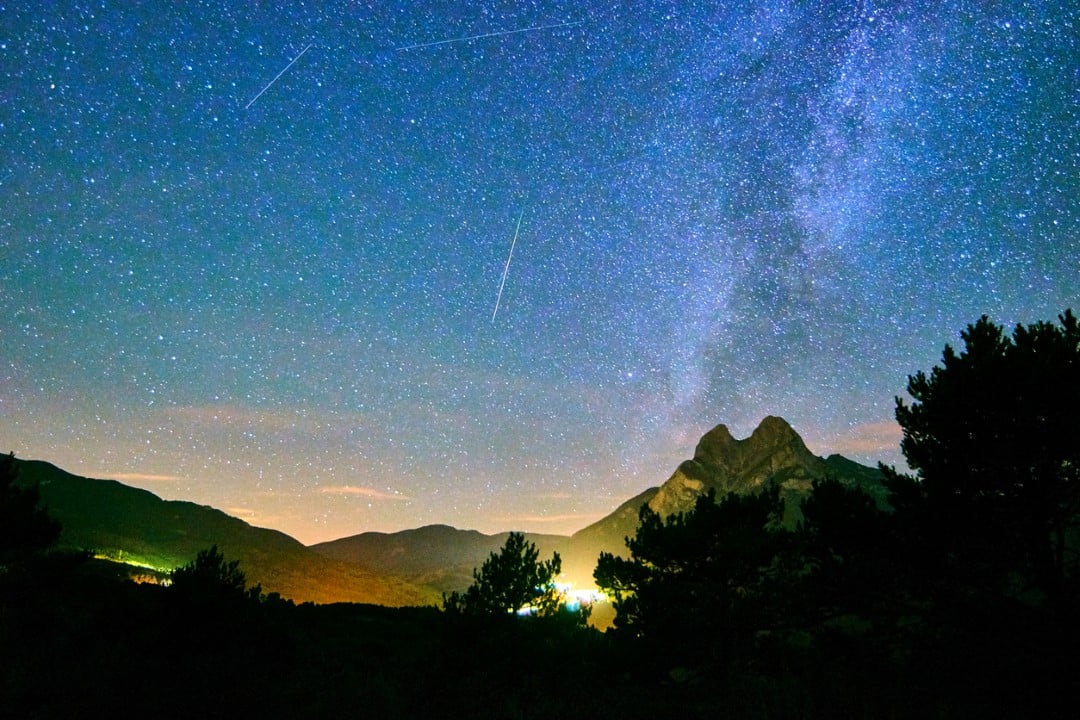
The Perseid meteor shower is recognized as one of the most spectacular and easily observable annual astronomical events. It occurs when the Earth, in its orbit, crosses the trail of debris left by comet Swift-Tuttle, also designated as 109P/Swift-Tuttle. These dust particles, often the size of small grains of sand, enter the Earth’s atmosphere at a breakneck speed of 59 kilometers per second. Friction with the air causes them to burn, producing vivid and rapid trails of light, popularly known as “shooting stars”. The American Meteor Society (AMS) details that the high speed of the Perseids can create bright, persistent “meteor trails” that remain visible for a brief moment in the night sky. Although the peak of activity is expected for August 13, observers can already see a few meteors per hour in this period leading up to the event’s climax.
Guide to observing shooting stars and other celestial phenomena
For astronomy lovers, the first week of August 2026 offers privileged observation conditions, mainly due to the lunar phase. From August 6th, the moon reaches its last quarter, and its rise after midnight ensures that the night sky remains uninterrupted by its luminosity for approximately ten nights. This darkness is a crucial factor in the visibility of meteors and other celestial bodies with greater clarity. To maximize your chances of seeing the Perseids, it is recommended to look for a location with little light pollution. After dark, position yourself and look northeast, allowing your eyes to adapt to the darkness for about 20 to 30 minutes. Although the “radiant point” from which the meteors appear to emerge is in the constellation Perseus, it is possible for them to appear anywhere in the sky. Patience is key, as flashes can be quick and unexpected.
Calendar of special astronomical events for the first week of August 2026
In addition to the exciting Perseid meteor shower, the August 2026 sky holds other noteworthy spectacles:
- August 6:The moon’s transition into the last quarter phase marks the beginning of a period of darker skies. The absence of lunar light will allow the first Perseid meteors to be more easily identified after midnight.
- August 7th and 8th:A thin crescent moon will make a visual alignment with the famous Pleiades star cluster (also known as Subaru), situated in the constellation Taurus. These two celestial bodies will rise almost simultaneously after midnight and will cross the night sky together, providing a beautiful composition.
- August 9:In the early morning hours, observers will have the chance to spot an even thinner crescent moon (approximately 26 lunar days in age) rising next to the planet Mars. This planetary-lunar encounter offers an opportunity to identify the two stars close to each other on the eastern horizon.
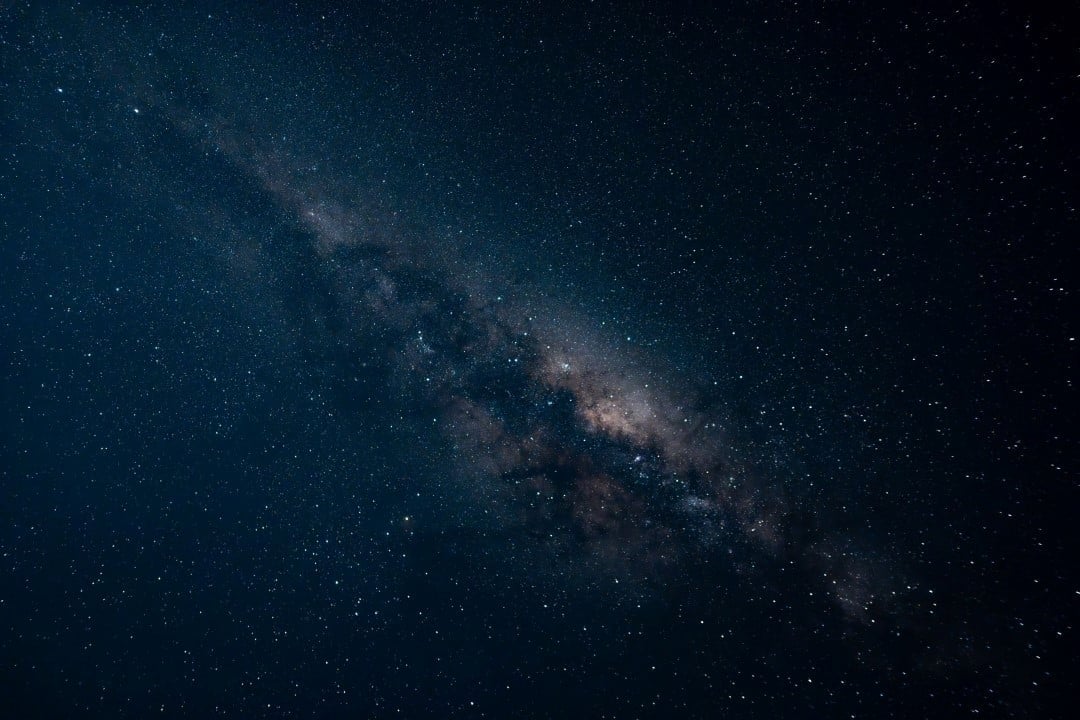
- The beginning of August 2026 also marks the closest approach of a comet to the Sun, a significant event for astronomers. Additionally, the Swan constellation can serve as a useful guide for locating the Milky Way in dark skies, and there is the possibility of spotting the “evening star.”
The importance of darkness for immersion in cosmic observation
The quality of astronomical observation is directly linked to the absence of light pollution. A truly dark sky not only enhances the visibility of meteor showers, such as the Perseids, but also allows the contemplation of nebulae, star clusters and the Milky Way itself in its entirety. The moonless period, which begins after August 6, creates a golden window for amateur astronomers and the general public. It is an invitation to seek out locations far from urban centers, where the intervention of artificial light is minimal. In doing so, the experience of looking at the universe becomes deeper and more revealing, allowing the grandeur of the cosmos to be fully appreciated. The ability to spot phenomena such as a possible “Nova explosion” – if it occurs and is visible – or the faint traces of comets, is amplified by darkness, making each moment of observation a special connection with space.