
Drastic increase in the value of Xbox consoles generates strong revolt in the gaming community

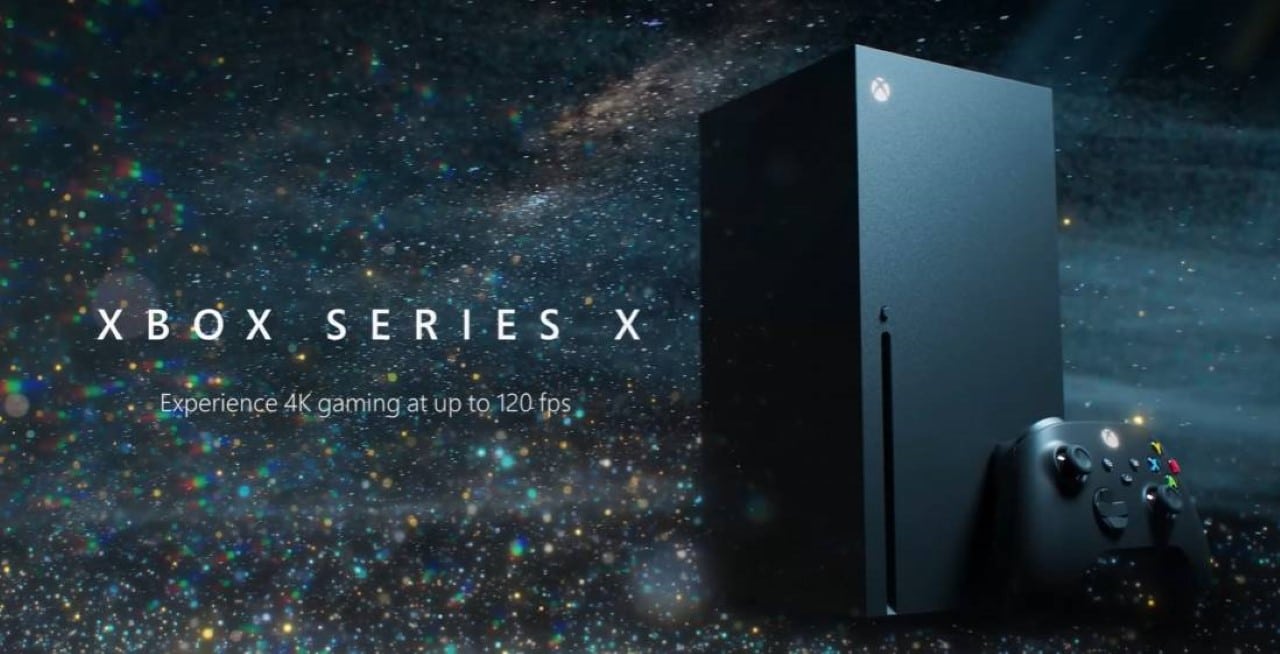
The technology giant has officially made a severe adjustment in the acquisition costs of its video game devices in the European market, with jumps exceeding the 30% mark. The announcement, made on August 3, 2026, took a large part of consumers by surprise and triggered a wave of severe criticism on social networks and forums dedicated to digital entertainment.
The possibility of a change in labels had already been circulating behind the scenes since a statement issued by the company in mid-June. However, the exact numbers that would apply to buyers in the United Kingdom and other nations on the European continent remained under lock and key by the manufacturer until this official confirmation.

In the North American market, the corporation had already anticipated the new commercial policy for its hardware. The entry-level device with 512 GB storage was increased by US$100, while editions with 1 TB capacity were US$150 more expensive for the end consumer. Additionally, the 2TB variant will be removed from shelves entirely, a decision driven by high manufacturing costs that made the product financially unsustainable.
The scenario is even more drastic for British and European players, where the conversion of local currencies resulted in frightening jumps. Looking at the UK market, the most basic 512GB model jumped from £299 to £429, weighing £130 more on the customer’s pocket. The 1TB mid-range edition followed the upward trend, going from £349 to £519, which is an additional £170 hit.
The brand’s cutting-edge hardware did not escape this financial restructuring. The exclusively digital version with 1 TB of internal space increased by £ 170, going from £ 449 to £ 619. The biggest shock, however, was reserved for the device equipped with a physical media reader: the value soared from £ 449 to an impressive £ 669, representing inflation of 48% and a brutal difference of £ 220.
Change in the company’s focus opens up space to remember great classics from the past
For the most loyal fan base, the brand represents much more than a simple device connected to the television, evoking memories of innovative controls, customizable profiles and the satisfaction of unlocking virtual achievements. Today, the manufacturer directs its efforts towards distributing titles on multiple platforms and developing portable devices based on the Windows system, raising doubts about the continuity of traditional hardware. Taking advantage of this moment of structural transition, the ideal opportunity arises to rescue the memory of works that defined the system’s identity. A special selection is being prepared to list the 100 most impactful productions in this ecosystem, with daily revelations scheduled between January 20th and 23rd, culminating in the announcement of the great champion.
The interactive experience that turned players into game show participants
One of the milestones in this trajectory was an ambitious bet on live entertainment, where thousands of users connected simultaneously to compete for real rewards. Based on a well-known television format, the system organized the audience into three distinct groups, placing a single competitor in the spotlight to answer general knowledge questions against the rest of the community. Winners took home everything from virtual coins to complete copies of other digital works. Although the initiative only lasted two phases of operation, it proved that it was possible to combine social interaction and large-scale game mechanics, ensuring its place in the platform’s history.
The return of a foul-mouthed squirrel that tested the graphic limits of the time
When the technology giant spent US$375 million to acquire a renowned British studio, expectations reached a fever pitch. The first fruit of this union was the recreation of an irreverent adventure originating from the 90s, which gained survival with the addition of multiplayer combats over the internet. What really impressed the audience, besides the acid humor and chaotic battles, was the technical leap provided by the new hardware. Advanced processing allowed for realistic rendering of fur on characters, delivering a look that felt like it belonged in a future generation. Interestingly, even with all the technological advances, the new version ended up suffering more adult content cuts than the original work.
The creation of a sports simulator that dominated online matches
There was a time when the main sports game producers refused to support the console’s online network, forcing the manufacturer to create its own competitive alternatives. From this effort, a court simulator was born that quickly became a reference in the genre. The title allowed users to create athletes from scratch, evolve their attributes in a robust campaign mode and, most importantly, take these characters to compete for positions in a global internet ranking. The stability of the connections and the precision of the controls made this work the definitive experience for lovers of racket sports.
Science fiction and voice commands marked the era of cult action games
The second generation of the company’s hardware became famous for hosting productions that did not necessarily break sales records, but gained legions of fervent admirers. An excellent example is the futuristic adventure developed by the same creators of renowned franchises about the Japanese mafia. The title mixed tactical shooting with an innovative mechanic: the possibility of giving direct orders to allies controlled by artificial intelligence using the player’s own voice. Whether through a standard microphone or the company’s motion sensor, the recognition feature in multiple languages brought an extra layer of immersion that, even with some execution flaws, guaranteed the work its cult classic status.
Returning to the current scenario, dissatisfaction with the new charging tables dominated the internet discussion spaces. A visitor to a specialized portal classified the decision as the definitive blow against the survival of the device on the market. In a mocking tone, another internet user congratulated the executive team, stating that the measure would certainly cause stocks to run out. The rejection of values was summed up by a consumer who declared that it was unthinkable to pay almost £700 for equipment with a disc player in the year 2026.
The shock with product inflation continued to echo in several posts. A user expressed confusion when trying to understand the mathematical logic that makes a device launched almost six years ago for €499 suddenly jump to €799. The marketing distortion became even more evident when a fan pointed out that the entry-level edition with 1 TB of storage now requires an investment €100 higher than what was charged for the most powerful model on the day of its global launch.
What the billing tables look like for North American consumers
- Entry Edition with 512 GB: jump from US$399.99 to the US$499.99 mark
- Entry edition with 1 TB: increase from US$449.99 to US$599.99
- High-performance model without reader (1 TB): increase from US$599.99 to US$749.99
- High-Performance Model with Reader (1TB): Increased from $649.99 to $799.99
Financial impact for players residing in the UK
- Basic 512GB device: changes from £299.99 to £429.99
- Entry-level 1TB device: rises from £349.99 to £519.99
- Digital premium version (1TB): changing from £449.99 to £619.99
- Premium physical version (1TB): escalated from £499.99 to £669.99
New labels applied to continental European countries
- 512GB starter device: growth from €349.99 to €499.99
- 1TB starter device: Upgrade from €399.99 to €599.99
- Advanced diskless equipment (1TB): jump from €549.99 to €749.99
- Advanced equipment with disk (1 TB): inflation from €599.99 to €799.99
During the month of June, the corporation tried to justify the imminent escalation in shelf costs. The main allegation was that the fundamental parts for assembly, specifically the memory and internal storage modules, were more than two and a half times more expensive on the wholesale market. The executives also warned that economic projections indicate that these inputs should double in value again by the last quarter of 2027.
The official position highlighted that the global shortage of semiconductors affects the entire electronics chain, but affects the video games sector in a devastating way. Historically, the industry operates under a subsidy model, where hardware is sold at a loss at the factory to build a user base, with the profit recovered later through software sales and monthly subscriptions. With the explosion in production costs, absorbing this financial difference has become an unsustainable operation for manufacturers.
This readjustment of labels comes on the eve of one of the most crucial moments of the decade for digital entertainment: the arrival of GTA 6, scheduled for November. Considering that the previous title in the franchise surpassed the mark of 190 million copies sold, the new release should generate an unprecedented rush to stores in search of new generation devices. The market’s biggest fear is that both Sony and Microsoft will face a logistical collapse, as the massive demand for chips aimed at processing artificial intelligence is monopolizing global assembly lines and making any technological product more expensive.
In the first months of 2026, the main executive of the company’s games division, Asha Sharma, was already preparing the ground for this reality. She argued that runaway inflation in silicon manufacturing will force technology giants to adopt completely novel business strategies to survive. The director was emphatic in declaring that the traditional model’s days are numbered, as the current economy makes it unfeasible for ordinary families to be able to invest thousands of dollars just to purchase the box for a next generation video game.
The current hardware cycle has broken a historical rule in the sector: instead of becoming cheaper over the years, devices are becoming more expensive. The main Japanese competitor had already adjusted the PlayStation 5 label in March, blaming global financial instability for the unpopular decision. The giant responsible for Mario also felt the blow, confirming that the successor to the Switch will hit stores with an initial cost much higher than expected. Even initiatives focused on living room computers suffered losses, with the creator of the Steam platform abandoning the promise of popular prices to launch its new machine for the restrictive price of US$1,049.



