
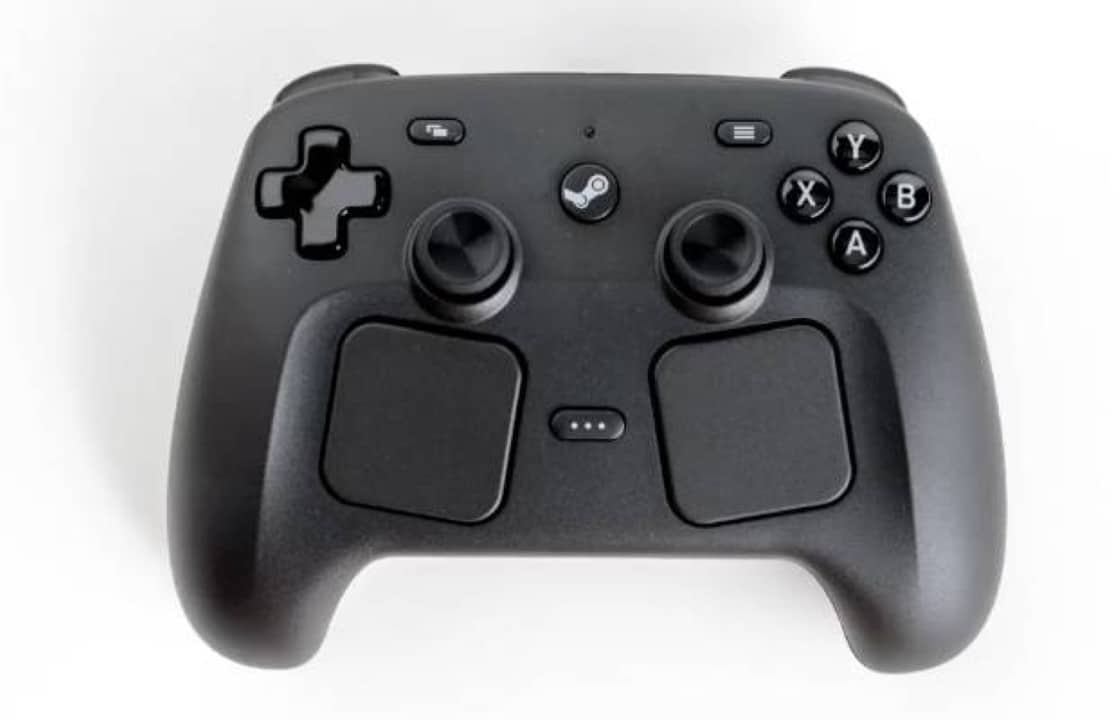
Valve’s trajectory in the hardware market has always been marked by ups and downs, and the story of its first control peripheral perfectly illustrates this scenario of experimentation. Originally launched in November 2015 for US$49.99, the pioneering device reached the mark of approximately 1.6 million units sold during its four years of useful life, until it was officially discontinued at the end of 2019. At the time of production closure, the manufacturer carried out an aggressive inventory burn, offering the last units for a mere five pounds sterling, which generated a frenetic race among collectors and enthusiasts. Despite this commercially dismal end, the seed of the company’s physical ecosystem was planted, and public interest in these innovations resurfaced explosively years later, driven by the resounding global success of the Steam Deck portable.
The impact of screenless design and acceptance of the new form factor
With the arrival of the long-awaited 2026 edition, the PC gaming giant presents a device that works, in practice, like a Steam Deck devoid of its central display and internal processing components. Unlike what happened in the last generation, current consumers purchase the product without relying on a feeling of nostalgia, but rather based on the trust established by the brand’s portable console over the last few years. The consolidation of this ecosystem proved to the most skeptical gamers that the use of two touch-sensitive trackpads was not just a passing marketing gimmick or a design eccentricity. On the contrary, this engineering approach has proven to be a highly effective and long-lasting solution for translating complex keyboard and mouse commands directly to the palm of your hands.
On the same topic: Valve anticipates the market and releases the use of Switch 2 and GameCube controls on PC
Analyzing the scenario in retrospect, it is clear that the company’s engineers were right about the revolutionary potential of that first project from 2015. Complex strategy titles, such as the acclaimed Civilization V, already demonstrated surprising fluidity when played with touch panels, delivering precision unthinkable with conventional joysticks. After intensive testing with the newly launched 2026 model, the technical community reports an extremely high level of enthusiasm with the improved ergonomics. However, it is essential to highlight that the corporation faced severe legal obstacles on this journey, culminating in the loss of a four million dollar lawsuit against Ironburg Inventions, a subsidiary of SCUF, due to patent infringements related to the rear buttons. Even with this financial and legal setback, the manufacturer managed to overcome intellectual property limitations and deliver technical improvements that place the accessory in a category of its own.
Compatibility limitations frustrate users on alternative platforms
Despite all the ergonomic advances, buyers run into a frustrating technological barrier when trying to expand the equipment’s use outside of its natural habitat. When connected to devices that do not have the store’s official client installed — such as Mac computers, Xiaomi TV Box multimedia centers or development boards such as the Orange Pi Zero 3W — the accessory is simply not recognized as a standard video game controller. This software restriction causes enormous surprise in the gaming community, especially since we are dealing with a product whose main purpose and physical format clearly indicate that it is a gamepad. Consequently, while the navigation and gameplay experience borders on perfection within the environment controlled by the developer, the usefulness of the hardware drops drastically when inserted into third-party ecosystems.
Haptic technology and the industry’s resistance to adopting new standards
The great technological difference that supports the identity of this project lies in the trackpads equipped with advanced haptic response, capable of simulating the scrolling texture of physical mice. This launch marks the third time that the corporation has invested in this tactile interface, following in the footsteps of the original peripheral and its popular portable PC. Interestingly, even after more than ten years since the introduction of this concept on the market, the overwhelming majority of competing companies prefer to ignore touch panels in their projects. The current industry trend focuses on solving chronic durability and customization problems, investing heavily in other areas of peripheral engineering.
More on this story: Valve anticipates the market and releases the use of Switch 2 and GameCube controls on PC
- Hall effect magnetic sensors to prevent physical wear and axis deviation of the analogues.
- Programmable rear triggers for quick shortcuts in competitive shooters.
- Interchangeable directional modules that allow complete customization of the layout by the user.
- Asymmetric vibration systems located on the handles for greater immersion.
While the market focuses on these listed mechanical improvements, the true genius of the Half-Life creator manifests itself through its background programming solutions. The system known as Steam Input acts as a powerful universal command translation layer, initially developed to enable the 2015 controller to work in games that did not have native support. Ironically, this software tool became so robust that it directly benefited rival companies’ products. It is thanks to this invisible interface that PC gamers can connect a PlayStation 5 DualSense or a Nintendo Switch Pro Controller and play immediately, without relying on complex official drivers provided by Sony or Nintendo.
The legacy of free software and the dependence on intermediate interfaces
While it’s difficult to attribute all of this remapping platform’s success solely to yesteryear hardware, the end result serves as an excellent consolation prize for the company’s development team. The management application operates completely free of charge, processing signals from devices from different brands without generating any direct revenue for the company. This is a genuine innovation that has shaped the way we consume digital entertainment on the modern computer, deserving widespread recognition from the community. The creation of this digital bridge was born out of an urgent technical need, as the exotic combination of two touch panels and a single analog required an efficient translator to talk to traditional games, and this architecture proved so vital that it survived the death of its inspirational product.
Technical analysis reveals how the operating system identifies the peripheral
To understand the root of the non-optimal compatibility issue, experts performed rigorous Bluetooth connection testing on Apple computers, ensuring that the store’s customer was completely shut down during the process. When analyzing the operating system’s internal records, it was discovered that the hardware has the supplier code (Vendor ID) 0x28DE and the product code (Product ID) 0x1303, unique identifiers registered by the manufacturer for USB and wireless communication. A deeper reading of the pairing data, known technically as DeviceUsagePairs, revealed an unusual factory configuration. The host system sees the equipment simultaneously as a traditional mouse ({1,2}), a pointing device ({1,1}), a generic keyboard ({1,6}) and a manufacturer-defined command page ({65280,1}), which serves as an encrypted and private communication channel for firmware updates.
The most alarming data from this technical scan is the total absence of digital signatures that characterize a gamepad ({1,5}) or a joystick ({1,4}) in universal human interface communication protocols. In practice, this means that, when stripped of its companion software, the modern and expensive device from 2026 is demoted by the operating system to functioning only as an ergonomically shaped wireless mouse. This architectural limitation makes direct use on cloud gaming platforms or emulators running on alternative systems unfeasible, forcing consumers to remain hostage to the original ecosystem and severely limiting the potential of a premium device.