
Apple confirms launch of the iPhone 18 Pro Max and presents its first foldable cell phone

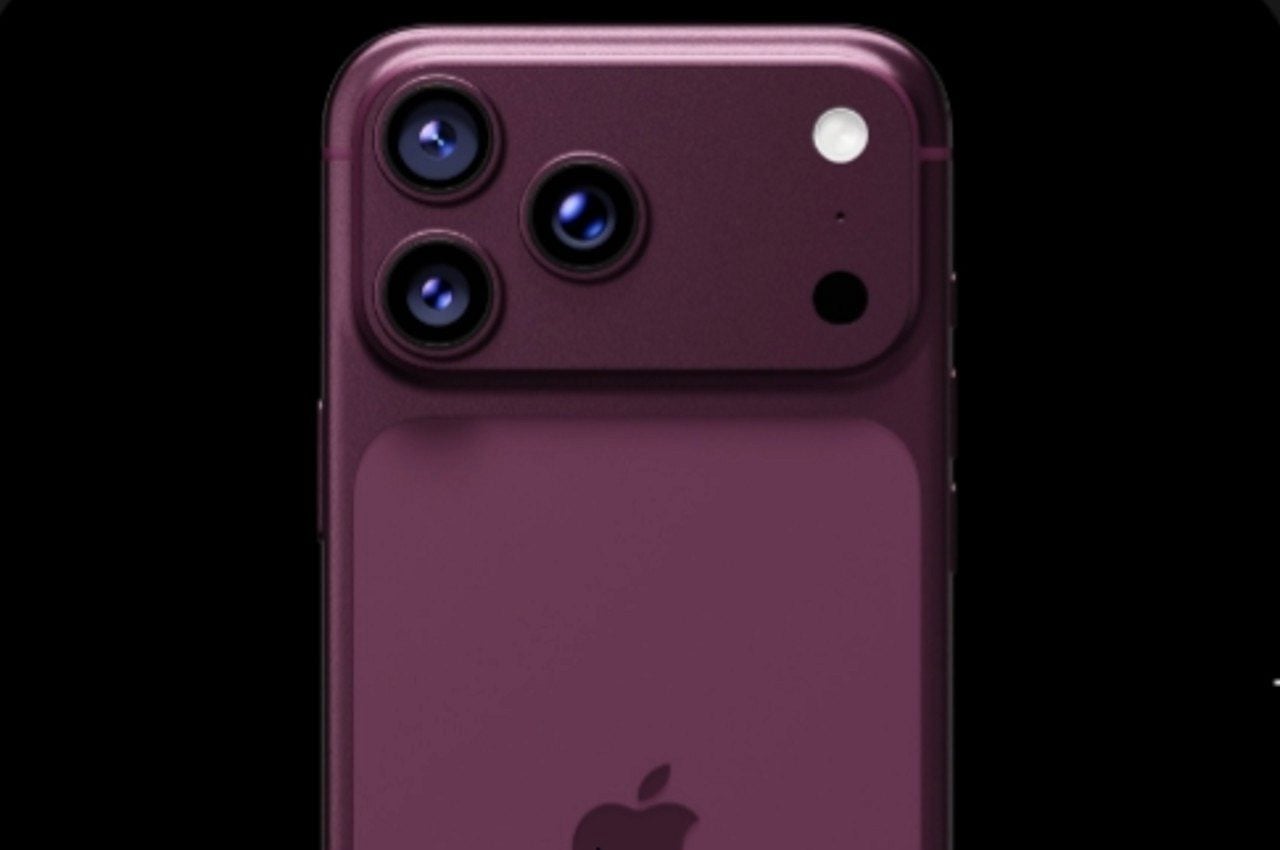
The Cupertino giant officially announced the arrival of its new generation of smartphones, highlighting the powerful iPhone 18 Pro Max, which now sports a 200 MP telephoto lens and an unprecedented variable aperture system for capturing light. The high-end device features robust specifications, including a 6.9-inch LTPO Super Retina XDR OLED display, the brand new A20 Pro processor manufactured in 2 nm and a 5,200 mAh battery. In addition to the traditional model, the company surprised the market by revealing the long-awaited iPhone Fold, marking its debut in the flexible screen segment. The entire line is expected to hit stores in September 2026, with the Pro Max model starting at US$1,199.
Photographic innovations transform cell phones into professional equipment
The new device’s optical set represents a significant leap for content creators, bringing the cell phone’s quality closer to that of dedicated cameras. The main lens received the largest sensor ever used by the brand, measuring 1/1.12 inch, ensuring impeccable recordings even in environments with poor lighting. The big difference, however, is the variable aperture technology, which allows real-time adjustments in depth of field, a feature that until then was exclusive to high-cost DSLR and mirrorless cameras.
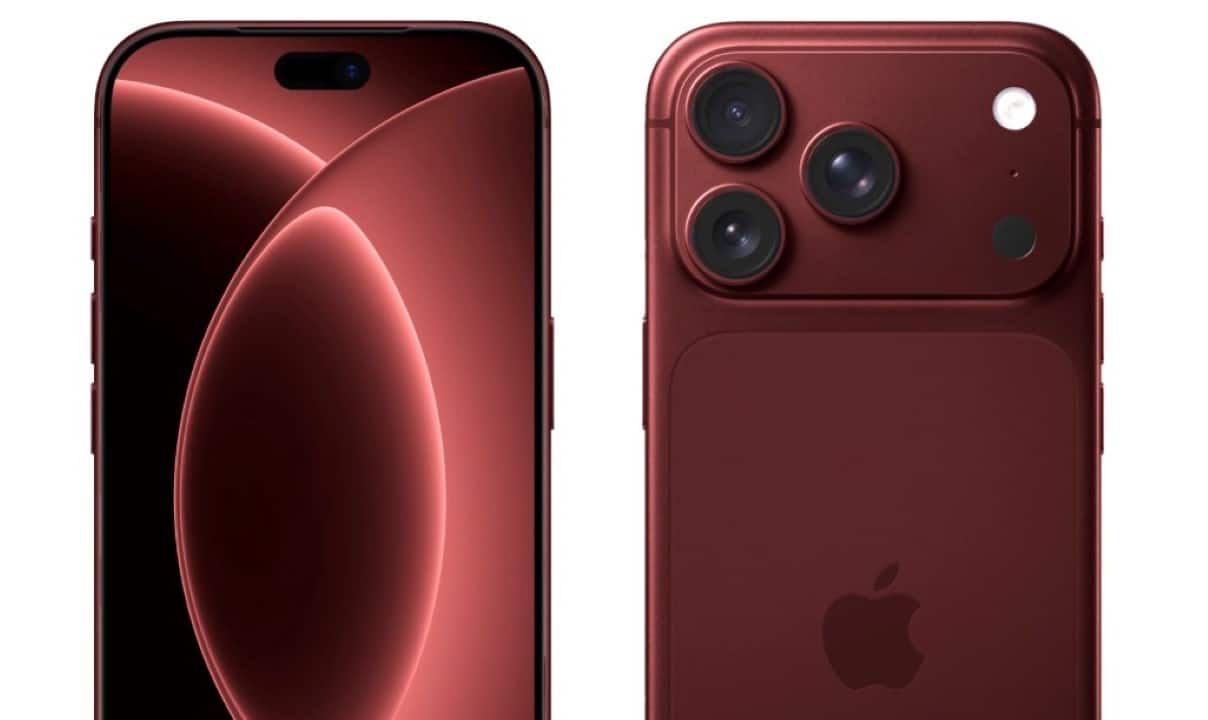
For zoom enthusiasts, the 200 MP telephoto lens delivers a lossless approach that surpasses any direct competitor. The photographic module is completed with 48 MP sensors on the main and ultrawide lenses, while image processing is reinforced by artificial intelligence to correct colors and automatically focus, eliminating the need for complex manual edits. Video recording has also received substantial improvements, standardizing 8K resolution at 60 frames per second for all models in the Pro line.
Display improvements and aesthetic refinement expand visual immersion
Image quality reaches a new level with the adoption of Samsung’s M16 panels, recognized worldwide for their color accuracy and intense brightness. While the Pro Max version grows to an impressive 6.9 inches, offering an unprecedented viewing area, the traditional Pro model maintains a comfortable 6.3 inches. The design team managed to drastically reduce the size of the Dynamic Island and slim the edges of the device, resulting in much greater frontal usability and a considerably more sophisticated aesthetic for everyday use.
With this gain in useful space, navigation in simultaneous applications becomes more fluid, in addition to providing greater visual comfort during prolonged reading of texts. ProMotion technology remains present, intelligently adjusting the refresh rate up to 120 Hz, which ensures smooth transitions when necessary and reduces power consumption when the screen displays static content.
Advanced processing architecture ensures speed and autonomy
The heart of the new devices is the A20 Pro chip, which uses revolutionary 2 nanometer lithography to deliver unparalleled performance in the mobile device market. This advance in semiconductor manufacturing, which allows more transistors to be placed in a smaller space, results in a 45% gain in graphics capacity compared to the previous generation, allowing heavy games and complex applications to be run without hiccups. To support all this power, the most expensive version in the line has 12 GB of RAM and internal storage options that reach an incredible 2 TB.
- Integration with the exclusive C2 modem for more stable connections.
- Native support for Wi-Fi 7, Bluetooth 6 and 5G technology networks.
- Improved satellite communication for hard-to-reach areas.
- Energy capacity of 5,200 mAh in the Max model and 4,300 mAh in the Pro version.
- Autonomy of up to 26 hours in intense use and 72 hours in extreme economy mode.
Preliminary evaluations carried out in the manufacturer’s laboratories indicate that the synergy between the high-density battery and the energy efficiency of the new processor eliminates the need for recharging throughout the day. Even under maximum stress, the device manages to keep the temperature controlled and consumption stabilized.
Debut in the flexible screen segment intensifies competition with competition
After years of speculation and watching Samsung dominate the industry since 2019, the company has finally revealed the iPhone Fold, its direct answer to the foldables market. The chosen format features a 5.5-inch external display for quick tasks and a 7.8-inch internal OLED screen that transforms the cell phone into a true tablet. One of the biggest highlights of the project is the redesigned hinge system, which promises to almost completely eliminate the central crease on the screen, solving one of the main complaints from users of rival devices like the Galaxy Z Fold 6.
The hardware of the flexible model does not lag behind the main line, incorporating the same A20 Pro chip, 12 GB of RAM and up to 2 TB of internal space, in addition to a photographic set led by a 200 MP sensor. To optimize the physical design, the Touch ID biometric reader was relocated to the side power button, ensuring security without compromising the device’s thickness. With a suggested price of US$2,000, the device is clearly aimed at a premium audience that seeks exclusivity and technological innovation.
Operating system brings artificial intelligence running directly on the device
The arrival of cutting-edge hardware coincides with the launch of iOS 27, an operating system built from the ground up to embrace generative artificial intelligence. The Siri virtual assistant has been completely redesigned to understand complex contexts and maintain natural dialogues, while the photo gallery has gained automated tools that remove unwanted objects and correct the framing in seconds. The native keyboard has also evolved, learning the owner’s writing style to suggest complete, personalized responses in messaging apps.
The big difference with this software approach is that the vast majority of intelligent functions are processed locally, thanks to the power of the new chip. This strategy drastically reduces dependence on cloud servers, ensuring that personal data and user interactions remain protected within the cell phone itself, a strong privacy argument against other technology giants.
Defined prices and sales schedule for the new generation
In keeping with tradition, the launch window is confirmed for September 2026, with the devices available in dark cherry, light blue, dark gray and silver. The price list reflects the strategic positioning of each version: the base model starts at US$899, focused on cost-benefit; the Pro variant will cost US$1,099, targeting content creators; and the Pro Max will cost US$1,199, aimed at the most demanding users. The iPhone Fold, at the top of the chain for US$2,000, completes a robust portfolio that should set the pace of the global smartphone market in the coming years.



