End of the digital version: Sony changes PlayStation 5 strategy in Japan and prioritizes physical media
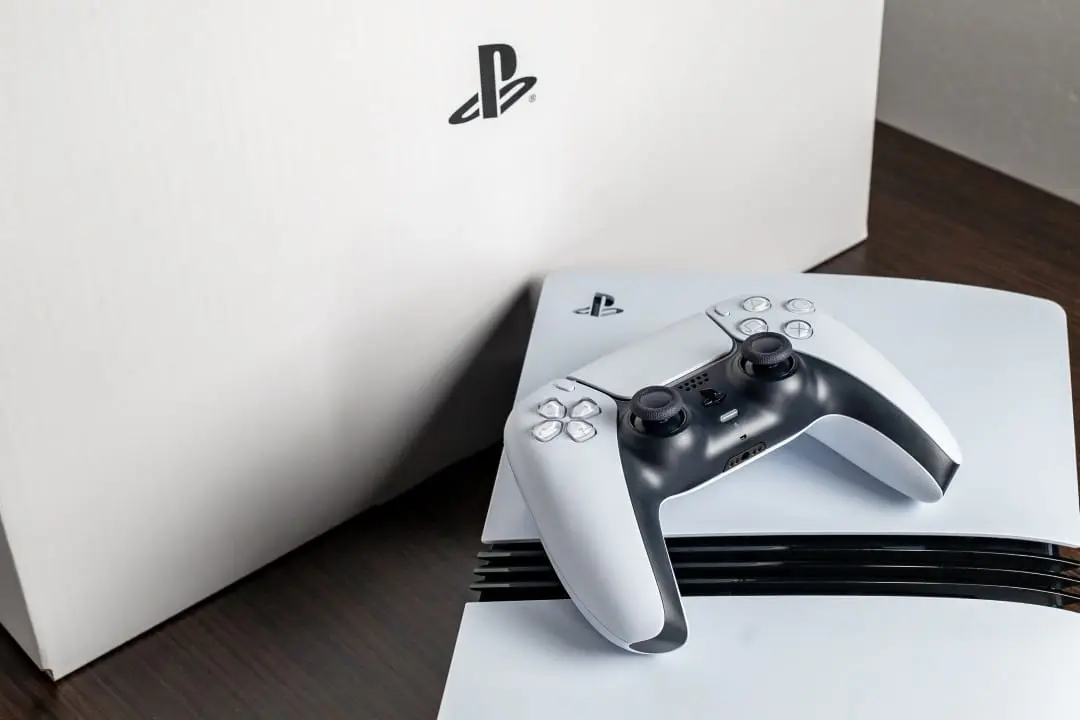
Sony Interactive Entertainment confirmed the definitive interruption of manufacturing the exclusively digital version of the PlayStation 5 for Japanese commerce. From now on, the technology giant will focus its sales efforts only on the edition equipped with the Ultra HD Blu-ray player. The measure seeks to meet the strong demand from Asian customers for games in physical format, in addition to facilitating the internal processes of assembly and distribution of devices in the brand’s country of origin.
The commercial movement highlights the manufacturer’s adaptation to the particularities of its home territory. While Western consumers quickly migrate to virtual libraries, the public in Japan maintains a significant consumption of records. Recognizing this scenario, the company chose to standardize its national offer, which puts an end to the division between two distinct platforms and simplifies stock control for both distribution centers and retailers.
Technical and storage changes to the standard console
With the change in the catalogue, the PlayStation 5 Slim becomes the only purchase option on Japanese shelves. The equipment features a lighter chassis and reduced dimensions compared to the hardware launched in 2020, also featuring a redesigned internal architecture to operate with greater energy efficiency. In terms of storage, the solid state drive (SSD) jumped from 825 GB to 1 TB, ensuring a higher margin for installing heavy applications and titles.
Within this new planning, the optical media reading component is factory-attached to the main structure and does not allow removal by the Asian user. The device arrives at retail with the official price set at 66,980 yen, a value that attempts to balance the delivery of state-of-the-art components with the local economic reality. The established pricing aims to strengthen the presence of the brand’s ecosystem in the country’s homes.
More on this story: Sony changes PlayStation 5 packaging and updates information about console features
Direct impacts on the assembly and distribution line
Concentrating on a single hardware format generates immediate operational advantages for the corporation. By unifying the assembly into a single product code (SKU), the manufacturer reduces expenses linked to the maintenance of different conveyors and speeds up the flow of boxes to retailers. This logistical standardization provides greater predictability for shipment planning, allowing for faster responses to fluctuations in public purchasing.
Commercial establishment owners also reap the benefits of this restructuring. Working with just one version of the video game reduces the complexity of storage in the back of stores and makes it easier to create displays and point-of-sale materials. The approach to the end customer becomes more transparent, as sellers no longer need to detail the technical differences between editions with and without a reader, which speeds up service and ensures shelves are always stocked.
The strength of the used games market in Asian territory
The corporate decision reflects the historical behavior of Asian players, who resist the full digitalization seen in Europe and the Americas. There is a tangible cultural attachment to the product, where the consumer values the cover art, the insert and the feeling of ownership of the physical item. Furthermore, the possibility of passing the disc forward after finishing the main campaign is a decisive factor when investing in a release.
See Also

Electrical discharge knocks man off roof in Jaguaruana after contact with power lines

Global auction raises US$11.9 million and Brazil’s historic currency reaches record value

Former fighter Prichard Colón dies at age 33 after decade in a vegetative state
- Retail chains specializing in second-hand items, such as the famous Book-Off franchise, turnover millions annually in the country.
- The local public has a habit of collecting original boxes from their favorite franchises.
- Lending securities between family members and co-workers continues to be a routine practice.
- The resale of the software directly finances the purchase of the next release in neighborhood stores.
By ensuring that every console sold internally has a disc slot, the company ensures that its user base continues to feed this ecosystem of trade-ins and garage sales. The stance avoids a direct clash with the population’s consolidated customs and prevents the flight of customers who reject the idea of keeping their entertainment libraries tied exclusively to cloud servers.
What changes in the routine of those who buy new equipment
In practice, the individual who goes to an electronics store today will no longer have the option of saving money by taking the model without a reader. The only box available at the counter will be the full version. Despite this physical restriction, access to the virtual environment remains unchanged, allowing owners to continue accessing the PlayStation Store as normal to download digital promotions, story expansions and monthly subscriptions.
Flexibility becomes the biggest benefit to the player’s wallet in the long term. With the reading tray present, the user can search for stock-out promotions in traditional retail and purchase pre-owned works for a fraction of the original price. At the same time, support for the Ultra HD Blu-ray format transforms the device into a robust multimedia center, capable of playing movies in 4K resolution and old DVDs, justifying the high initial investment for entertainment for the whole family.
Learn more: Sony ends sales of the original digital PlayStation 5 in Japan and focuses on modular version
Global positioning and focus on cost efficiency
The route adjustment in Japan illustrates how the multinational is able to separate its commercial tactics depending on geography. While Western markets continue to receive batches of both hardware variants, the parent company prefers to focus on maximum profitability at home. This portfolio reduction indicates that the product life cycle has entered a maturity phase, where the reduction of manufacturing costs gains the same weight as the expansion of the installed base.
Consolidating a machine that perfectly communicates with Japanese consumer culture helps maintain the brand’s leadership over Asian competitors. The mandatory presence of the player also enhances the backwards compatibility feature, allowing veterans to insert their old PlayStation 4 discs into the new system to enjoy last-generation classics with almost zero loading times and improved frame rates.