
Launch of the Huawei Watch GT 7 line brings 21-day autonomy and extreme brightness

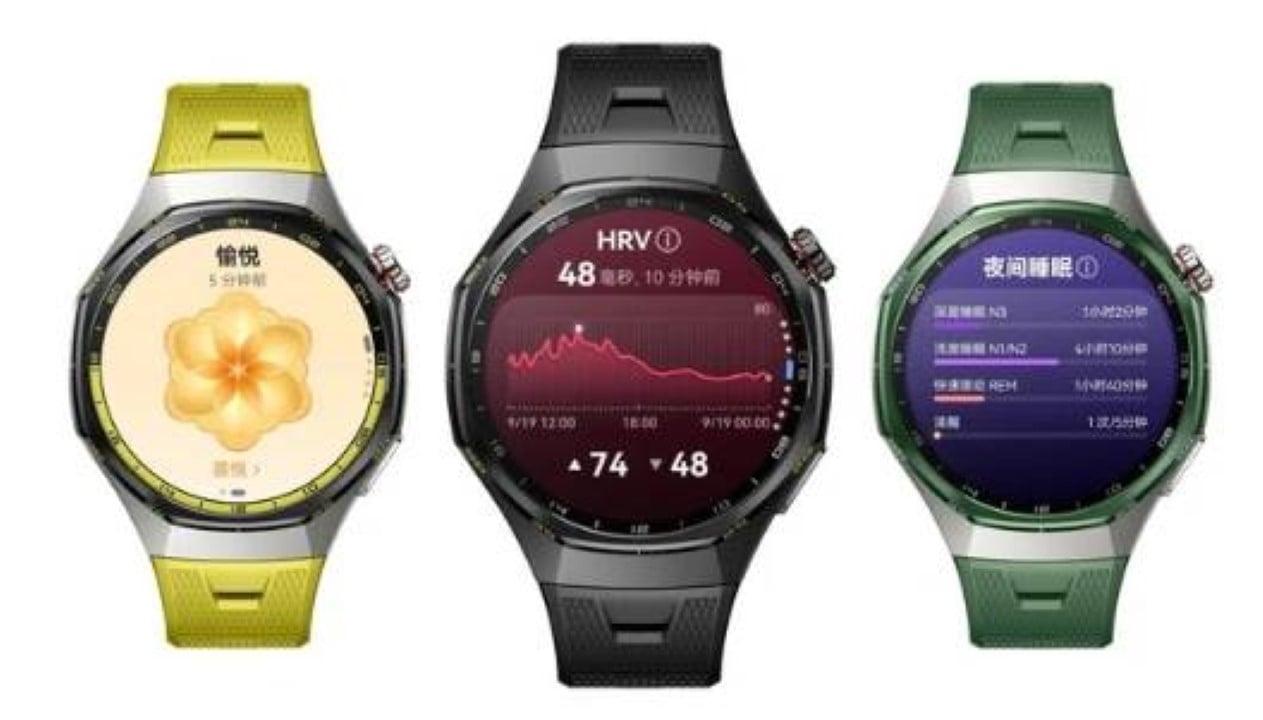
The Asian manufacturer officially revealed to the Chinese public its newest generation of wearable devices, introducing into its portfolio the long-awaited smart watches Huawei Watch GT 7 and its most advanced variant, the Huawei Watch GT 7 Pro. These devices were designed to capture a diverse audience, ranging from the traditional consumer looking for an elegant accessory for everyday life to high-performance athletes who require accurate metrics in extreme conditions. The development of this family of products focused on combining refined aesthetics with a very high brightness panel and surprising battery management, with arrival on Asian shelves confirmed for August 28, 2026.
The big technological leap in this annual update lies precisely in the evolution of the display and the energy efficiency of the internal hardware. The recently announced equipment delivers specifications that redefine the category’s usability standard, solving chronic viewing problems in open environments and the constant dependence on wall chargers.
Extreme Visibility and Power Management in New Smartwatches
The main technical difference that draws attention to the Huawei Watch GT 7 family is the implementation of a panel with AMOLED technology capable of reaching a peak brightness of 3,000 nits. For comparison purposes in the current market, this is the same level of brightness found in ultra-premium niche devices, such as the Apple Watch Ultra 2, which puts the Chinese model in a position of direct competitive advantage. This luminous capacity ensures that any notification, map or sports metric is read with absolute clarity, even in direct sunlight in a desert or reflected off snow.
Working together with this super bright screen, the company’s engineering was able to drastically optimize energy consumption. The internal processors and operating system have been tuned to deliver up to three weeks of uninterrupted operation in moderate usage scenarios. This extended autonomy represents an immense relief for travelers and outdoor sports enthusiasts, eliminating the anxiety of seeing the battery drain quickly during a long trail or a business trip where the charger was forgotten.
Premium materials and differentiated construction for each user profile
Understanding that ergonomics and style are decisive factors when purchasing a wearable, the brand created very separate visual and structural identities for the two versions. The standard model arrives at retail with 41 millimeter and 46 millimeter dial options, perfectly catering to thinner or wider wrists. The housing of this entry-level version uses high-quality stainless steel at the top, while the base that touches the skin is forged in a composite polymer that reduces the total weight of the device and improves thermal comfort.
On the other hand, the more expensive edition was designed to withstand severe impacts, featuring a unique 45.6mm chassis built entirely from aerospace-grade titanium alloy, complemented by a nanocrystalline ceramic base. The design preserves the visual identity of the previous generation with geometric cuts in an octagonal shape, but now receives a hardened metallic coating that multiplies protection against accidental scratches, salt water corrosion and wear due to acid sweat. To complete the durability package, the screen of this superior model is shielded by sapphire glass, a material surpassed in hardness only by diamond.
The personalization ecosystem has also been expanded with a new collection of bracelets, made from fluoroelastomer rubber for water activities and reinforced synthetic leather for formal occasions. The color palette of the more robust version includes sophisticated options called Carbon Crystal Black, Pine Frost Green and Wild Yellow. Meanwhile, the base model bets on a more casual and vibrant appeal, offering alternatives in shades of blue, yellow, black, pink and even designs that mix two colors on the same bracelet.
State-of-the-art sensors turn your wrist into a portable medical center
The physiological monitoring department has received a massive upgrade through the integration of the TruSense system. This array of optical and electrical sensors works around the clock to map heart rate and blood oxygen saturation levels with clinical precision. In addition to the basics, the embedded software cross-references data to evaluate stress peaks, map the deep and light phases of night rest and record variations in skin temperature. A notable advancement for preventive healthcare is the ability to identify arrhythmias through pulse wave analysis and issue alerts about possible episodes of sleep apnea, a silent condition that affects millions of people globally.
Consumers who opt for the more expensive variant will have access to exclusive medical and sports grade tools. The device has dedicated hardware for performing electrocardiograms on demand and a calibrated barometric pressure sensor to measure depth during dives. Resistance against the elements of nature is guaranteed by IP69 and 5 ATM certifications on both pieces, withstanding jets of boiling water and conventional submersion. However, the titanium edition goes further by achieving the rigorous EN13319 certification, which approves it as a safe autonomous diving computer for descents of up to 40 meters deep into the ocean.
In terms of communication with the outside world, the adoption of the Bluetooth 6.0 standard guarantees incredibly stable connections with smartphones and headphones, using a fraction of the energy of past generations. Contactless payment via NFC is present, as are microphones and audio outputs for direct phone calls from your wrist. Route tracking has been enhanced with a dual-frequency antenna that communicates with six satellite constellations, eliminating signal dropouts in dense forests or skyscraper-filled urban centers. The sports catalog encompasses more than 110 disciplines, introducing a professional mode for skiers, turn-by-turn navigation for cyclists and a database with detailed maps of more than 17,000 golf courses around the planet.
Official launch values and expectations for the global market
The advance reservation campaign has already started in Asia, preparing the ground for the mass distribution that will take place at the end of August 2026. The pricing strategy adopted by the manufacturer seeks to cover different budget ranges, positioning the equipment in the following way in local stores:
- Standard edition with 41 mm case sold for 1,588 yuan, which represents around 1,205 reais in direct conversion.
- Standard edition with 46mm case listed at 1,688 yuan, equivalent to approximately 1,280 reais without the addition of taxes.
- Edition made of titanium and sapphire sold for 2,688 yuan, costing around 2,040 reais at the current currency exchange rate.
To date, the company’s headquarters has not issued official statements regarding the international expansion schedule or how these values will be adapted to the tax reality of other regions. However, the brand’s history suggests that a global presentation should take place in the following months, intensifying the competition for the high-end wearables segment in the West.



