
US operations ensure free flow of commercial vessels in the Strait of Hormuz

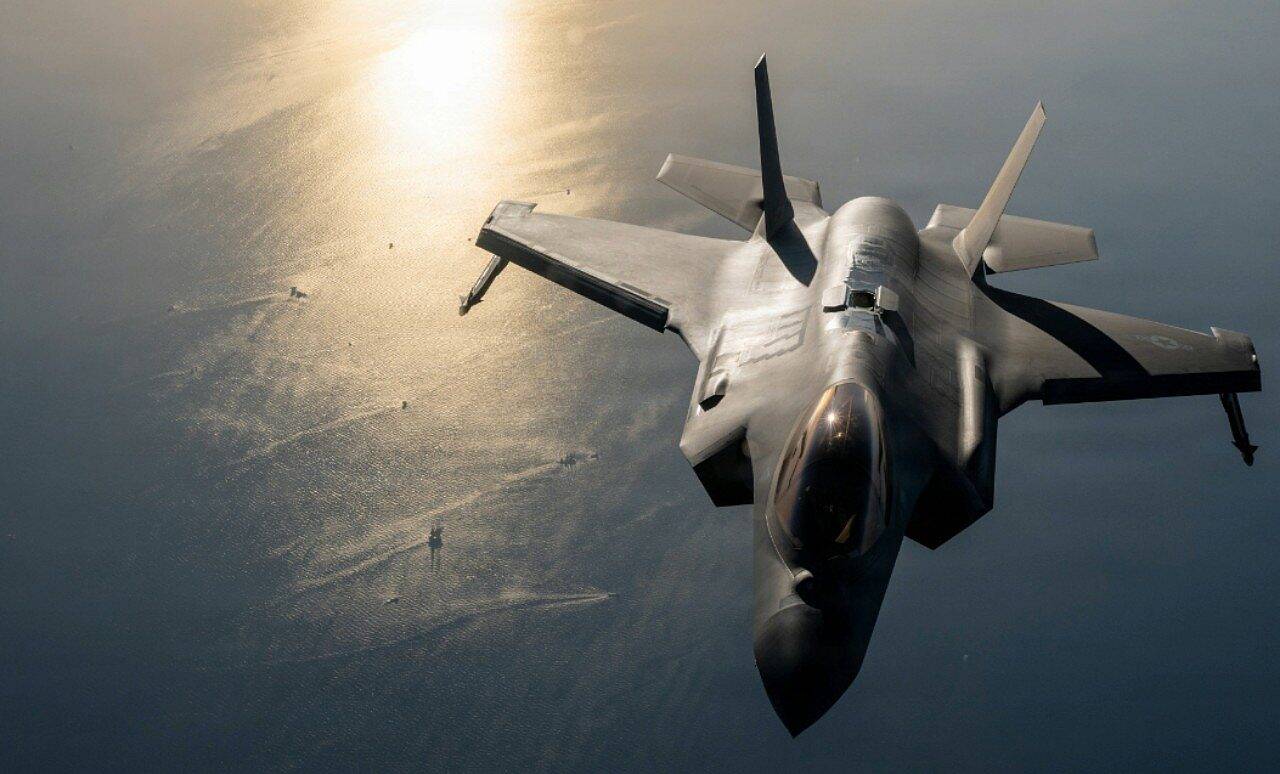
The southern route of the Strait of Hormuz remains open for the passage of all commercial vessels, an announcement made by US forces on August 5, 2026. According to reports, the United States Central Command (CENTCOM) has been actively working to ensure safe navigation in the international waterway, crucial for global transportation.
Strait of Hormuz: crucial point for world trade
The Strait of Hormuz, located between the Persian Gulf and the Gulf of Oman, represents one of the most strategic and busiest sea passages on the planet. A significant portion of the oil and natural gas consumed globally passes through this waterway, making it vital for the economies of several countries. Interruptions or threats to navigation in the region can generate instability in international markets and directly impact energy prices.
Action by American forces guarantees security in the waterway
Over the past three months, United States forces have assisted more than a thousand vessels, ensuring that they completed their crossings through the strait without incident. This continued operation comes despite what U.S. Central Command classifies as “unjustified Iranian aggression,” indicating a persistent effort to maintain stability in the area. The American presence and support are presented as key elements for maintaining freedom of commercial transit.
Persistence of tensions in the Middle East region
The Strait of Hormuz area has historically been a focus of geopolitical tensions, mainly due to its proximity to Iran. The country often finds itself at odds with Western powers and their allies in the region, which creates an environment of constant surveillance and, at times, confrontations. Military rhetoric and actions in the Persian Gulf reflect a complex dynamic between maritime security and influence disputes.
Impact of safe browsing on the world economy
Ensuring a free trade route across the Strait of Hormuz has direct implications for consumers and businesses around the world. The unimpeded passage of tankers and other commercial vessels avoids supply chain delays and the need for longer, more costly routes. For ordinary citizens, this translates into greater stability in the prices of fuel and products that depend on global maritime transport. Maintaining continuous flow is a pillar for global economic health.
Debate on the real situation of freedom in the straits
Despite American forces’ assertions about freedom of navigation, the situation in the Strait of Hormuz is frequently the subject of analysis and questioning by international experts and observers. The complexity of regional politics and the presence of different actors lead to debates about the degree of “freedom” and “security” perceived by all parties involved. This scenario highlights the need for continued monitoring and diplomatic efforts to de-escalate tensions and ensure unequivocal passage for all.
Next steps and the search for regional stability
The continuation of American navigation support operations signals Washington’s commitment to security in the Strait of Hormuz. However, long-term stability in the region depends on a delicate balance between military presence and diplomatic initiatives. The international community is closely monitoring developments, hoping that the waterway will continue to operate without significant impediments, ensuring the flow of trade essential to the global economy.



