
Former CDC director warns of cyclosporiasis contamination in fruits and vegetables

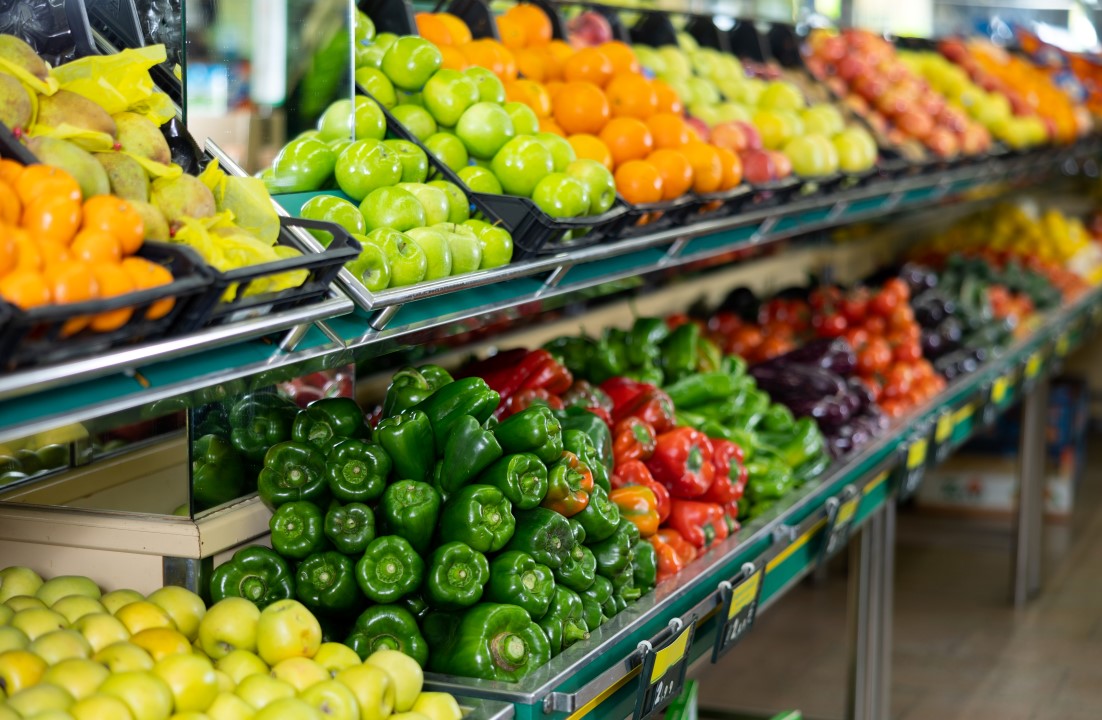
With the progression of the proliferation of cases of cyclosporiasis in different regions of the country, Dr. Robert Redfield advises, on August 6, 2026, the population to avoid consuming some fruits and vegetables, in addition to the aforementioned lettuce.
The Centers for Disease Control and Prevention (CDC) reported that six other US states recorded new occurrences of cyclosporiasis, bringing the total number to more than 22,000 confirmed or suspected cases across the United States.
Deaths from cyclosporiasis increase concern in the United States
The state of Michigan, where the first two fatalities related to the outbreak were reported, has become an epicenter for the parasitic disease, accounting for more than 11,000 diagnoses. Health authorities confirmed that the two people who lost their lives had other serious medical conditions, increasing their vulnerability.
Additionally, health bodies in the United Kingdom detected a considerable increase in the number of infections among people returning from trips to Mexico. Although the precise source of the outbreak has not been fully identified, some cases have been linked to lettuce produced in Mexico and distributed by the company Taylor Farms.
The CDC reiterated that the cyclosporiasis outbreak has already impacted 15 American states, with iceberg lettuce being the main initial vector of contamination.
Robert Redfield, former director of the CDC, revealed on “Elizabeth Vargas Reports” that the parasite has also been detected in other crops, such as blueberries, raspberries and sweet peas, expanding the range of foods at risk.
“For contamination to occur, the vegetables must come into contact with human fecal matter. This is a situation that we do not often see in the United States,” he explained, highlighting the unusual nature of this form of contamination on American soil.
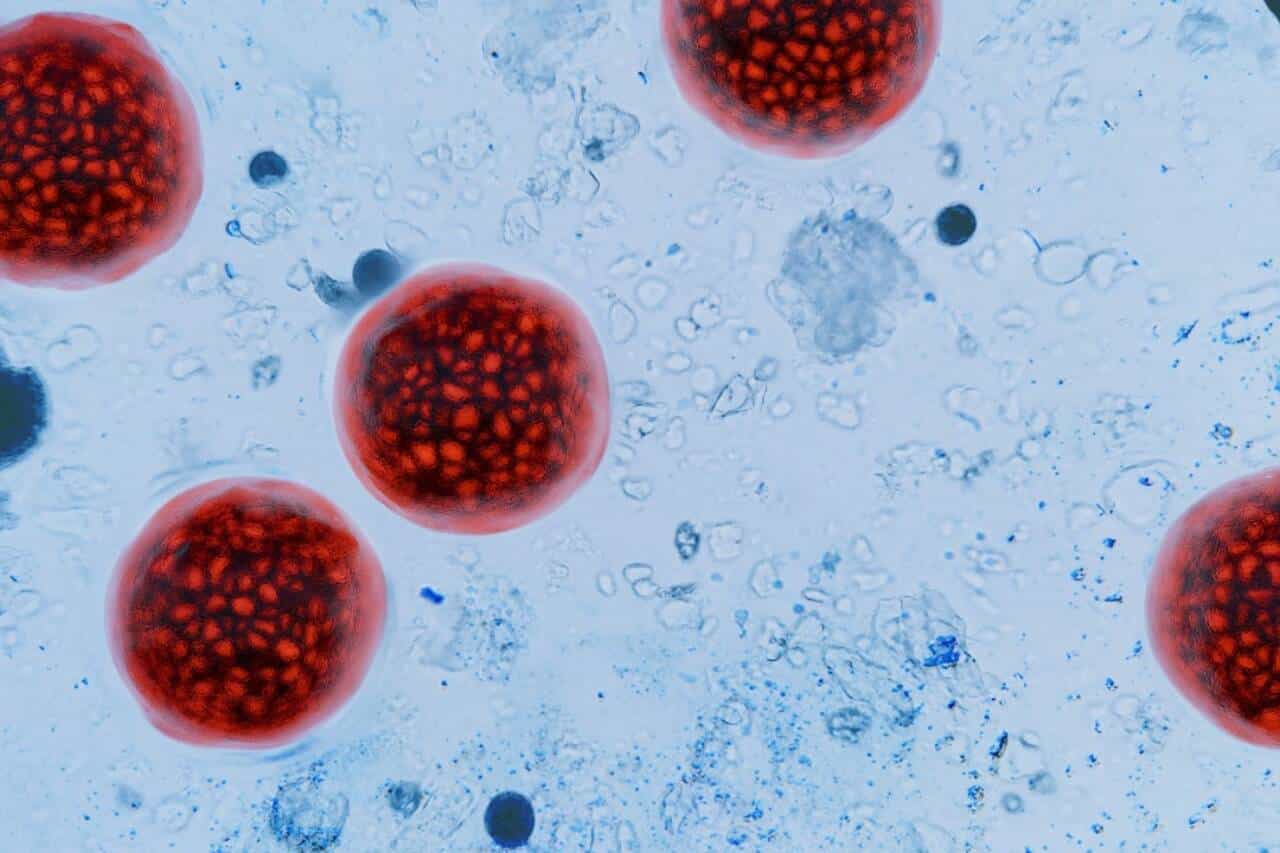
Recommendations for consuming raw vegetables and fruits during the outbreak
The expert advised caution when consuming raw vegetables, with the exception of lettuce, which is already packaged and processed.
“The safest option is to opt for locally grown vegetables, as the main current risk lies with products imported from other countries,” noted Redfield. He emphasized that “the only way to contract cyclosporiasis is through consumption of contaminated vegetables.”
Deepening the discussion on vegetable hygiene, Redfield reported that the parasite is “extremely difficult to eliminate” using common cleaning methods.
“So even if you wash the lettuce and put it in a spinner, if the Cyclospora parasite is present, it will remain present,” he said. “You can’t get rid of it just by washing.”
Treatment for cyclosporiasis can be done with antibiotics
Redfield acknowledged that for individuals who exhibit symptoms of the disease for more than 48 hours, the clinical condition is treatable.
Concern about Cyclospora fatalities in patients with comorbidities
“The disease is sensitive to an antibiotic known as Septra or Bactrim,” he clarified. “With the use of this medication, recovery, which would normally take two to four weeks, can be achieved in just five to seven days.”



