
The cost of Pagani screws is impressive and exceeds the value of a Porsche 911

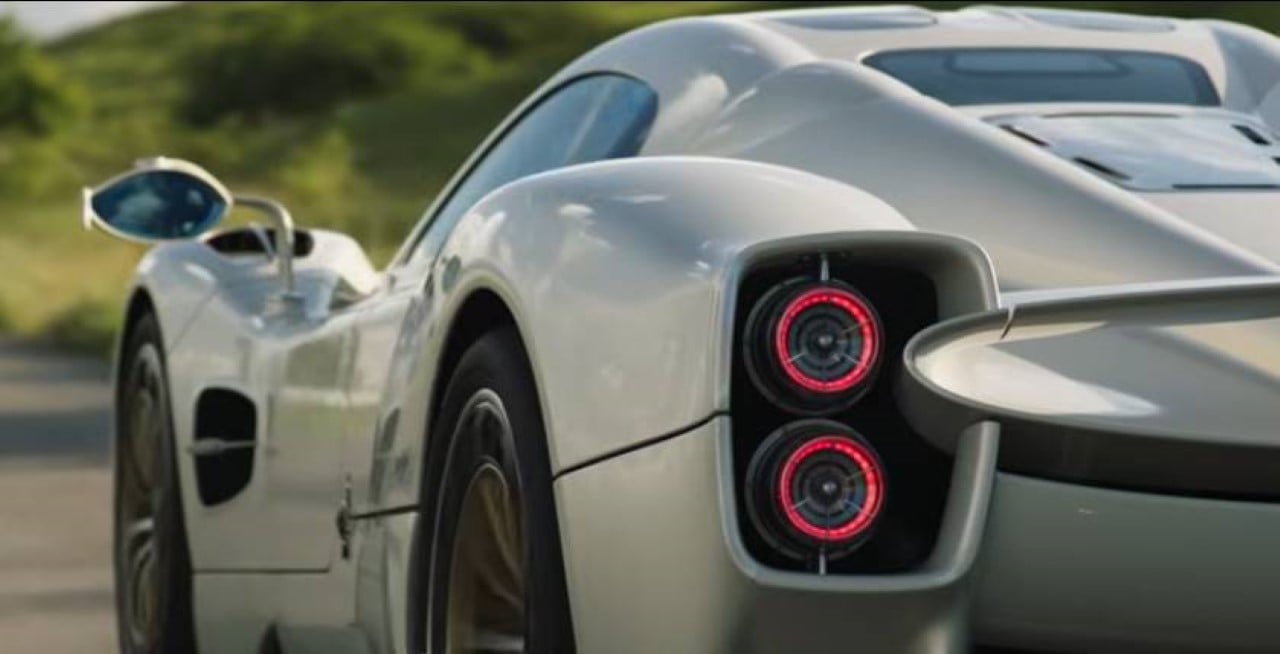
The obsession with details and exclusivity in the world of hypercars reach an impressive level in the case of Pagani, an Italian manufacturer known for its high-performance machines and sculptural design. Seemingly trivial components, such as the screws that fix the various parts of your vehicles, have a value that shocks many enthusiasts: each of them can cost more than a Porsche 911, one of the most desired sports cars in the world.
This peculiarity highlights the brand’s philosophy, where each element is a work of engineering and art. It’s not just about functionality, but about an incessant search for perfection and a level of finish that justifies the stratospheric prices of its models, which are manufactured in extremely limited volumes for a select audience of collectors and millionaires.
Precision engineering: titanium and laser engraving on Pagani screws
The extreme appreciation of the screws used by Pagani is not random. Each hypercar from the Italian brand incorporates approximately 2,000 of these parts, made from titanium. This metal is recognized for its exceptional strength-to-weight ratio, and is widely used in sectors such as aerospace and medicine, where durability and lightness are crucial. The choice of titanium contributes significantly to the vehicle’s overall performance, reducing overall weight without compromising structural integrity.
In addition to the noble material, each screw receives a special treatment: the Pagani logo is laser engraved with a precision of 0.002 millimeters deep. This level of detail is almost imperceptible to the naked eye, but symbolizes the brand’s commitment to excellence in every millimeter of the car. This micro-recording serves as a seal of authenticity and a demonstration of the artisanal and technological capacity used in production.
Beyond the material: the meaning of exclusivity in each component
The high cost of a Pagani screw goes far beyond the intrinsic value of the titanium and the engraving process. It encapsulates the philosophy of the brand, which positions itself in the market as a producer of “art on wheels”. Horacio Pagani, the company’s founder, is known for his vision that every car should be a museum piece, with each component designed and executed with the same passion and perfection as a piece of jewelry.
Exclusivity is a fundamental pillar. With an extremely limited annual production, each Pagani is almost a unique project, tailor-made for its owner. This artisanal approach means that the time, skilled labor and research and development invested in every detail, such as a screw, is spread across a very small number of units, raising the individual cost of each part to levels that would be unviable for higher volume manufacturers.
The contrast of values: a hypercar screw and a Porsche 911
Comparing the cost of a Pagani bolt to the price of a Porsche 911 vividly illustrates the difference between the luxury and ultra-luxury segments in the automotive market. While a Porsche 911 represents the pinnacle of high-performance sports engineering and a globally recognized status symbol, it is still produced on a scale that allows for a certain accessibility within the luxury car world. Pagani, on the other hand, operates at a level where exclusivity and artisanal manufacturing drive costs to levels beyond belief for most.
This contrast highlights that, for the buyer of a Pagani hypercar, the value is not just in acceleration capacity or top speed. It also lies in the possession of something truly unique, with a level of attention to detail and customization that defies industry norms. The price of the screw, in this context, becomes a symbol of the uniqueness and ingenuity that define the final product.
Pagani philosophy: when the price reflects art and rarity
Pagani’s approach to its components is a direct reflection of the vision of its founder, Horacio Pagani, who seeks to create cars that combine science and art. For him, each car must be a symphony of shapes, materials and engineering, where no detail is insignificant. This philosophy justifies meticulous production processes and cutting-edge materials, even for the smallest pieces.
This extreme dedication to quality and uniqueness transforms the process of buying and owning a Pagani into a collector’s experience. The high cost of screws, therefore, is not just a whim, but an integral part of the brand’s narrative and the perceived value of its vehicles. For the customer who can afford it, the certainty that each element has been carefully selected, manufactured and inspected contributes to the aura of exclusivity and prestige.
The impact of the obsession with details on the automotive luxury market
The story of Pagani screws worth more than a Porsche 911 serves as a fascinating case study into the extreme luxury market and the psychology of its consumers. For Pagani customers, price is not an obstacle, but often an indicator of exclusivity and the level of engineering and craftsmanship involved. This approach goes against the cost-benefit logic that governs most markets, emphasizing that in the hypercar segment, the added value lies in uniqueness, uncompromising performance and art.
- Features that make these screws so expensive include:
- Material:Exclusive use of high strength and light titanium.
- Amount:Approximately 2,000 bolts per vehicle.
- Customization:Each screw has the brand’s logo laser engraved on it.
- Precision:Engraving carried out with an exact depth of 0.002 millimeters.
- Craft manufacturing:High time and cost of specialized labor.
This meticulous attention to detail, from the smallest screw to the carbon fiber panels, establishes Pagani as one of the most revered and exclusive car manufacturers on the planet.



