
Anticipation of the Huawei Mate 90 for September intensifies the dispute with Apple


The Asian technology manufacturer plans to drastically change the timing of its main line of high-end cell phones. Recent information indicates that the Mate 90 family will make its global debut in September 2026, shortening consumers’ wait by approximately sixty days compared to the brand’s history. Although the company’s management has not issued official statements about the change in dates, the maneuver highlights an aggressive adaptation to gain ground in the disputed mobile devices sector.
Motivations behind the change in the Chinese manufacturer’s calendar
The company’s traditional schedule has always reserved the end of November for major revelations, which makes this likely change to the ninth month of the year a point of great interest. Analysts who follow the production chain assess that the decision demonstrates the brand’s renewed optimism in relation to the supply of parts, with emphasis on the manufacture of proprietary Kirin line chips. In past generations, the shortage of semiconductors, generated by trade embargoes, forced the company to delay the arrival of its main devices on shelves.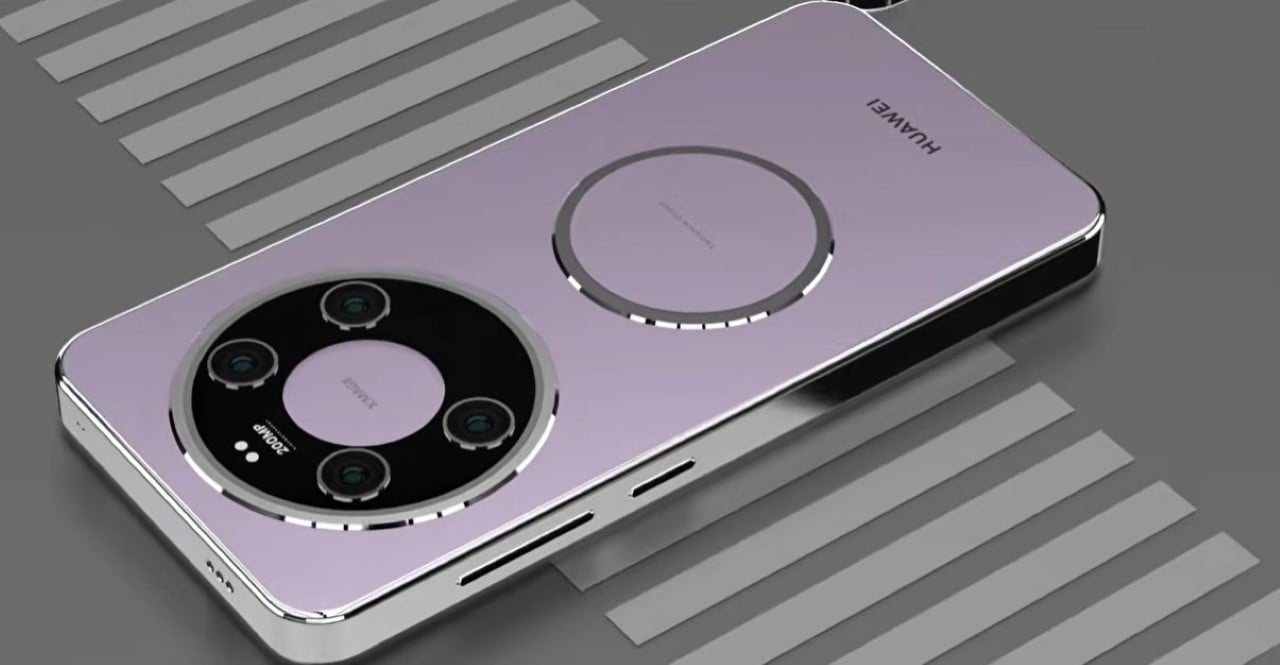
If the new date comes to fruition, it will be clear that the Asian giant has resolved its logistics and production issues, possibly strengthening ties with local foundries like SMIC to secure chips in bulk. The previous model, from the Mate 80 series, had already surprised the market by featuring the Kirin 9030 processor, proving that Chinese engineering has evolved even under strong international sanctions. The introduction of an updated platform on the Mate 90 would once and for all consolidate the company’s autonomy. Respected leakers in Asia, such as RuryRen and FixedFocus, already take for granted the sales window for the end of the third quarter of 2026.
Breakdown of events to focus on different cell phone categories
An unprecedented tactic that should be adopted by the company involves the fragmentation of its most important advertisements. In the past, it was common to see conventional smartphones sharing the stage with flexible screen options, as happened at the end of 2025 with the joint reveal of the Mate 80 family and the foldable Mate X7.
For the 2026 cycle, rumors suggest that the September stage will be exclusive to the Mate 90, leaving foldable innovations — such as the triple Mate XT 2 model and the Mate X8 book format — for isolated conferences from October onwards. Sharing the spotlight ensures that the manufacturer remains in the news for consecutive months, in addition to allowing targeted advertising campaigns for each niche. From a logistical point of view, this break in the calendar avoids the strangulation of factories, which will not need to deliver millions of units of different luxury devices at the same time.
Direct battle against new iPhones in the most profitable period of the year
Positioning the launch for September puts Huawei’s cutting-edge device on a head-on collision course with Apple, which traditionally unveils the iPhone 18 line in the same month. Within Chinese territory, the war for the preference of the high-income public has reached critical levels. Financial experts highlight that this simultaneous clash will test the loyalty of local users. Data for the first three months of 2026 reveal a tight scenario, where the Chinese brand dominated 20% of cell phone deliveries in the country, surpassing the Cupertino giant by a minimum margin of one percentage point.
Despite the momentary leadership, the American company saw its shipments jump 20% year-on-year, while the Asian company advanced more timidly, with just a 2% increase, all within a sector that shrank 4% overall. Bringing the Mate 90 to storefronts early acts as a strategic shield to shield the customer base before aggressive holiday discount campaigns begin in Asia. The success of this maneuver, however, is directly linked to the factories’ ability to supply retailers without interruptions.
Software synergy with the debut of the new version of the operating system
The early launch window also makes sense when we observe the advancement of the brand’s exclusive software, HarmonyOS 7. The test edition aimed at programmers was officially released on June 12, 2026, guaranteeing initial compatibility with seven of the most advanced devices ever sold by the company.
This ninety-day window provides the time needed for the engineering team to eliminate bugs and optimize the code before the big event. Even without a formal statement from the manufacturer, the industry is betting that the Mate 90 will be largely responsible for introducing the final version of HarmonyOS 7 to common consumers. Combining new hardware with a renewed system, full of tools based on artificial intelligence, represents the definitive step for the company to consolidate a digital environment completely free of external dependencies.
Mysteries and specifications that remain under lock and key
While the market exhaustively debates possible dates, the actual technical specifications of the device continue to be shrouded in a cloud of uncertainty and guesses. The brand’s loyal public continues to scour the internet in search of any confirmation about the physical capabilities of the new equipment.
Among the main mysteries that still require official validation, the following points stand out:
- Definitive nomenclature of all variants of the Mate 90 family.
- Precise days for the conference and opening of pre-sales.
- Architectural details and lithography of the new Kirin chip.
- Arrangement of lenses and megapixels of the photographic set.
- Size of the energy tank and maximum power supported at the socket.
- Table values for the Asian market and global expansion plans.
- Specific calendar for the arrival of flexible screen options.
There are also strong rumors circulating on Asian forums about the possible shelving of the Pura 90S Pro versions and its Plus variant, something that the company’s headquarters has preferred not to comment on so far.
With the turn of the semester and September 2026 approaching, the tendency is for regulatory bodies and advertising pieces to begin to reveal the true scope of the project. The triumph of this anticipation will depend exclusively on the robustness of the supply chain, proving that the date change is the result of industrial efficiency, and not just an empty marketing trick. Furthermore, isolating the presentation of traditional and foldable models will serve as the ideal thermometer to measure the effectiveness of the technology giant’s new commercial guidelines.





