
Leak details special edition of Nintendo Switch 2 with recreation of Zelda


Recent information circulating behind the scenes in the technology industry indicates that Nintendo plans to launch a themed version of its next console. Leaked data indicates that the Switch’s successor will receive a limited edition completely inspired by the famous franchise The Legend of Zelda. This commercial tactic has the main objective of boosting initial sales of the equipment and ensuring a solid consumer base in the first months of availability on the global market.
The center of these speculations involves the complete recreation of an absolute classic originally released in 1998, which marked an epoch on the Nintendo 64. The modernization project would transport the adventure to a state-of-the-art three-dimensional environment, completely updating the graphics and game mechanics. The union of a personalized device with completely redesigned software delivers a package with high added value, attracting both long-time fans and investors of the brand.
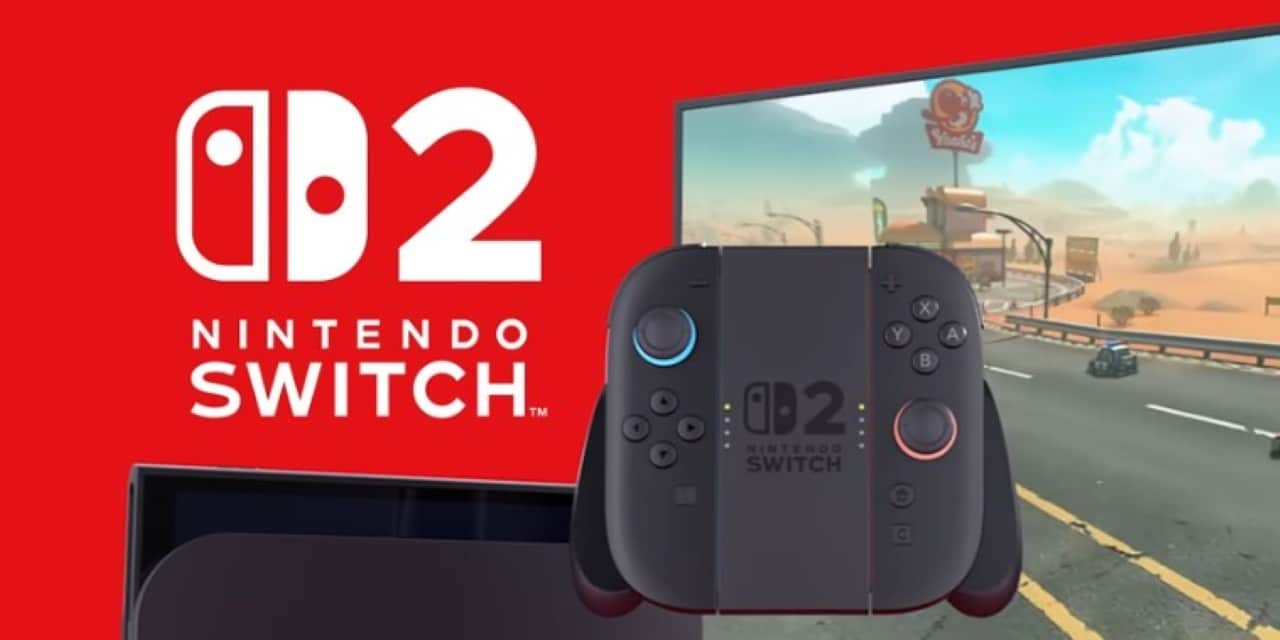
The launch schedule for this new hardware and software ecosystem seems aligned with the period of greatest growth in international retail, suggesting an arrival in stores in the second half of the next few years. To date, the Japanese manufacturer has adopted a stance of absolute secrecy regarding its projects under development. The company refuses any official comment on the rumors, preferring to focus its marketing efforts on selling its current catalog of products.
Limited edition tactic boosts revenue for console manufacturers
The offer of customized devices to accompany major game launches represents an essential pillar in the Asian giant’s business model. During the life cycle of the current model, the market has seen the arrival of several exclusive versions based on important intellectual properties, such as Mario and Pokémon. These differentiated designs act as a decisive attraction for new buyers who were waiting for a visual incentive, in addition to convincing collectors to purchase a second unit of the same video game, increasing profit margins.
From a financial point of view, the sale of special editions helps to sustain the full price of the product for an extended period, avoiding drastic cuts in value on the shelves. The exclusive look generates a sense of urgency and scarcity, which accelerates the public’s purchasing decision. Market analysts assess that this formula considerably reduces the commercial risks inherent to the introduction of a new generation of platforms. By associating the new machine with a brand with strong appeal, the manufacturer guarantees rapid initial adoption, a determining factor in attracting support from partner studios.
Historical impact of the franchise and the challenges of modernizing a classic
The choice to rescue a title from the 1990s does not happen by chance within the corporation’s strategic planning. The original work laid the foundations for the design of three-dimensional environments, introduced the enemy targeting system and shaped the exploration of open worlds, concepts that dictate the rules for creating electronic games to this day.
The process of developing a recreation of this magnitude requires a careful balance between preserving the original identity and applying contemporary technologies. Software engineering teams need to rewrite old codes, raise texture quality to very high resolutions and adapt commands to current ergonomic standards, delivering a fluid experience for the user.
For veteran players, the initiative represents the opportunity to revisit a remarkable digital universe with the power of modern graphics processing. For younger audiences, the project works as an accessible gateway to the series’ roots, eliminating the technical and visual barriers imposed by hardware that is more than two decades old.
The presence of a production of this caliber in the initial catalog acts as a powerful anchor for retail. The perfect synergy between the game and its exclusive console reduces the chances of consumers migrating to competing platforms, accelerates the rate of adoption of new technology and significantly improves the results presented in the company’s quarterly financial reports.
Generation transition requires technological innovations and support for old games
The change from one generation to another represents the most delicate moment for any home video game manufacturer. Companies face the challenge of convincing millions of customers to invest in new equipment, which requires a clear demonstration of graphical leaps, greater processing capacity and a renewed application library.
Sources linked to the supply chain indicate that the next device will maintain the hybrid architecture, allowing use both portable and connected to the television. The continuity of this format proves its high profitability over the last decade, combining the practicality of media consumption on cell phones with the immersion of traditional living room games.
Backward compatibility emerges as a central element in discussions about this technological transition. If the new machine is capable of playing previous generation titles, consumers will make the switch more naturally, without the fear of losing the money invested in their digital and physical collections. A console with Zelda’s visual identity serves as an immediate eye-catcher to highlight these advantages.
Movements in the supply chain reveal preparations for production
Monitoring parts orders and activities in Asian factories serves as the main thermometer for anticipating the launch of electronics. Recent reports from industrial partners point to a significant increase in the manufacturing of specific components, signaling the beginning of the large-scale assembly phase. Among the items with the highest volume of orders, the following stand out:
- High-performance screens with better image refresh rate.
- High-speed memory modules aimed at instant loads.
- Customized processors focused on delivering energy efficiency and graphics power.
Information leaks tend to occur more frequently during the packaging printing stage, carcass production and prototype testing. As this process involves dozens of outsourced companies, maintaining absolute industrial secrecy becomes an almost impossible task. With research and development costs reaching billions of dollars, selling a special edition linked to a major game is a calculated maneuver to quickly recoup the investment.
The combination of an exclusive design, the historical weight of the brand and state-of-the-art internal components accurately translates the demands of today’s consumer. This audience values not only raw technical performance, but also the aesthetics of the product and the feeling of owning a collector’s item.
The manufacturer’s stance of silence works as an organic marketing strategy
The corporation’s management maintains an extremely strict communication protocol, ignoring questions from the press, financial analysts and profiles focused on leaks. This conservative attitude aims to protect ongoing advertising campaigns and prevent the announcement of a new product from paralyzing sales of the video game that is still on the shelves.
This strategic silence ends up functioning as an organic marketing tool on social networks and specialized forums. In the absence of official denials, speculation gains strength and keeps the brand’s name in constant evidence, eliminating the need for million-dollar investments in advance advertising or premature reveal events.
Retail chains prepare infrastructure for the arrival of the new ecosystem
Large distribution networks and global retailers have already started to map out the logistics necessary to receive the new shipment of electronics. Preparations involve redesigning physical spaces in stores, structuring pre-sales campaigns and reinforcing e-commerce servers, all to support the massive customer traffic expected on the day of the official launch of the new entertainment system.





