
Nintendo reveals new hybrid console and confirms full remake of Zelda Ocarina of Time

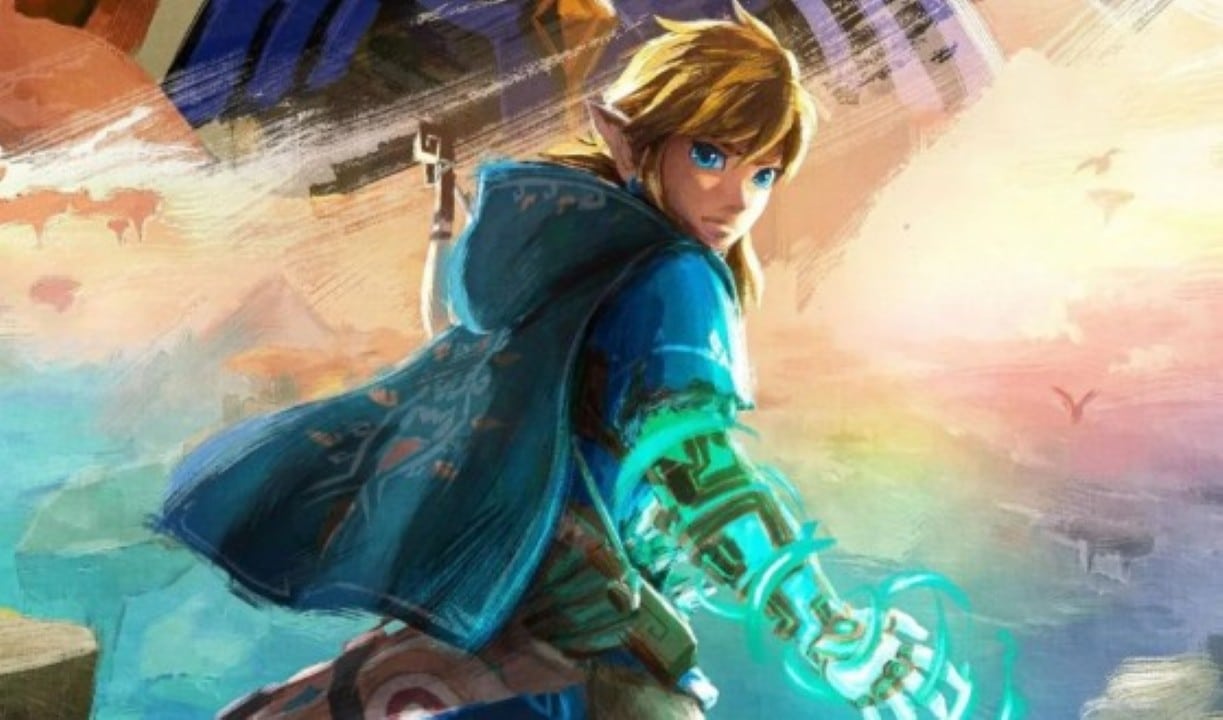
Japanese giant Nintendo has officially announced the arrival of its newest hybrid video game, designed to succeed the brand’s current generation of devices. The new equipment maintains the renowned philosophy of alternating between portable use and direct connection to televisions, a formula that has redefined the market in recent years. To boost the launch, the manufacturer confirmed that the system will debut accompanied by a total recreation of the classic The Legend of Zelda: Ocarina of Time. During the announcement, the company avoided showing the final design of the housing, focusing only on the technical capabilities that were being developed in absolute secrecy by its engineering teams. The revelation ends a long period of rumors in the industry, highlighting an architecture that promises to combine native backward compatibility with a significant leap in processing power.
Commercial planning for global distribution underwent a profound reformulation in the company’s digital entertainment sector. In order to protect the stock against the lack of parts, the corporation signed advance agreements with component suppliers around the planet, guaranteeing exclusive assembly lines. The central goal of this maneuver is to prevent shelves from being empty in the first months of commercialization, a recurring problem in technology launches. Small retailers in the United States have already started receiving logistics manuals, while partner factories in Asia are operating at maximum production capacity. Financial analysts are watching the movement carefully, assessing that the aggressive strategy could dictate the pace of the retail sector in the coming quarters.
『제르다의 시대의 오카리나』의 메자리메이크특,
(소스:https://t.co/Isv8LRAJxQ) pic.twitter.com/NQfhSRF9CE
—चर्चाफिल्म (@चर्चाफिल्म)2026년 3월 27일
Technical specifications of the new hardware and integration with televisions
The initial version of the device will reach consumers equipped with an eight-inch liquid crystal panel (LCD). This engineering choice was made to balance manufacturing costs and keep the retail price affordable for the general public, contrary to expectations of a more expensive screen at launch. Despite traditional technology, the display presents a considerable increase in size compared to previous generation displays. The screen structure has been optimized to offer greater impact resistance and significantly lower power consumption. Consequently, the internal battery has undergone a complete redesign to support longer gaming sessions, although the launch of an OLED variant in the future is not ruled out. The external format of the device preserves the ergonomics already known to users, facilitating the transition.
The heart of the system runs on a processor with a custom ARM architecture, specifically designed to deliver high performance in heavy games. The graphics chip integrates DLSS technology, developed by Nvidia, which uses artificial intelligence to improve image quality. When the video game is connected to the television base, this feature comes into action to virtually expand the native resolution, ensuring sharp graphics without sacrificing the frame rate. This way, players will be able to enjoy advanced visuals while maintaining the fluidity of 60 frames per second in demanding titles. In addition to brute force, the hardware offers full compatibility with the previous generation game library, drastically reducing load times thanks to new solid-state storage. Internal cooling is managed by an ultra-quiet fan coupled with a copper heatsink.
Complete recreation of the classic The Legend of Zelda Ocarina of Time
The main attraction of the initial catalog is the triumphant return of the work originally released in 1998 for the Nintendo 64, which laid the foundations for three-dimensional adventure games. The new iteration completely abandons the dated polygonal models, adopting a state-of-the-art graphics engine to rebuild the kingdom of Hyrule from the ground up. The developers applied high definition textures and created extremely detailed character models, preserving the artistic identity that marked the childhood of millions of fans. Iconic settings such as dense forests, volcanic mountains and enigmatic temples have been expanded in scale and complexity. The physics of objects have also been rewritten, allowing the environment to react realistically to the protagonist’s actions during exploration.
Control mechanics have undergone rigorous modernization to align with current video game industry standards. The automatic aiming system and camera movement have received profound adjustments to offer greater precision in combat. Inventory management now allows you to quickly swap items and weapons in real time, without the need to constantly pause the action. The pace of the journey has become more fluid, while the enemies’ artificial intelligence has been improved with new attack and defense patterns.
- The title runs at 60 frames per second, ensuring visual stability both in portable mode and on television.
- The day and night cycle features a dynamic lighting system, projecting shadows in real time depending on the position of the sun.
- A new fast travel mechanism has been implemented to streamline navigation across the game’s vast map.
The sound team replaced the old MIDI format tracks with a fully orchestrated soundtrack, elevating the emotional charge of the adventure. The sound effects were re-recorded to accurately reflect the character’s footsteps on different surfaces and the changing climate of the scene. To ensure the excellence of the project, Nintendo appointed veteran directors to oversee each stage of production, reflecting the weight that the franchise carries in the market. The inclusion of voice acting for secondary characters adds a new layer of depth to the classic narrative. The user interface has adopted a minimalist design, designed to provide essential information without polluting the player’s vision.
Mass production strategies to avoid store shortages
The large-scale assembly of the device required a transparent restructuring of the company’s entire supply chain. Months before the official announcement, the manufacturer began massive purchases of semiconductors and memory chips, anticipating global demand. This tactic aims to protect the production schedule against economic fluctuations or international crises that often affect the technology sector. To accommodate the volume of parts, the company rented additional logistics warehouses in strategic points in Asia, allowing the manufacturing pace to exceed initial estimates. Exclusive contracts with suppliers ensure that the brand has priority in receiving critical materials.
The finished consoles are being shipped via priority maritime routes and chartered cargo flights. The distribution plan establishes direct corridors to ports in North America, Europe and Latin America, enabling a simultaneous launch in the main regions of the world. This uniform distribution is essential to curb parallel imports and keep the suggested price stabilized at official retail. Company inspectors monitor assembly lines in person to prevent leaks of images or confidential information. The product packaging was developed with fully recyclable materials, strictly complying with the new environmental legislation scheduled for the year 2026.
Impact on the games market and preparation of international retail
The largest retail chains in the world signed extremely strict confidentiality agreements with the Japanese manufacturer to receive the first batches of the product. The legal documents establish millionaire fines for any retailer that breaks the sales embargo or publishes promotional materials before the authorized date. With logistical infrastructure in place and inventories being filled globally, the electronic gaming industry is waiting to see how new hardware will shape consumer behavior in this next generation.



