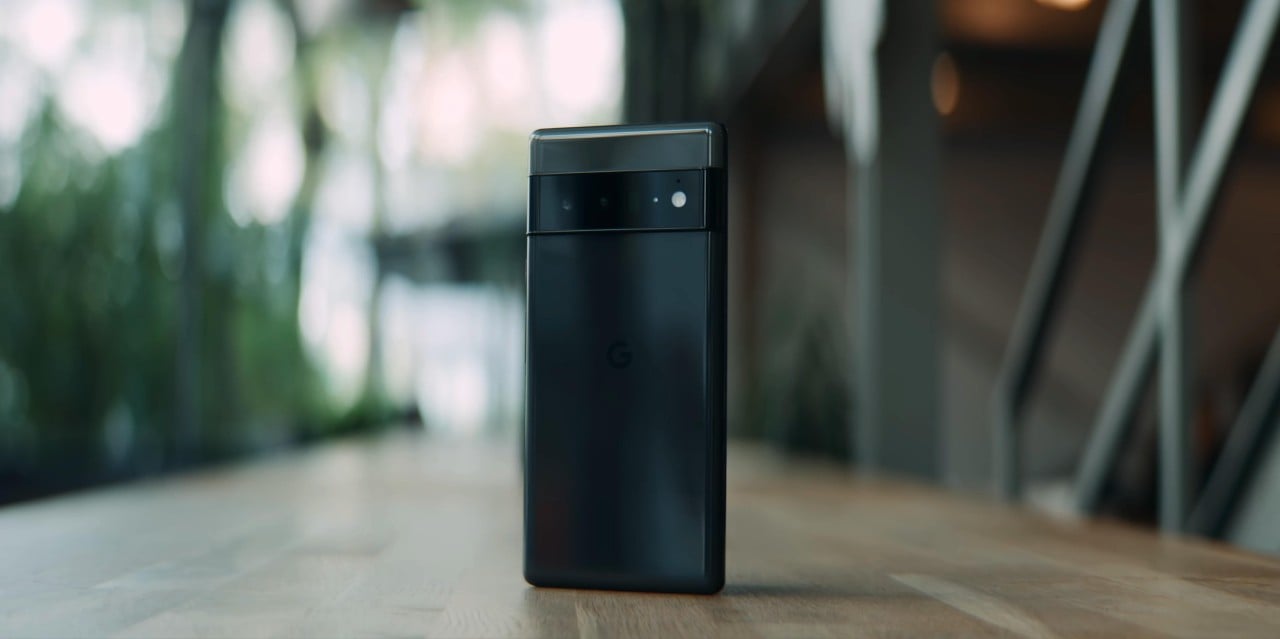
Google’s next generation of smartphones promises to focus on design and software tricks to compensate for more conservative hardware specs. While rumors from the technology industry point to a possible reduction in the RAM memory of the new devices compared to the previous generation, the company is preparing an ace up its sleeve for the most expensive model in the line. This is a lighting system integrated directly into the camera module, designed to change the way the owner interacts with daily alerts and phone calls.
Rescue of visual notifications gains space in the photographic module
The first-of-its-kind feature, which was circulated behind the scenes under the internal codename Brightness-Focused Development, now goes by the trade name HiLight. This hardware tool will be positioned in the traditional rear horizontal bar of the most advanced version of the cell phone. The manufacturer’s main proposal is to allow the user to know exactly what is happening on the mobile device without having to touch the display, lift the device from the table or interrupt their concentration on the physical environment.
Historically, old Android cell phones had small front LEDs for warnings, something that almost completely disappeared with the arrival of infinite screens that occupy the entire front of the chassis. Recently, Asian brands like Nothing have brought this aesthetic back with complex luminous interfaces. Now, the search giant is adopting a similar strategy for its ecosystem, but deeply tied to its own cloud scheduling and data processing services.
App Analysis Exposes Custom Call Settings
The deepest details about how this new feature works did not come from leaked factory images, but rather from the American manufacturer’s own software structure. A recent update released to the company’s official calendar manager contained hidden schedule lines that describe exactly how the light panel will operate on a day-to-day basis. Software engineers who dug into the app’s source code found configuration menus that are not yet visible to the general public.
The operating system will allow the user to choose specific tones for important people registered in the phonebook. This way, when a family member, a close friend or a co-worker calls, the back of the cell phone will flash in an exclusive tone, ensuring immediate recognition and being completely silent. The code discovery reveals the level of control the owner will have over the back panel.
- Native option to configure bright alerts exclusively on contacts marked as favorites in the calendar.
- Nine pigmentation options confirmed in the code: blue, cyan, green, orange, pink, purple, turquoise, white and yellow.
- Virtual buttons to apply a general lighting rule to all incoming calls.
- Commands to dismiss automatic operating system suggestions for specific contacts.
Integration with a virtual assistant requires a change in user habits
In addition to serving as an analog and colorful caller ID, the illuminated bar will have a direct link to Gemini, the company’s natural language processing and artificial intelligence platform. Preliminary publicity materials suggest that the light output will not just be static or limited to one solid color at a time, but capable of creating fluid, multicolored animations depending on the complexity of the task performed by the processor.
A technical detail that draws attention is the physical requirement for these advanced animations to fully function. Evidence suggests that the virtual assistant’s light show will only be activated if the smartphone is resting with the front glass facing down on a flat surface. This design mechanic encourages distancing from the bright screen during voice interactions, promoting more focused use, reducing screen time, and aligning with the company’s own digital well-being policies.
Expanding the feature beyond the phonebook
Restricting such a versatile and flashy piece of hardware to just traditional phone calls would be a waste of the engineering potential that went into building the chassis. The expectation of the developer community is that the component’s programming interface will be open to third-party platforms in future updates of the operating system, allowing for much broader customization.
If this opening occurs officially, instant messengers, food delivery apps and social networks will be able to send direct commands to the back bar. A text message warning from a specific app could flash green, while a low battery alert or bank transaction notification would take on a reddish or orange hue, transforming the back of the phone into a secondary control panel that is highly intuitive and indispensable for the modern day.