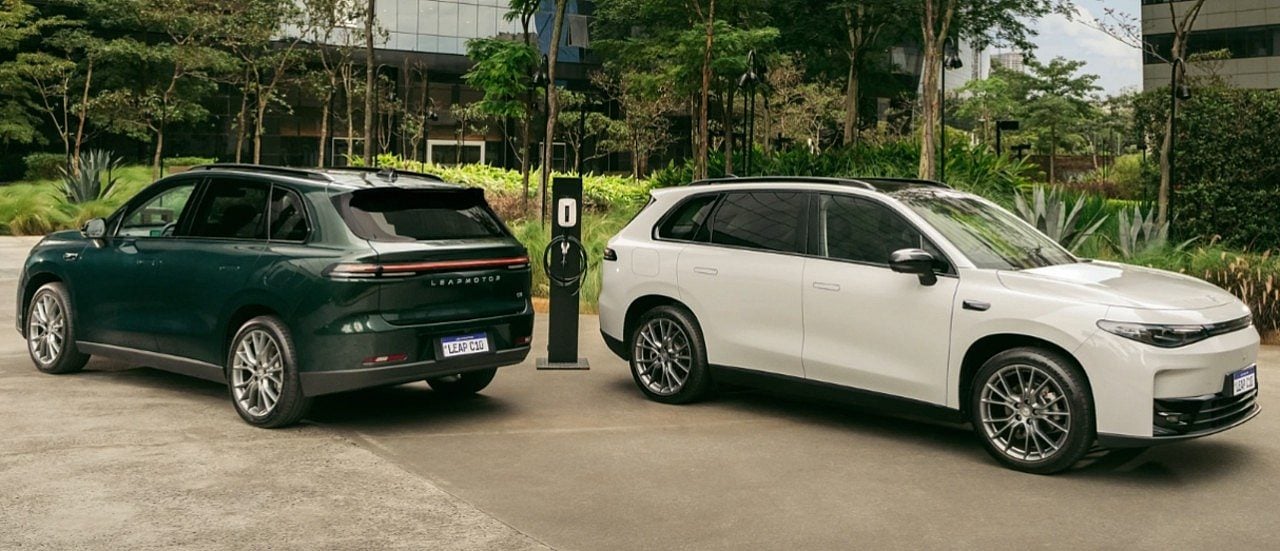
The way extended range electric vehicles (REEV) are used has been rapidly transforming, with many owners choosing to run predominantly in electric mode and significantly reducing their gasoline consumption. This trend, noted on August 9, is a direct reflection of the advancement of batteries, which now offer enough autonomy for the combustion engine to be activated only on longer trips. The phenomenon drives the popularity of this technology both in China and in emerging markets such as Brazil.
The evolution of batteries and the new use profile of REEVs
Although the concept of gasoline generator vehicles has been known for some time, recent improvements in battery capabilities have drastically changed the outlook. Older models more often relied on combustion engines to generate power, while current REEVs incorporate batteries that rival the range of many purely electric cars. This fundamental change allows drivers to exploit electrical potential for extended periods.
What does it mean to go weeks without refueling?
In practice, the extended electric range offers drivers the convenience of spending weeks, and even months, without the need to fill up the gas tank. The combustion engine is reserved for specific situations, such as longer journeys or times when electrical charging is not available. This feature alleviates so-called “range anxiety” and provides a cleaner and more economical daily driving experience for the consumer.
The rise of REEV technology in the Chinese market and its arrival in Brazil
China has been a great stage for the development and acceptance of REEVs, where the technology has been gaining strong ground among consumers. The practicality of having a vehicle that works as an electric vehicle on a daily basis, but with the safety of a gasoline generator for extended trips, is a decisive factor. In Brazil, this trend is starting to manifest itself, presenting an interesting alternative for those looking to reduce their carbon footprint without the perceived limitations of pure electrics.
Benefits of extended range vehicles for the driver
- REEVs offer a strategic combination of advantages that suit different driver profiles. Among the main benefits, the following stand out:
- Greater total autonomy, combining electric and gasoline for longer trips.
- Significant reduction in fuel consumption on daily journeys, reducing operating costs.
- Flexibility in recharging, as the gasoline engine acts as a generator when the battery is low.
- Lower range anxiety compared to pure electric cars, due to the guarantee of the combustion engine.
- Contribution to reducing emissions in urban environments, where electric mode is most used.