
Samsung’s Galaxy Watch 9 brings lots of health data and points to the future of wearables

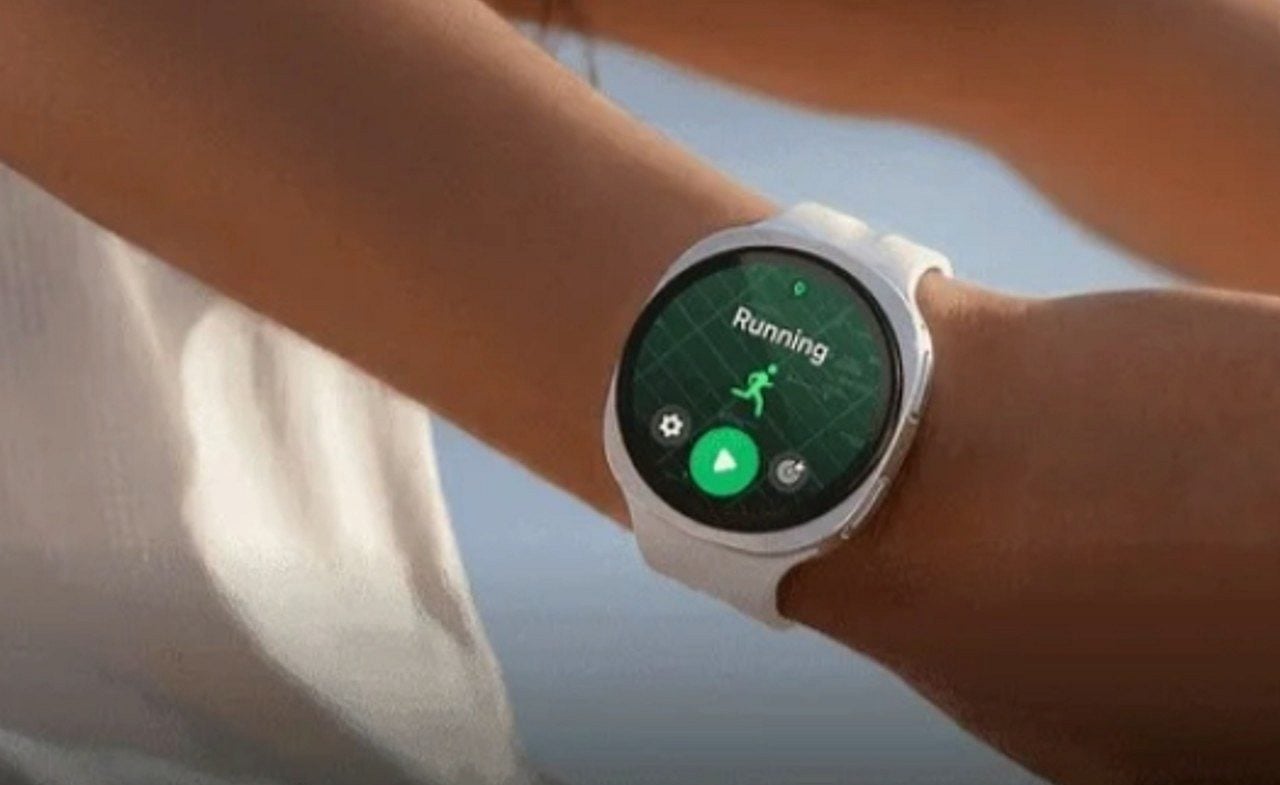
The Samsung Galaxy Watch 9 hits the market in August 2026, with a focus on gradual improvements rather than a technological revolution. This launch reflects a market trend where companies seek to refine their existing products.
The new model features an improved processor, the Snapdragon Wear Elite, as well as new health metrics and a longer battery life in the 40 mm model. These improvements position the device for a future of broader integration.
While it’s not a category-redefining smartwatch, the Galaxy Watch 9 is an excellent option for new users, offering features that align the device with Samsung’s long-term vision for its wearables. The full effectiveness of these innovations, however, may be seen more clearly with the arrival of the next generation.
Launch and features of the Galaxy Watch 9
Samsung’s Galaxy Watch 9 features a larger capacity battery, expanded health metrics accessible via the Samsung Health app, and the all-new Snapdragon Wear Elite processor. Galaxy Watch 7 or 8 users probably won’t see the need for an immediate upgrade unless they’re specifically looking for better battery life. This is an ideal device for anyone purchasing a smartwatch for the first time, especially for those who already have a Samsung brand cell phone.
The Future Vision of Samsung Wearables
One of the main purposes of the Snapdragon Wear Elite chip is to dissociate the smartphone from its central role in the personal device ecosystem. The idea is to incorporate a variety of wearables equipped with artificial intelligence, which operate together and in an integrated manner. According to Samsung’s official statement, “smart glasses represent this next step”, indicating the imminent arrival of these devices, which have already been followed by the market for more than a year.
In this scenario, the smart glasses that Samsung plans to launch will work in synergy with the Galaxy Watch 9. They will allow you to summarize the content viewed, read and translate information, contextualize data and activate gestures registered by the watch. Thus, the Galaxy Watch 9 establishes itself as a fundamental element in the architecture of the smart glasses ecosystem, which may explain the delay in its introduction. Although activation of smart glasses occurs via voice and gestures, it is the Galaxy Watch 9 that will activate these gestural commands.
Performance and activity monitoring
Using the Galaxy Watch 9 is highly satisfactory for physical activities. The device excels in fulfilling its primary functions, such as counting steps, monitoring exercises and sending encouraging messages after training sessions. The Super AMOLED screen, with a brightness of 3,000 nits, makes it easy to view information even during breaks from a weight training session, and the diversity of new health monitoring features ensures a continuous flow of data to follow.
The Galaxy Watch 9 runs on Google’s Wear OS 7 and Samsung’s One UI 9 interface, offering features like Heart Health Score, Fitness Index, and Daily Cardiovascular Load. These tools provide a comprehensive view of short- and long-term health information. For example, you can check your daily cardiovascular load to monitor step goals and then analyze your Heart Health Score to see how these daily changes evolve over time.
During a run in London with the Galaxy Watch 9, new learnings were learned about the watch’s performance.
The accuracy of the device has also been proven. In a test with the Galaxy Watch 9’s heart rate monitor during a treadmill workout, the data was compared with the Polar H10 chest strap, considered the gold standard. The results were remarkable: the average heart rate of the Galaxy Watch 9 showed a difference of just 3 beats per minute compared to the Polar H10, while the maximum heart rate differed by just 1 bpm, demonstrating excellent agreement. In terms of calories burned, the Polar H10 clocked in at around 8.3 per minute, and the Galaxy Watch 9 scored 7.9.
Another practical feature of the Galaxy Watch 9 is the hydration function, which vibrates during runs to remind the user to drink water, adjusting to the level of effort. Although the idea may seem simple, this functionality is especially useful for athletes who exercise for long hours under the sun or for users who often forget to hydrate throughout the day.
Battery life and usage experience
Samsung promised that the watch would achieve approximately 30 hours of battery life with the always-on screen, and initial tests confirmed this estimate. The device, charged to 98% at 9:33 am on July 27, discharged to 2% at 9:15 pm on July 28, totaling approximately 36 hours and 30 minutes of continuous use.
The Galaxy Watch 9’s 390 mAh battery delivers what’s expected, but charging speed is still a point for improvement. Compared to the Pixel Watch 4, which recharges in approximately 45 minutes, the Galaxy Watch 9 takes about an hour and 20 minutes to go from 0% to 100%, which may be considered a long wait time for some users.
Despite the watch’s functionality, comfort may be an issue for thinner wrists. The standard silicone strap proved to be heavy, sticky, and prone to sticking to the skin. Switching between hole adjustments resulted in a fit that was either too tight or too loose. Additionally, the fixed clips that secure the band often moved, causing it to come loose during runs or daily activities. It is recommended to purchase an additional strap, made of water-resistant material and more comfortable for continuous use.
The complexity of healthcare data
Samsung demonstrates a robust approach when it comes to quantifiable health indicators. One example is Vitals, one of several new metrics available in the Samsung Health app. This tool analyzes a selection of biomarkers already monitored by the watch, such as resting heart rate, heart rate variability, respiratory rate and blood oxygenation. The objective is to identify deviations or possible problems in relation to each individual’s baseline levels.
The app offers a wide range of scores, including assessments for sleep, sleep apnea, energy, heart health, cardiovascular load, antioxidant levels, and metabolic health. Even after days of testing, the practical usefulness of this abundance of classified data to induce behavioral changes still raises doubts.
At the moment, the amount of information seems to be just another set of data for analysis, without a clear focal point. In this context, the presence of an assistant or healthcare agent based on artificial intelligence would be of great value. While Samsung is indeed paving the way for a smart tool with these metrics and testing its own health assistant in beta, the layer of contextualization is still insufficient. Without it, users are faced with an excess of numbers and reviews.
Usage and purchase recommendations
The Galaxy Watch 9 is a product that can be recommended for anyone who is buying a smartwatch for the first time. It’s an easy-to-use device, capable of monitoring all the metrics you want, and works well for everyday use. However, sleeping comfort with it was not ideal. One suggestion is to purchase a different bracelet if you intend to wear the watch 24 hours a day, 7 days a week, as the one that comes with the product may be too airtight and waterproof for some users.
Buying this watch is highly recommended for exercise monitoring and general health purposes, especially for those looking for a smartwatch that allows you to receive messages and calls, functioning like a smartphone on your wrist. The long battery life is a big difference, allowing use for more than a day without needing to be recharged.
Recognition for overall performance
Samsung’s latest premium smartwatch performs well on all its essential functions, including tracking workouts, tracking sleep, and offering short- and long-term health insights. The battery lasts more than a day, providing about 36 hours of use to gain insights into daily and historical cardiovascular trends, understand blood pressure, and potentially optimize sleep patterns. The Galaxy Watch 9 is good value for money and stands out as an effective companion for monitoring health on several fronts.





