Apple prepares iPhone 18 Pro and foldable model to revolutionize the market in 2026
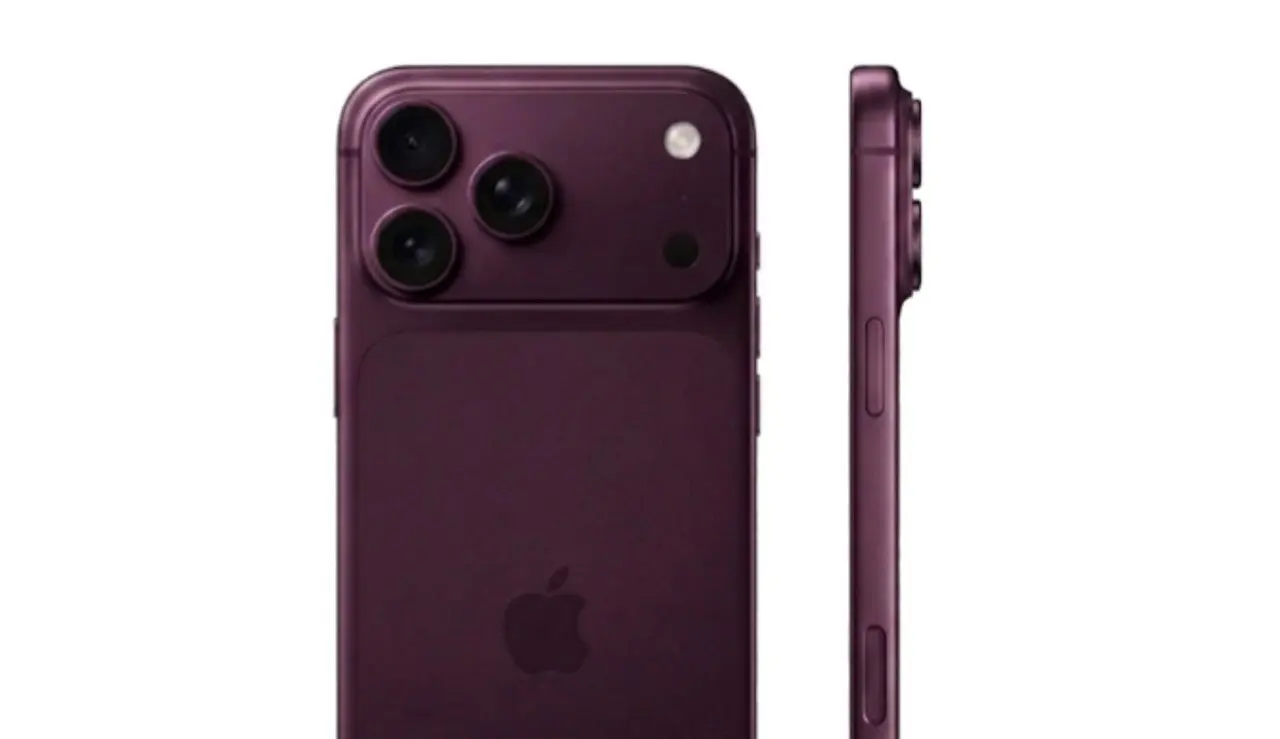
The Cupertino giant plans a significant overhaul of its premium smartphone portfolio for the second half of 2026, betting on two completely different fronts of development. On the one hand, the company consolidates its traditional line with the iPhone 18 Pro, focused on profound photographic advances and superior power management. On the other, the brand finally enters the coveted flexible device market with the unprecedented iPhone Ultra, which will feature an expansive 7.8-inch internal display. This catalog bifurcation will require consumers to carefully evaluate which format best meets their daily productivity and entertainment demands.
Processing architecture advances to two nanometers
The heart of both devices will be the brand new A20 processor, manufactured by Taiwanese giant TSMC using advanced 2 nanometer lithography. This extreme miniaturization of transistors represents a monumental leap forward in the semiconductor industry, allowing the new chips to deliver up to 15% higher operating speed compared to the A19 generation. In addition to the significant gain in gross performance, efficiency in energy consumption should register a notable improvement in the range of 30%, relieving the load on internal components.
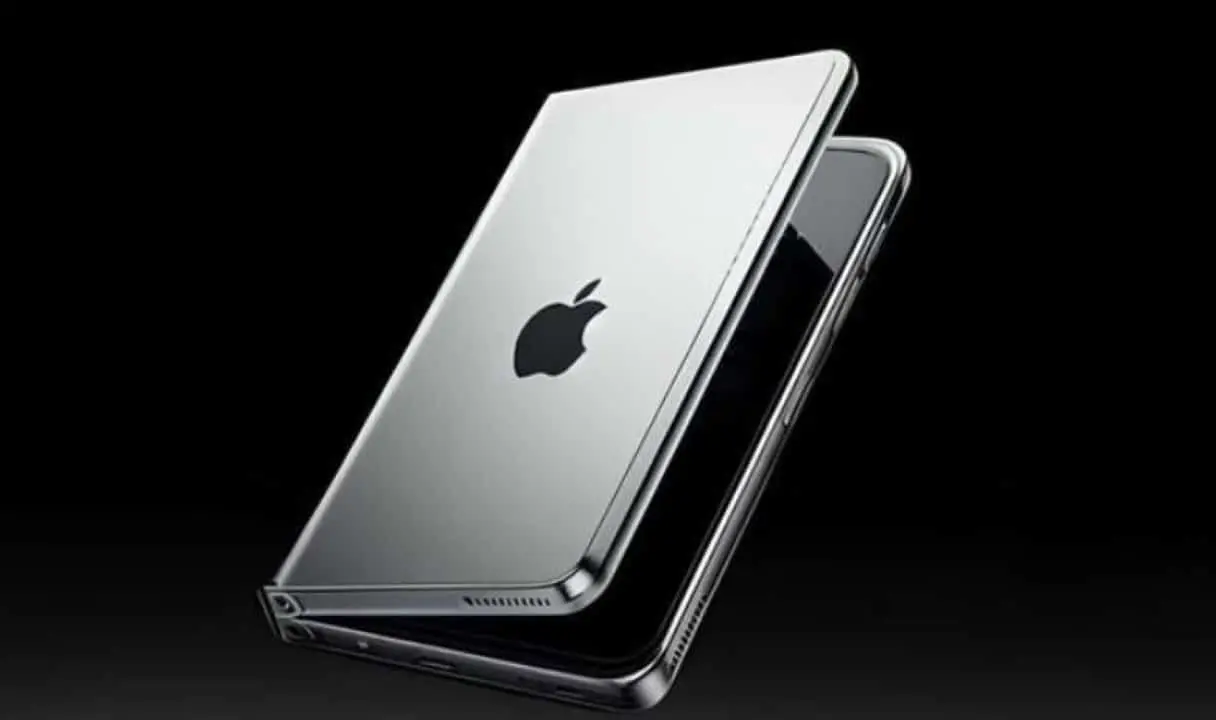
However, the manufacturer must segment the firepower between launches to justify different market positions. Behind-the-scenes information indicates that the more expensive variants of the traditional line will receive an exclusive version called A20 Pro, designed with more robust graphics cores and an expanded neural engine to process complex artificial intelligence tasks locally. Meanwhile, the flexible Ultra model must be equipped with the standard version of the component, a hardware distribution strategy that still awaits official confirmation from the American company.
More on this story: Rumors point to the arrival of Apple’s first foldable cell phone and the new look of the Pro line
Optical set highlights the priorities of each project
The ability to capture images will be the main watershed between the two new products prepared for the market. The iPhone 18 Pro will sport a rear module with three advanced sensors, introducing a new mechanical technology in the Apple ecosystem: the variable aperture on the 48 megapixel main lens. This physical mechanism allows the camera’s diaphragm to dynamically adjust, restricting light entry on sunny days and opening to its maximum in nighttime environments, ensuring authentic optical control over depth of field without relying exclusively on computational software tricks.
On the other hand, the Ultra version will need to give up some cutting-edge photographic features due to the severe physical limitations imposed by its articulated chassis. The device will only have two rear cameras, losing the powerful 48 megapixel telephoto lens with eight times optical zoom, which will continue to be restricted to bar format models. Although the two sensors present in the foldable device offer excellent quality for everyday recordings, the absence of dedicated hardware for long-distance zoom reflects the sacrifices necessary to make the flexible screen viable.
The technology market is already speculating about future sensor updates, mentioning even larger components to capture more details, but these specific innovations are not expected to be part of the launch window scheduled for September. Current engineering focuses on optimizing the available space.
- Version 18 Pro: Triple capture system, debut of mechanical variable aperture and high-range telephoto lens.
- Ultra Edition: Dual camera module, format focused on portability and lack of advanced optical zoom.
- Photographic advantage: Clear superiority to the traditional model in night scenes and image approximation without loss of quality.
Battery life and the hurdles of articulated design
In terms of energy, consumers looking for longevity away from the socket will have solid guarantees with the iPhone 18 Pro Max. Detailed supply chain reports indicate that this device will house an energy tank ranging between 5,100 and 5,200 mAh, working in perfect harmony with state-of-the-art LTPO+ panels. This combination of a screen with an economical refresh rate and a generous battery promises to considerably extend daily use time, adding to the thermal benefits of the new miniaturized chip.
The scenario for the foldable newcomer remains shrouded in technical doubts that worry sector analysts. Powering a massive 7.8-inch internal panel requires a colossal amount of energy, much higher than that consumed by conventional 6.9-inch screens. The big engineering hurdle is the complex folding mechanism, which adds structural weight and takes up precious internal space that would normally be allocated to battery cells, leaving the Ultra’s actual capacity a big unknown.
See Also

Intense fires in Croatia cause one death and leave 40 injured

Neighbors rescue 4-year-old child after fall from 5th floor in Poland

Horoscope of the day: Predictions for Libra show a period of decisive agreements and professional success
Learn more: Stock of Apple’s unprecedented foldable smartphone will be restricted at launch
Trying to draw a parallel of autonomy between the basic Pro model and the foldable version ends up being an imprecise exercise. The true comparison metric for intensive users must be made against the Pro Max variant, which currently emerges as the only option with battery life improvements duly documented and tested by the industry.
Risks inherent in the first generation of a complex format
Adopting the first iteration of such a complex product brings inevitable challenges that even the most advanced laboratories cannot fully predict. The hinge’s resistance over thousands of opening cycles, the dreaded crease mark in the middle of the screen, and the operating system’s adaptation to fluid size transitions are factors that only real-world use can validate. Although the company is investing heavily to overcome the structural flaws that plagued the first Android-powered foldables, achieving perfection on the first try is rare in the history of technology.
Some design concessions are already evident even before the official announcement. The Ultra’s chassis, which will measure around 11 millimeters thick when closed, won’t have enough internal space to integrate the popular MagSafe magnetic charging technology. This absence breaks compatibility with a vast ecosystem of accessories already established on the global market.
In contrast, the iPhone 18 Pro will maintain a familiar and refined silhouette, with dimensions almost identical to its direct predecessor, presenting millimetric variations that are imperceptible to the touch. This ensures that the magnetic charging system works flawlessly, while the iOS software continues to run in a thoroughly tested single-screen environment, free from surprises or interface stutters.
How to decide which release suits your usage profile
The purchasing decision will fundamentally depend on what the user values in their digital and professional routine. Content creators and photography enthusiasts will find the iPhone 18 Pro to be the ultimate tool, thanks to the innovative variable aperture and complete optical package that guarantees versatility in any lighting condition. Likewise, those who don’t want to give up spending the whole day without worrying about portable chargers should aim for the Pro Max model, which has widely documented battery specifications and energy efficiency.
On the same topic: Technology giant reveals iPhone 18 Pro Max and debuts on the foldable cell phone market
For consumers fascinated by the idea of carrying a compact tablet in their pocket, the foldable model has an undeniable appeal of modernity and status. However, unless the expansive screen is a critical necessity for reading documents or immersive media consumption, waiting for the technology to mature into a future second generation may be the wisest financial choice. While the Pro line represents the safe and guaranteed evolution of a renowned format, the Ultra project requires a vote of confidence in the manufacturer’s promises of innovation.