
Russia turns to North Korea to contain military recruitment crisis

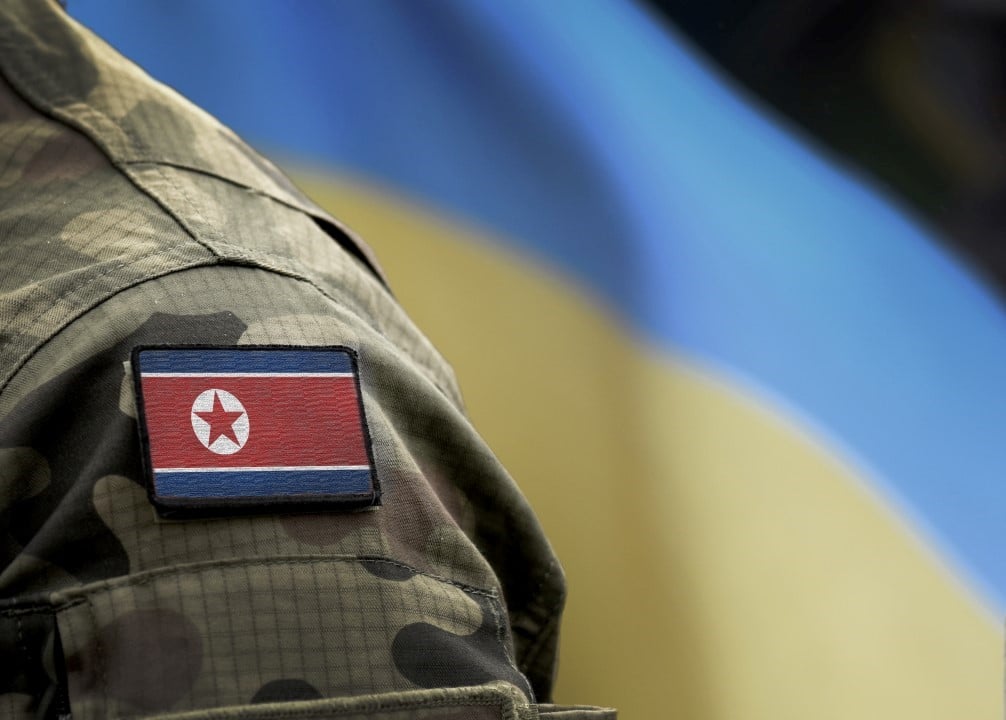
Ukrainian President Volodymyr Zelensky stated on Sunday (9) that up to 50,000 North Korean troops had been mobilized to fight alongside Russian forces. For an expert interviewed, the large-scale call-up of foreign fighters highlights Moscow’s difficulty in mobilizing its own troops in Ukraine, signaling a significant challenge in Russian military strategy.
Zelensky did not detail the origin of this number, which represents a substantial increase compared to the estimate of 30,000 fighters in July. For Marie Mendras, professor of International Relations at Sciences Po University in Paris, this situation reveals the impasses that limit the Russian Army’s progression on the front line. Mendras said that “The needs are growing if the Kremlin wants to keep the war on the ground – that is, launch new offensives.” The professor also added that “The Russian Army is unable to mobilize the hundreds of thousands of men it would need to resume an offensive in Ukraine.”
Russian President Vladimir Putin and North Korean leader Kim Jong-un signed a strategic partnership treaty in June 2024. The agreement includes a mutual assistance clause if either country suffers external aggression.
That same year, North Korea sent approximately 14,000 troops to the Russian region of Kursk. This force helped Russia contain a significant incursion by Ukrainian troops into the area.
Two years after these events, the scenario is different for Russia, according to Mendras. The expert estimates that around 1.5 million Russian soldiers were killed, injured or unable to continue fighting.
Mendras assesses that, in both the east and southeast of Ukraine, the Russian army has not been able to advance for several months, being forced to retreat in certain locations. The priority of Russian forces therefore appears to be to sustain their current positions to avoid further territorial losses.
Challenges faced by Russia in mobilizing new soldiers
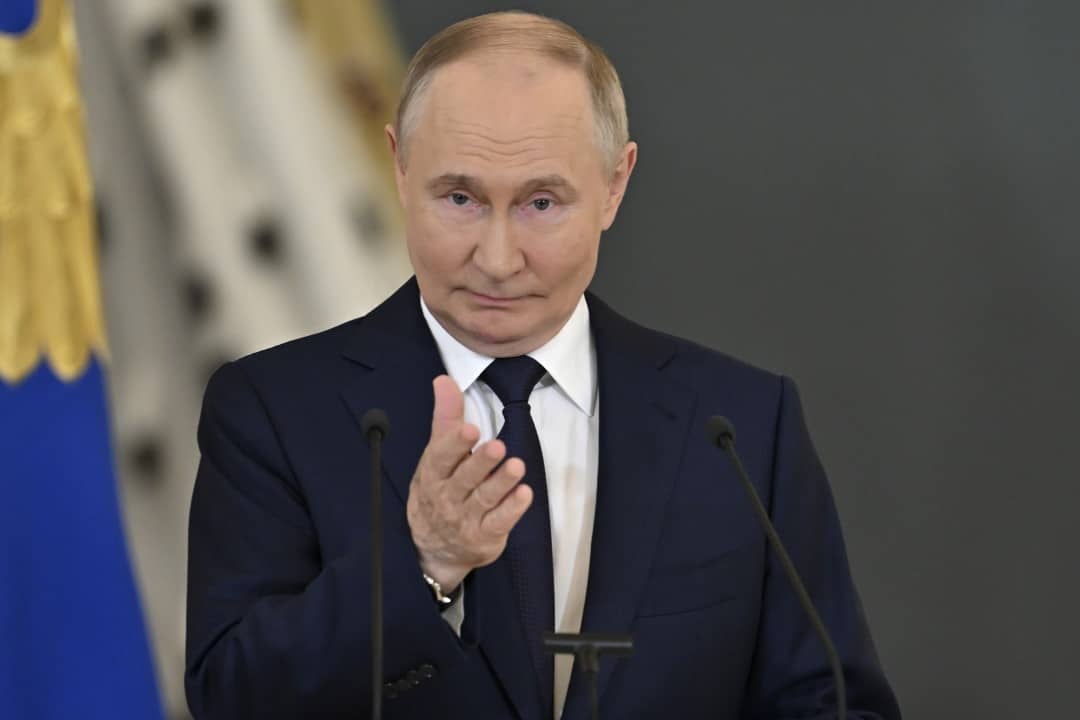
The Sciences Po professor also stated that Russia faces significant obstacles in recruiting new fighters.
Officially, a mobilization starting in September 2022 allows Moscow to maintain a continuous call-up system. However, the methods employed by the Russian government are controversial. Mendras said: “What they do is launch ‘special operations’ – as they like to call it – to recruit men, often by force or by threatening their families. And it’s not clear how these recruits, who are unprepared and unwilling to go to the front lines, could actually be effective.”
The expert also points out that the Russian army faces serious problems in occupied territories, such as the Crimean peninsula and eastern Ukraine. According to her, the occupation is proving to be ineffective, and, given the difficulties, part of the population is trying to leave the areas under control. “The administrations of these territories are marked by corruption, and their military personnel are sent mainly to the front line. This means that they are not mobilized to guarantee the administrative management of these locations”, he added.
Conflict in Ukraine turns into missile war
For this reason, Mendras projects that the future of the conflict in Ukraine will focus on intense missile exchanges, with a likely escalation in launches in the coming weeks. Kiev is critically lacking in advanced air defense systems, and Moscow will seek to exploit this vulnerability by using an increasing number of ballistic projectiles, which are particularly difficult to intercept.
In this new phase of the conflict, the Russian army shows signs that it will continue to depend on support from North Korea.
A head of the Ukrainian military intelligence services recently stated that a North Korean missile unit has begun its deployment to western Russia. This unit could be equipped with 120 ballistic missiles and six launchers, with the capacity to reach Ukraine.
According to Ukrainian and independent sources, Pyongyang also supplied Moscow with millions of artillery and mortar shells, ballistic missiles, long-range devices and multiple rocket launcher systems.
To date, neither the North Korean regime nor Russia have officially confirmed this information.



