
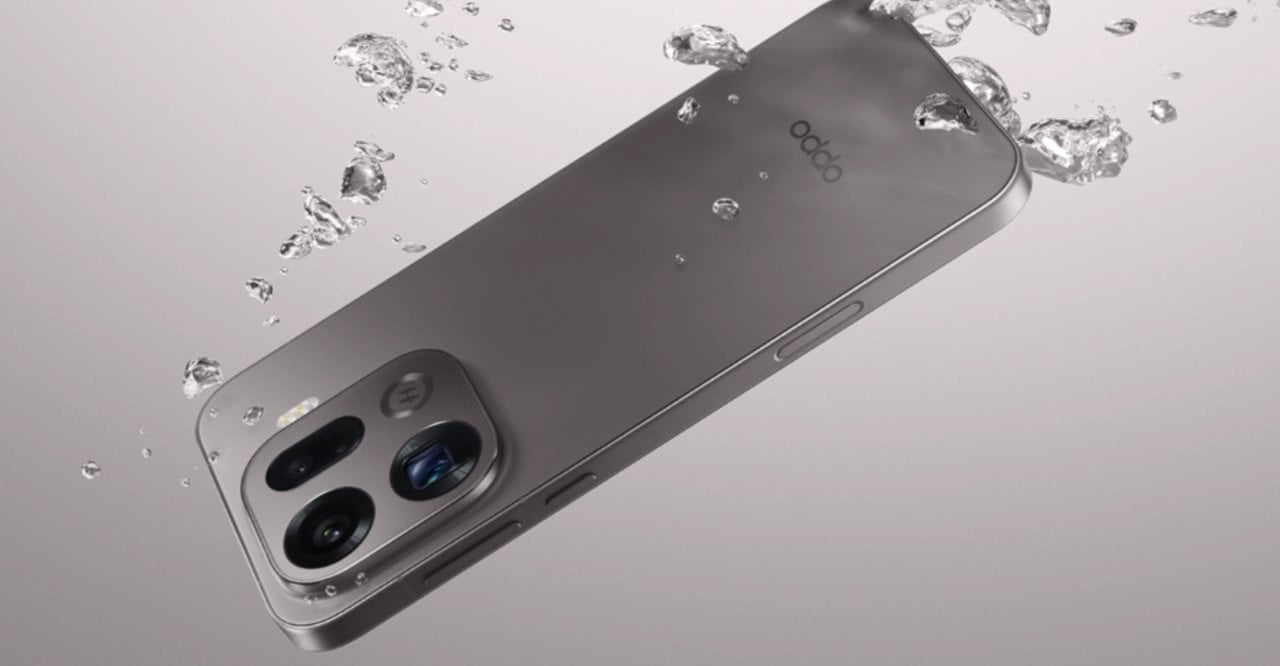
Chinese electronics manufacturer Oppo has officially resumed its business operations in Germany, marking the end of a three-year hiatus. Local consumers can now directly purchase the brand’s smartphones, with emphasis on the cutting-edge Find X9 Pro model, inaugurating a new phase for the company on the European continent.
In this initial phase of return, the catalog also includes the Reno line, aimed at the premium intermediate segment and recognized for its good value for money, in addition to the A series, focused on entry-level devices. This strategic move places the Asian manufacturer in one of the most sought after and profitable technology hubs in Europe.
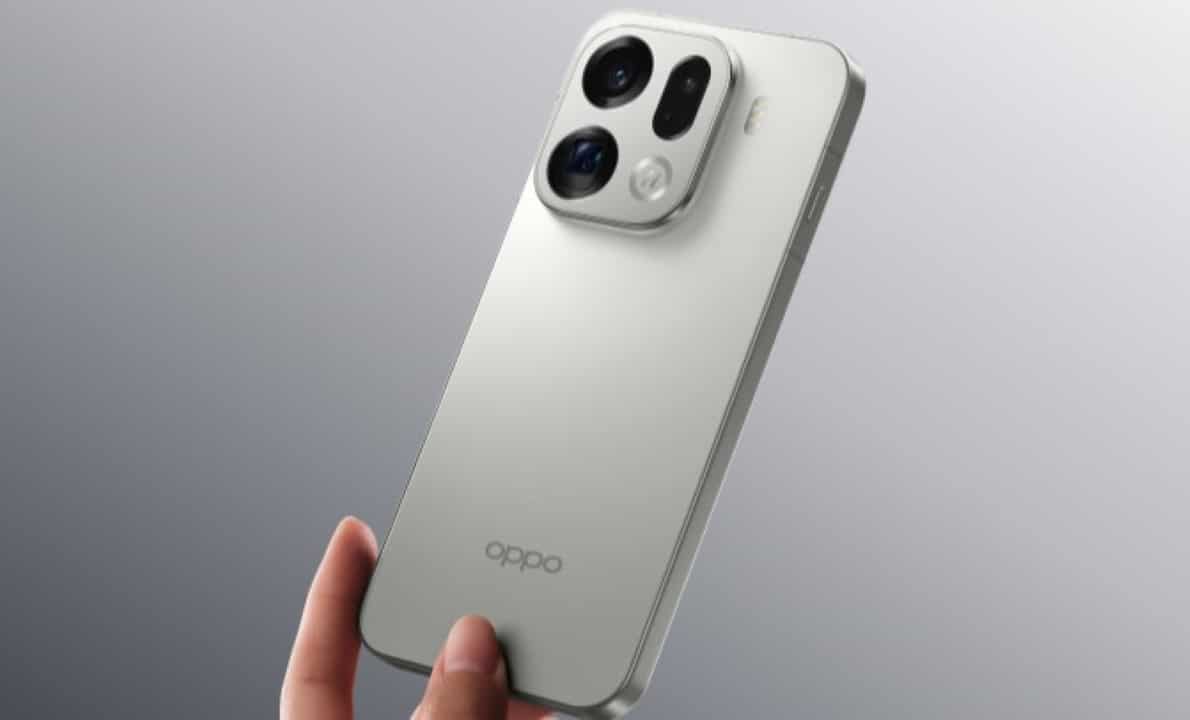
The resumption of sales comes just a few months after the resolution of a long legal dispute involving patents with Nokia, which had forced the halt of German activities in 2022. With the agreement sealed, the corporation chose to prioritize direct-to-consumer sales channels at this first stage, planning a gradual expansion of its logistics infrastructure.
Details about the end of the judicial blockade involving Nokia
The suspension of the Chinese manufacturer’s operations in German territory was a direct consequence of an injunction granted in 2022 by the Munich Regional Court, which won the case for Nokia. The Finnish company alleged that its competitor misused essential patents for 4G and 5G connectivity in its mobile devices. As these licenses are classified as Standard Essential Patents (SEP) — fundamental for the functioning of any modern network —, the court ordered the immediate ban of the products, imposing a serious setback on the brand’s European expansion plans. The litigation dragged on for two years, during which time the company had to redirect its commercial efforts to other regions. The impasse was only resolved in early 2024, when both parties signed a global cross-licensing agreement, ending lawsuits in several jurisdictions. This resolution not only allowed the return to stores, but also guaranteed legal security for future joint innovations in the telecommunications sector.
Main specifications of the new high-end smartphone Find X9 Pro
The great asset to win back the German public is the Find X9 Pro, a device positioned in the super premium category. Hitting shelves with a suggested price in the range of 1,300 euros, the device was designed to go head-to-head with the most expensive models from Samsung and Apple. The main differentiator of the equipment is its robust camera module, developed in collaboration with the legendary Swedish manufacturer Hasselblad, which guarantees professional color calibration and extremely high fidelity image processing.
Under the hood, the cell phone is powered by the MediaTek Dimensity 9500 processor, a high-performance chip capable of running heavy applications and demanding games without choking. To support this firepower, the manufacturer included a massive 7,500 mAh battery, promising autonomy greater than a full day of intense use. The display is another technical highlight: it is a 6.78-inch LTPO AMOLED panel with a variable refresh rate of up to 120 Hz, which optimizes energy consumption. The screen reaches an impressive peak brightness of 3,600 nits, ensuring perfect readability even in direct sunlight.
Photographic innovations driven by partnership with Hasselblad
The alliance with the Swedish brand is the backbone of the new flagship’s visual experience. The rear assembly is led by a 50-megapixel main sensor equipped with optical image stabilization (OIS), a vital feature for producing sharp photos and shake-free videos, especially in nighttime scenarios.
The component that draws the most attention in the module is the 200 MP periscopic telephoto lens, which delivers extremely high-precision optical zoom and allows digital zoom of up to 120 times. With this technology, users are able to record minute details of distant elements, achieving a level of clarity rarely seen on mobile devices.
To complete the photographic package, the smartphone has a 50 MP ultrawide lens, ideal for capturing wide landscapes, and a front camera with the same resolution. The integration of a laser autofocus and a color spectrum sensor improves capture speed and white balance, resulting in photographs with extremely true-to-life tones.
Other cell phone options reaching European retailers
In addition to the more expensive version, the company made the standard Find X9 available, which inherits much of the hardware from the superior model, but adopts a slightly simplified camera system to reach a more affordable price, around 1,000 euros.
For those looking for a middle ground, the Reno14 family appears as a robust alternative, combining respectable specifications with a competitive value. This line focuses on delivering good performance and competent cameras, making it the ideal choice for consumers who prioritize aesthetics and refined design.
At the base of the portfolio, the A series serves the public that needs a functional and cheap cell phone. These models are focused on delivering long battery life and fluid navigation for daily tasks, without making the product more expensive with features aimed at enthusiasts.
The initial distribution tactic is focused on e-commerce, allowing direct contact with the first buyers. However, the expectation is that the devices will begin to occupy the windows of the country’s main retail chains in the coming weeks, significantly increasing the brand’s visibility.
Expansion of the smart phone and watch ecosystem
At this time of relaunch, the offer of complementary accessories on the German market is still timid. The board’s strategy is to first consolidate public trust in the cell phone segment and then aggressively introduce its ecosystem of connected devices.
Among the wearables already available in the online catalogue, the following products stand out for European consumers:
- Enco Buds 3 Pro: wireless headphones that deliver active noise cancellation and high-fidelity audio for around 60 euros.
- Watch X2 Mini: smart watch that is already listed on the official website with monitoring features, although it is still waiting for stock to be released for immediate purchase.
The strategic importance of the German consumer for the brand
Germany represents a crucial territory for the manufacturer due to the high purchasing power of its population and the strong demand for premium cell phones with a focus on photography. The return to the country is a milestone for the company’s consolidation in Europe, joining other nations where sales had already been normalized after the peace reached with Nokia. To gain space, the company is betting on differentiators such as ultra-fast charging and hardware innovations.
How does it work with OnePlus devices?
A curious detail of this period of ban is that OnePlus, the company’s sister brand, continued to operate normally in German territory. Both are part of the giant Chinese conglomerate BBK Electronics and frequently share parts, assembly lines and technological innovations.
The fundamental distinction between the two manufacturers lies in their software experience and market positioning. While the recently returned brand uses the ColorOS interface, OnePlus runs the OxygenOS system, serving different niches. Now, the simultaneous presence of both in German stores strengthens the Asian group’s dominance, offering a wider range of options for fans of the Android system.





