
Demand for AI and lack of RAM drive price rises in GPUs and SSDs

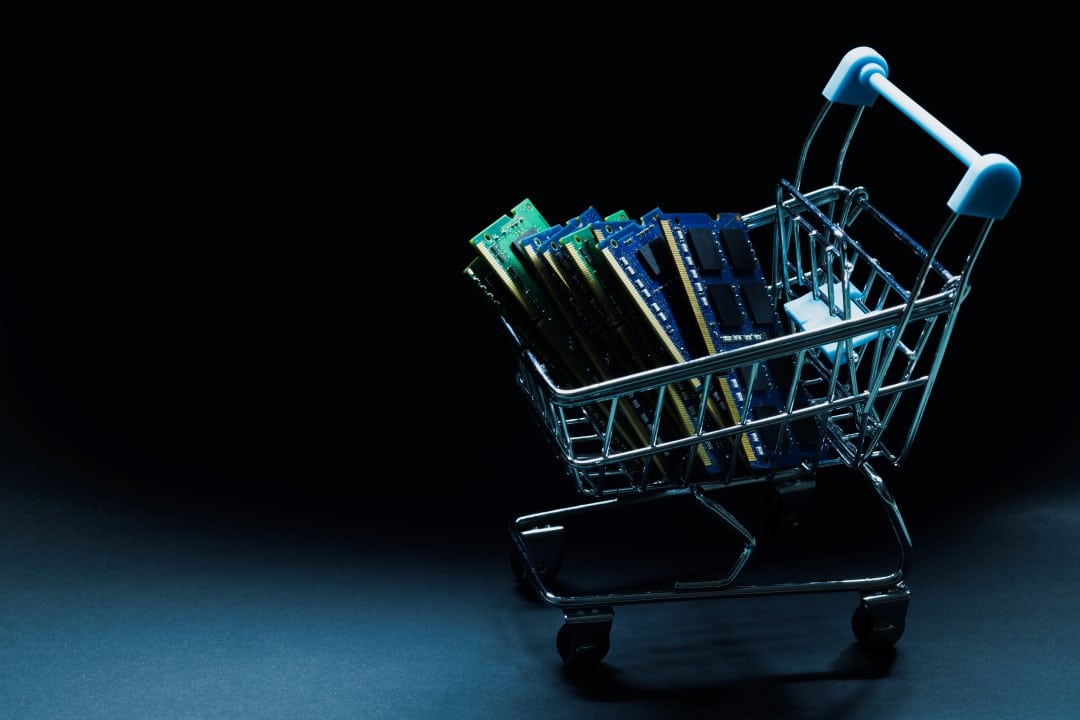
The global technology market is preparing for a phase of rising prices for crucial components, such as GPUs (Graphics Processing Units), SSDs (Solid State Drives) and HDDs (Hard Drives). Expert reports released on May 23, 2024 indicate that RAM shortages, driven by growing demand for artificial intelligence (AI), are expected to maintain upward pressure on costs until at least 2026. The situation reflects a complex interplay between already optimized chip production and a voracious market appetite for computing power. This dynamic has the potential to redefine investment and acquisition strategies for businesses and consumers around the world.
Understanding the dynamics of RAM shortages and the demand for AI
The technology industry sees a complex combination of factors driving the current rise in prices for memory chips, especially DRAM (Dynamic Random Access Memory), vital for the operation of practically every modern electronic device. The main driver of this escalation is the unprecedented expansion of artificial intelligence, which requires massive volumes of high-performance DRAM to train and operate its complex models. AI applications, such as large language models (LLMs) like ChatGPT, require enormous amounts of data and parallel processing, demanding memory with extremely high bandwidth and the capacity to manage operations in real time.
This scenario creates a demand that quickly exceeds the existing production capacity, which was already operating at full capacity to serve other technological segments. In addition to artificial intelligence, the arrival of new generations of personal computers with higher system requirements, advanced smartphones and the exponential growth of servers for data centers also contribute significantly to pressure on the memory supply chain. Large companies such as Samsung, SK Hynix and Micron, global leaders in the manufacture of DRAM and NAND Flash, are redirecting part of their production to primarily serve this high-value-added segment, focused on AI solutions and premium products, which naturally reduces the supply for the mass market.
Escalating prices on key hardware components
The appreciation of RAM memory has a direct and significant ripple effect on the cost of other components essential for the operation of various consumer and industrial electronic equipment. Video cards (GPUs), critical for gaming and graphics rendering, solid-state drives (SSDs), which offer speed and storage efficiency, and even hard drives (HDDs) intrinsically depend on memory chips for their performance and capacity. When the cost of the memory base raw material rises, the production of these other items also becomes more expensive, impacting the profit margin and the final price.
- DRAM price increases are already a perceived reality in the market, with data from TrendForce indicating an acceleration:
- 25% increase in DRAM prices in Q1 2024.
- Projection of a 20% increase for the second quarter of 2024.
This increase is not isolated and indicates a continuous trend, with analysts predicting further adjustments over the next few quarters. The expectation is that the end consumer will begin to feel this impact gradually and consistently, not only in the acquisition of separate parts to assemble or upgrade their computers, but also in the final price of complete computers, laptops, cutting-edge smartphones, tablets and game consoles. Professionals who rely on high-performance workstations, such as video editors and designers, will also be directly affected by higher costs.
Parallels with past crises and the horizon until 2026 for the market
The current situation in the memory components market bears notable similarities to the semiconductor shortage experienced in recent years, amplified by the pandemic and geopolitical issues that have affected global logistics and production. As in the previous crisis, the recovery of the supply chain and the adjustment between supply and demand do not occur immediately due to the extreme complexity and high investment required in chip manufacturing. Experts predict that price normalization could take a considerable period, extending until the end of 2026.
Market analyzes indicate that the first signs of stabilization may emerge from 2025, but a significant drop in prices is unlikely in the short term, especially with demand for AI constantly rising. Major manufacturers such as Samsung, SK Hynix and Micron have already announced heavy investments to expand their production capabilities and develop new memory technologies to meet future demand. However, building and commissioning new factories, or adapting existing ones to more advanced processes, is a process that requires billions of dollars and takes years to complete, delaying the effective response to growing global demand.
What manufacturers and consumers can expect and how to adapt
Faced with rising prices and the persistent shortage of RAM memory, hardware manufacturers are exploring several strategies to mitigate the impacts and keep their production lines operational. This includes optimizing product designs to use memory more efficiently, seeking alternative suppliers in different regions to diversify supply chain risks, and continued investment in research and development for more advanced and higher density memory technologies. The goal is to maintain competitiveness while facing a higher cost environment and, potentially, reduced profit margins.
For consumers, it is essential to monitor market trends and consider that significant promotions on high-demand components, such as those seen during periods of greater supply, may become rarer. Purchasing new devices or upgrading existing equipment may require more careful and advance financial planning. The industry is adapting to a new reality where the availability and cost of memory will be determining factors in the product launch strategy and pricing. Companies and end users, from gaming enthusiasts to professionals who manage large data centers, will need to adjust their expectations and budgets for the coming years, evaluating the cost-benefit and the real need before any acquisition.





