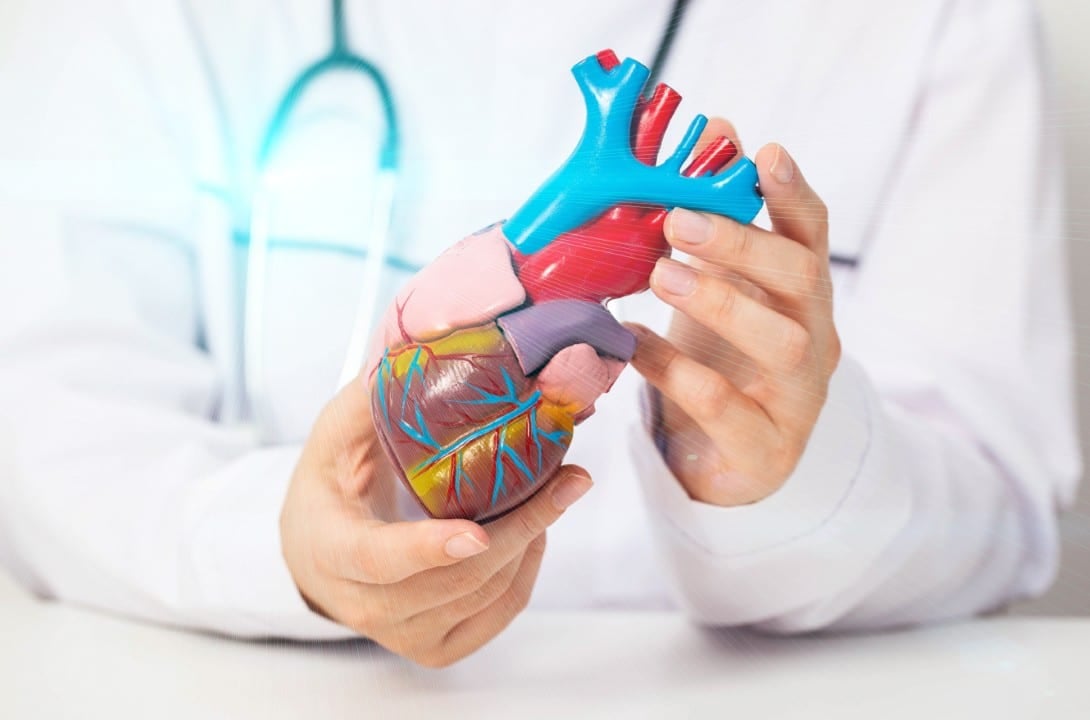
An entrepreneur with an inspiring life story is dedicated to an innovative project that aims to revolutionize medicine: the creation of the first fully functional artificial human heart, printed in 3D, with the expectation that it will become a reality in approximately a decade. Driven by a heart condition diagnosed at birth, Gabriel’s main goal is to drastically reduce long waiting lists for transplants and offer new hope for children with severe heart problems.
Personal inspiration drives medical innovation
Gabriel’s journey is deeply shaped by his own experience with a congenital heart condition. This personal experience became the catalyst for his ambition to develop a solution that could save lives, especially young ones. The search for a 3D bioprinted heart is not just a scientific challenge for him, but a life mission, born from an intimate understanding of the difficulties and urgency faced by patients waiting for a transplant. This personal motivation gives a sense of purpose and urgency to the advancement of technology.
Challenges in creating organs through 3D bioprinting
3D bioprinting of complex organs such as the heart represents a frontier in regenerative medicine, facing significant obstacles that demand continued innovation. While technology allows for simpler tissue printing, replicating the functional complexity of a heart with its chambers, valves and electrical conduction system is a colossal undertaking. Key challenges include:
- Adequate vascularization:Ensuring an efficient blood and nutrient supply to all cells of the printed organ is fundamental to its survival and function, and has not yet been fully mastered in complex three-dimensional structures.
- Cellular and structural complexity:The heart is composed of multiple types of cells that work in synchrony, requiring precision in the arrangement and maturation of cells to replicate its architecture and physiology.
- Electrical synchronization:It is necessary to ensure that the bioprinted heart is capable of generating and conducting electrical impulses autonomously and rhythmically, like a natural heart.
- Scale and biocompatibility:Developing organs of adequate size for human implantation and ensuring that the patient’s body does not reject the bioprinted material are critical steps to clinical success.
The transformative potential for heart transplants
The realization of a 3D-printed artificial human heart represents a paradigm shift in heart transplants. The donor shortage is a global crisis, with thousands of people dying annually on waiting lists. A bioprinted organ could eliminate this dependency, allowing patients to receive a heart on demand. In addition to reducing queues, the ability to personalize the organ for each recipient would minimize the risks of immunological rejection, one of the biggest challenges in current transplants. For children, who often face even more difficulties in finding compatible donors, the technology would mean the chance of a full and healthy life, without the limitations imposed by congenital heart disease.
Next steps and the race against time
The goal of developing a functional artificial heart within a decade is ambitious, but not unfeasible, according to experts. It will depend on continued advances in tissue engineering, materials science and cell biology. Researchers around the world are investing on several fronts, from the improvement of “bio paints” (mixtures of living cells and hydrogels) to the development of more sophisticated bioreactors that simulate the physiological environment of the human body for the maturation of organs. Collaboration between academic institutions, biotechnology companies and government agencies will be crucial to accelerate research and overcome the barriers that still stand between laboratory research and clinical applications that could one day save millions of lives.