The month of August 2026 continues to surprise astronomy enthusiasts, with a calendar full of celestial events to observe in the coming days. Since the second fortnight, the skies will provide planetary alignments, a lunar eclipse and the long-awaited return of the northern lights season in specific regions.
To fully enjoy the wonders of the night, it is important to pay attention to the dates and know where to direct your gaze, ensuring a memorable experience under the stars.
With some shows already behind us, the astronomical program maintains its rhythm with phenomena that promise dazzling views.
Visibility of planets in the morning sky during August
Skywatchers will have the chance to see a parade of planets during the early hours of the day in August. Mars, Uranus, Saturn and Neptune will be visible for a few hours before sunrise. To identify Uranus and Neptune, equipment such as telescopes or powerful binoculars will be needed.
About an hour before dawn, Mercury and Jupiter will also make an appearance, positioned just above the eastern horizon. This celestial arrangement illustrates the ecliptic, the orbital path that all planets trace around the Sun.
Near-total lunar eclipse observation at the end of August
Between August 27th and 28th, a partial lunar eclipse will offer a spectacle in all North American states, with different levels of visibility. During the event, Earth’s shadow will cover about 96% of the full Moon.
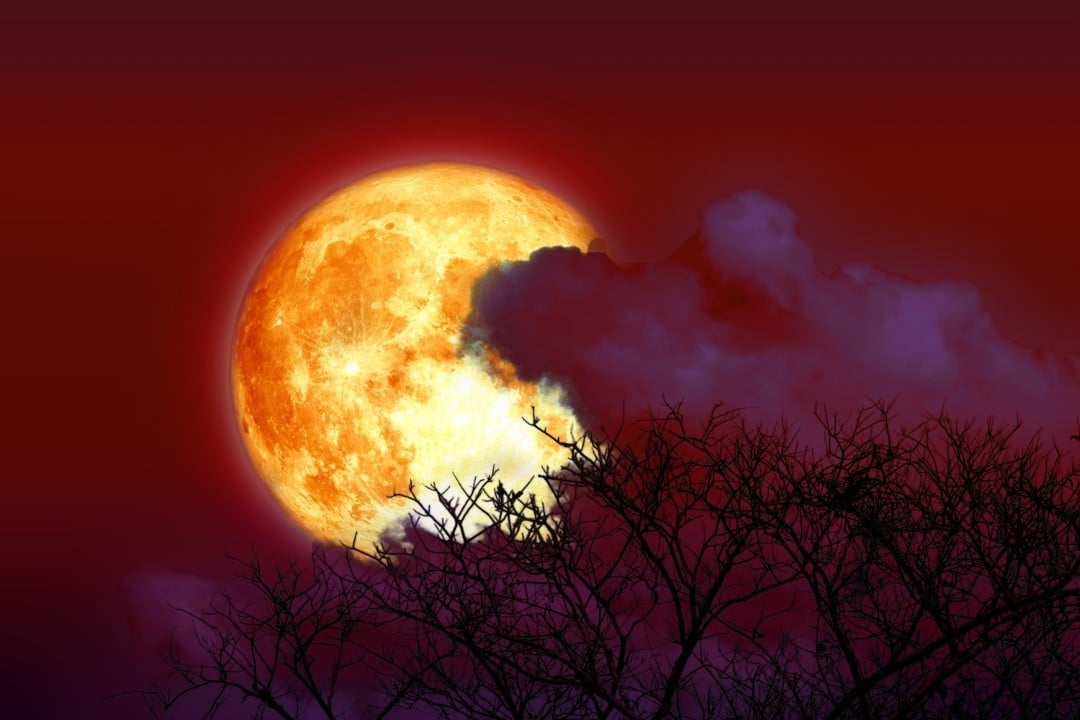
Although it will not reach the intense red hue of a “blood moon” characteristic of total eclipses, the Moon may display a subtle orange glow. The phenomenon will be visible around midnight East Coast time on August 27, and around 9pm on the West Coast, recommending the use of astronomy apps for accurate local times.

Watch the full “sturgeon” moon on August 28
August’s full Moon, known as the Sturgeon Moon, will light up the sky around midnight Eastern Time on August 28. Although the night of August 27th to 28th is the best time to enjoy the eclipse, the Moon will also appear particularly large and bright when it rises on the night of August 28th.
Enjoy the spectacle of the moon rising along the eastern horizon, close to sunset. The name “sturgeon moon” originates from the proliferation of these fish in the Great Lakes and Lake Champlain in the northeast, according to tradition in The Old Farmer’s Almanac.
Conjunction between the moon and Saturn ends August
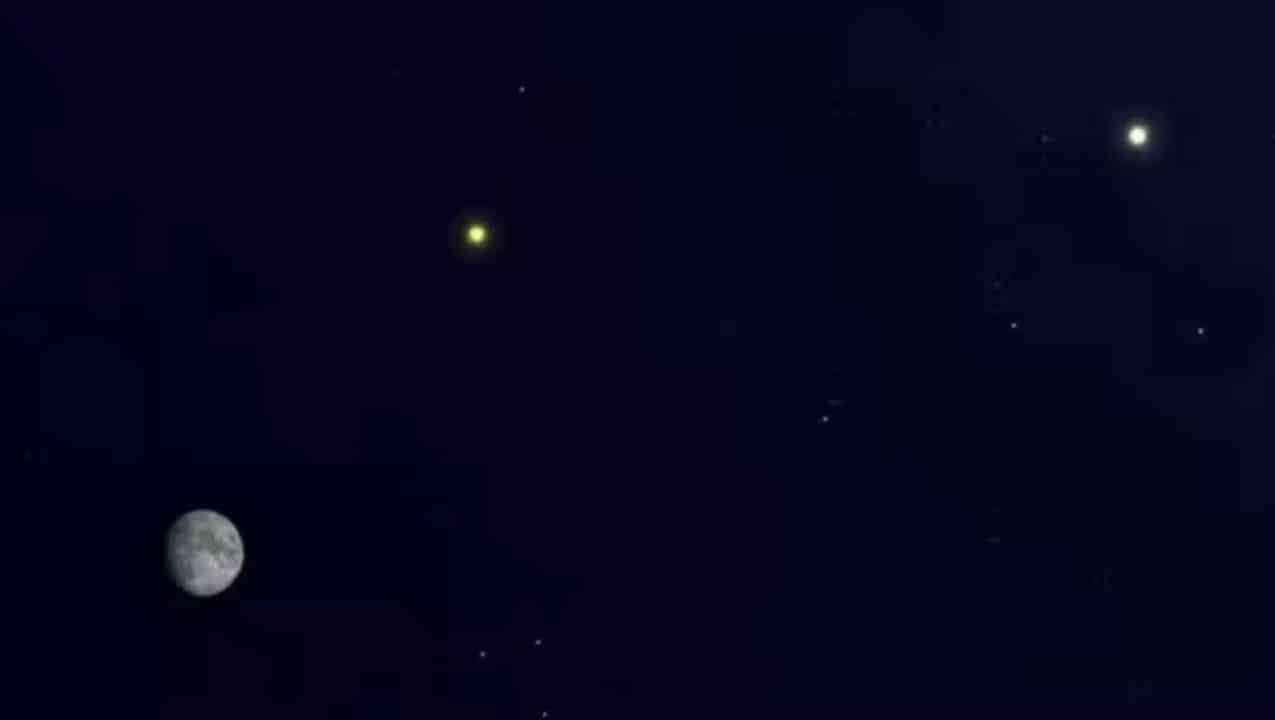
The busy month of August will end with a meeting between the Moon and Saturn on the nights of August 30th and 31st. The two stars will appear approximately five degrees apart, a distance that can be compared to the width of three fingers.
Both will rise together above the eastern horizon about two hours after sunset and make their journey across the ecliptic during the night, disappearing at dawn. The other planets that are part of the month’s morning parade, including Mars and Jupiter, will follow the same path, being more easily visible to the naked eye.
Return of the Northern Lights in Arctic regions at the end of the month
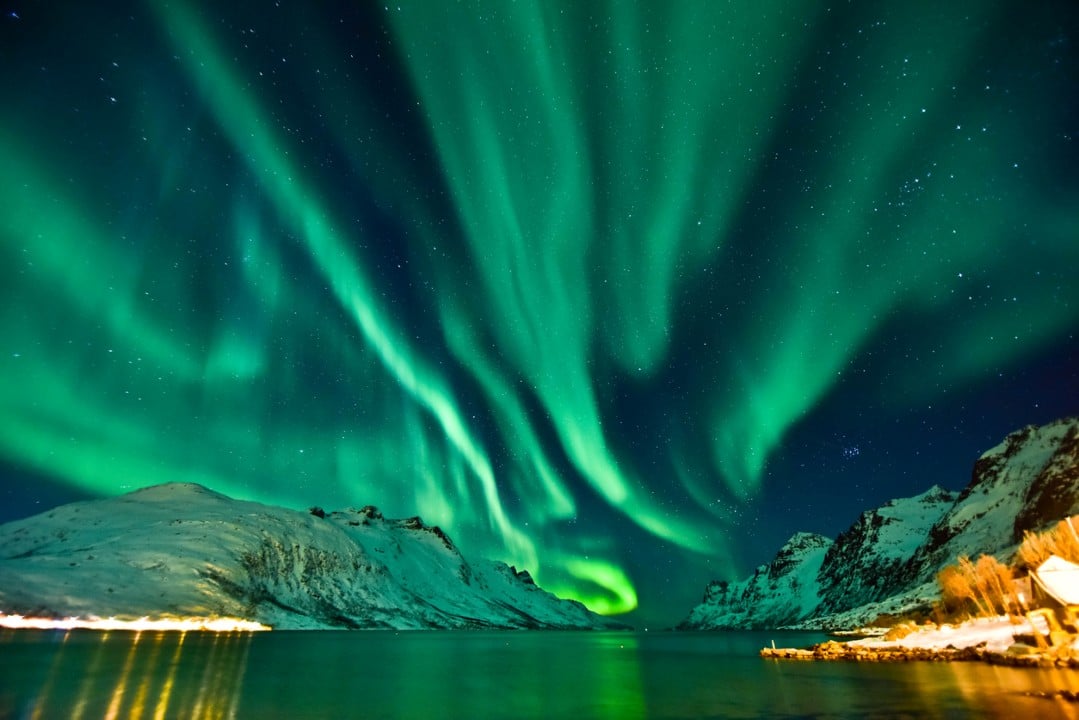
The end of August marks the start of the Northern Lights season, as nights become darker in Arctic regions. Observers in places like Alaska, northern Canada, Iceland and Scandinavia may have the opportunity to spot the first displays of the phenomenon.
For better visibility, it is advisable to move away from city lights and check space weather forecasts before planning to observe, as the intensity of the aurora depends on solar activity and atmospheric conditions.