New iPhone 18 line brings 200 MP lens and debuts long-awaited foldable cell phone from Apple
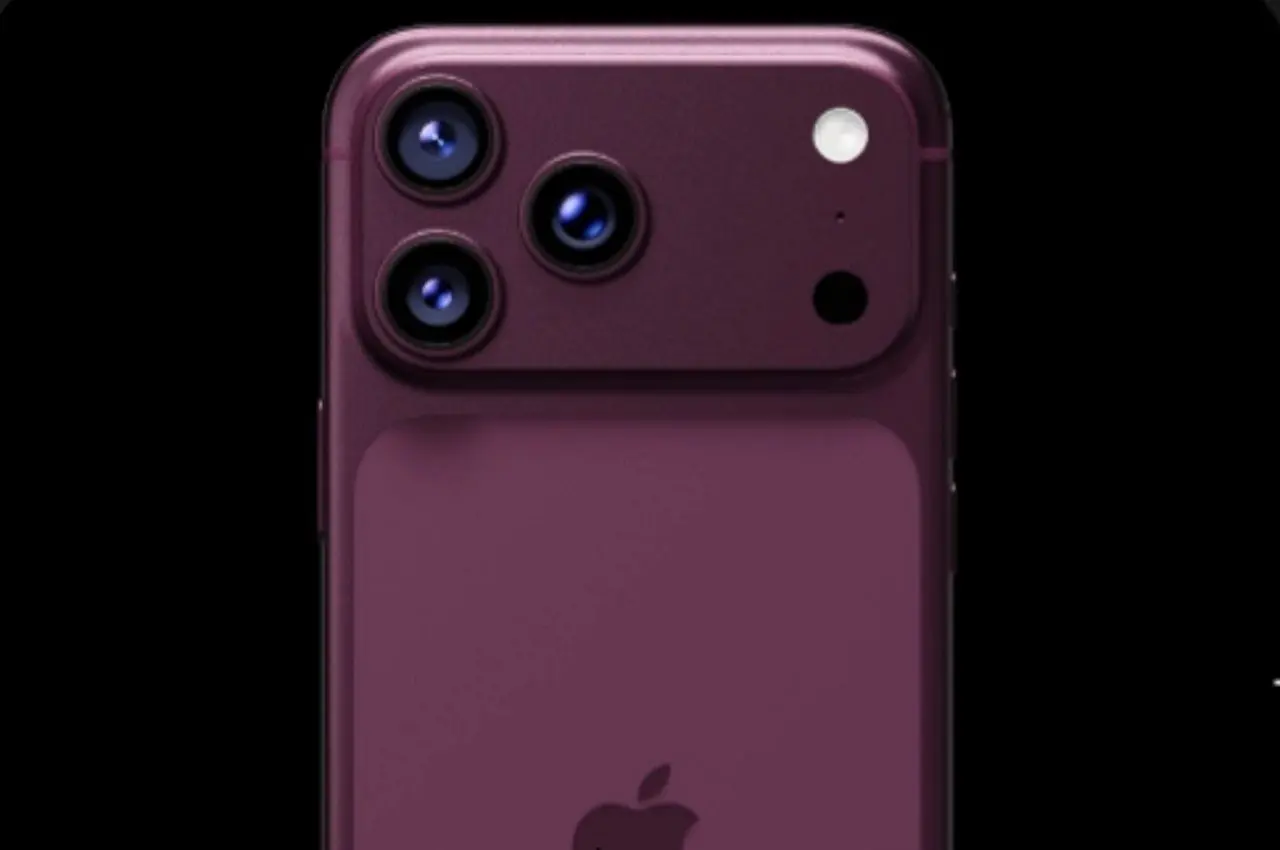
The Cupertino giant revealed its latest family of cell phones worldwide, highlighting the powerful iPhone 18 Pro Max, which now sports a 200-megapixel periscopic sensor and an unprecedented lens opening mechanism. The event also served as the stage for the unveiling of the long-awaited iPhone Fold, marking the company’s definitive entry into the competitive flexible screen sector. Consumers will be able to purchase the new equipment from September 2026, paying prices starting at US$899 for the entry-level version and reaching US$1,199 for the most sophisticated variant.
Significant advances in cameras and true depth control
The chassis of the iPhone 18 Pro Max hides profound modifications to the optical assembly, raising the device’s level to something close to that of dedicated cameras. The manufacturer incorporated a 1/1.12-inch capture component, the widest piece ever used by the brand to record light, guaranteeing unprecedented photon absorption. Image processing in dark scenes received a notable leap in quality, eliminating graininess and delivering clear recordings even when ambient lighting is almost non-existent.
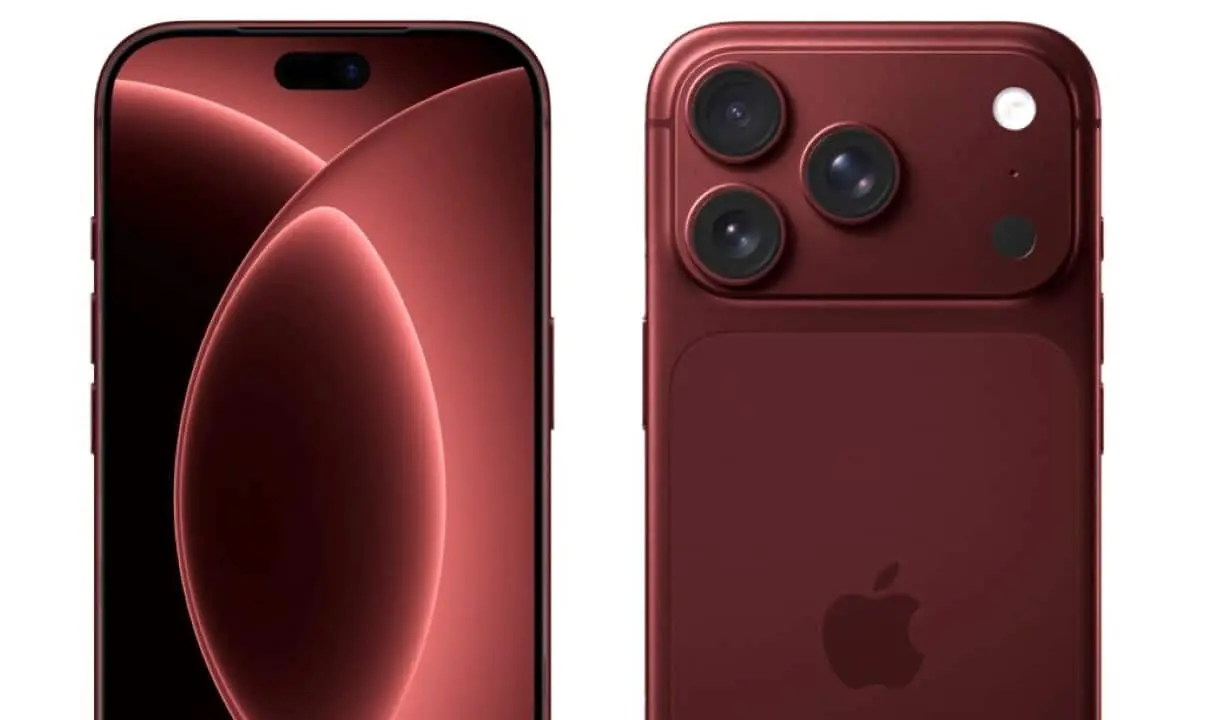
More on this story: Apple’s new line of cell phones features a 200 MP lens and long-awaited debut in the foldable market
The set’s biggest difference lies in the ability to physically change the lens diaphragm moments before taking the photo. This mechanism gives content creators the ability to generate a genuine, optical background blur, dispensing with the old software tricks that often failed when cropping hair and glasses. The 200 MP periscopic lens works in conjunction with this new feature, ensuring a powerful zoom that preserves every detail of the original scene.
On the standard iPhone 18 Pro version, the rear panel displays a trio of lenses with robust capabilities. The equipment has a 48-megapixel primary sensor, accompanied by an ultra-wide-angle lens with the same resolution and a 64-megapixel periscopic option. The two models in the professional line can record videos in the highest 8K resolution at 60 frames per second, supported by an intelligent system that continuously adjusts the exposure and colors of the recording.
Performance driven by new lithography and energy gains
The heart of the new devices is the A20 Pro chip, which abandons the old three-nanometer architecture to adopt the two-nanometer manufacturing process, resulting in a significant leap in speed and thermal savings. This component operates in harmony with the new energy tanks, guaranteeing up to 26 hours of screen time without interruptions. The larger variant houses a 5,200 mAh component, while the smaller version has 4,300 mAh. A first-of-its-kind extreme charge preservation feature can keep the phone operating for up to three days, cutting out background processes to ensure only calls and messages.
The front of the devices displays LTPO Super Retina XDR OLED panels, built with M16 technology supplied by South Korean Samsung. The more robust model grew to 6.9 inches, while the traditional Pro edition maintained 6.3 inches of usable area. Visual fluidity continues to be guaranteed by the 120 Hz refresh rate, which drops drastically when reading texts to save battery life. The design team also managed to shrink the top cutout of the screen, expanding the area available to view system alerts.
See Also

MacBook Air notebook with M4 chip and 16 GB reaches lower retail price

New Xbox Game Pass structure brings three plans and consolidates streaming in Brazil

Xbox Game Pass subscription values suffer a significant drop in the market
Learn more: OnePlus’ withdrawal from the American market raises alarm for the Nothing brand
- 12GB volatile memory ensures fluid transitions between dozens of open apps.
- Internal archiving capacity that reaches the 2 TB mark in the most expensive edition.
- C2 network component created by the manufacturer itself to improve reception from local antennas.
- Integrated support for the new Wi-Fi 7 and Bluetooth 6 wireless connection standards.
- Expanded coverage for sending help via satellite in regions without an operator signal.
The brand’s first foldable model targets a niche segment
The arrival of the iPhone Fold puts the American giant on a direct collision course with Samsung’s Galaxy Z Fold line, which has dominated the flexible screen segment in recent years. The chosen format resembles a traditional book, featuring a 5.5-inch external display for quick everyday interactions. When unfolding the structure, the user finds a 7.8-inch OLED panel, converting the phone into a compact tablet ideal for watching movies, analyzing complex graphics and writing long texts.
The folding mechanism required years of internal testing to almost completely eliminate the display’s central crease, a chronic problem that has always generated complaints on rival devices. The fingerprint reader returned to the ecosystem, now embedded in the side lock button, allowing you to quickly access the system without having to open the device. Internally, the foldable inherits the power of the professional line, featuring the A20 Pro chip, 12 GB of RAM and options for up to 2 TB of space. The rear photographic set has two lenses, headed by the 200 megapixel sensor. The value stipulated for the global launch is around US$2,000, focusing on technology enthusiasts.
Revamped operating system with a focus on intelligent automation
The entire new crop of cell phones will come out of the box running iOS 27, a platform that once and for all embraces the capabilities of generative artificial intelligence. The company’s voice assistant has undergone a profound redesign of its logical structure, becoming capable of interpreting long requests and remembering the main topic during an extended dialogue. The virtual environment can now read information from different native programs to organize the owner’s routine autonomously.
The native image manager received tools that edit photographs on their own, suggesting ideal framing and erasing unwanted people from the background when recreating the scene digitally. The system’s keyboard began to study the way the owner writes, formulating entire responses to chats based on the vocabulary most used in everyday life. To ensure privacy, all of these mathematical operations occur physically inside the A20 Pro processor, without any personal data having to travel to remote servers.
Sales strategy divides devices by consumption profile
The standard model of the iPhone 18 works as the starting step of the new family, priced at US$899. The big win for buyers of this version is the inclusion of the fast-refreshing screen, a benefit that was previously restricted to customers willing to spend more. The look and internal engine have been revised to support the heavy tasks of iOS 27. Available shades include dark cherry, light blue, dark gray and silver, marking the temporary retirement of the classic black casing. The iPhone 18 Pro starts at US$1,099, justified by the high production cost of the new lenses and cutting-edge screens. This showcase division makes the company’s plan clear: the base version serves the common public, the Pro line targets audiovisual producers and the foldable model tests the acceptance of an innovative design.