Nintendo prepares launch of new console with remake of Zelda Ocarina of Time
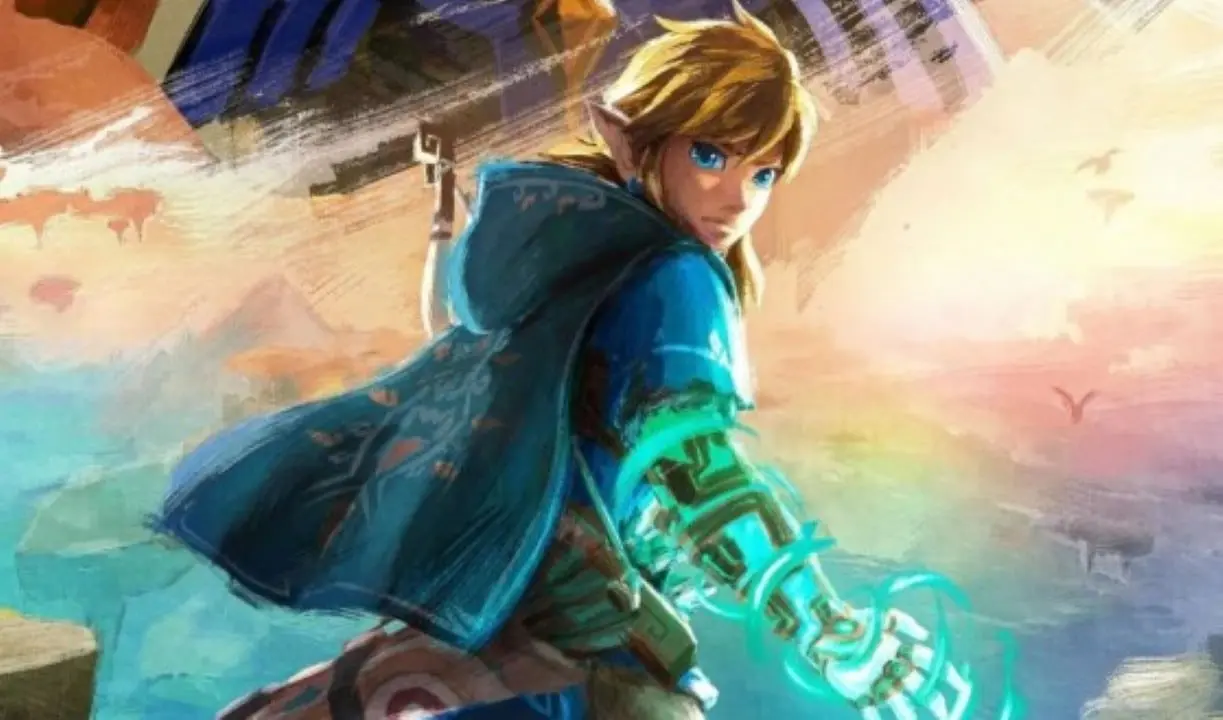
Japanese giant Nintendo is in final preparations to introduce its next video game platform to the global market, marking the end of the life cycle of its current device. Partner studios already have development kits on hand to test the machine’s capabilities, which will arrive in stores accompanied by a complete recreation of the classic Zelda: Ocarina of Time. This maneuver by the company seeks to combine the weight of a historic franchise with technological innovations, aiming to capture both the most nostalgic fan base and the public that is now entering the gaming universe.
The equipment’s debut package promises to deliver a significant leap in processing power, in addition to special themed editions and the guarantee that the entire previous generation collection will work perfectly. Experts point out that this strategy of keeping the ecosystem integrated should accelerate the migration of consumers to the new hardware in the first few weeks of sales, ensuring robust revenue during the launch period.
More on this story: Nintendo details specifications of its next console and confirms first exclusive games
『제르다의 시대의 오카리나』의 메자리메이크특,
(소스:https://t.co/Isv8LRAJxQ) pic.twitter.com/NQfhSRF9CE
—चर्चाफिल्म (@चर्चाफिल्म)2026년 3월 27일
Hybrid design and portability remain the main focus of the new device
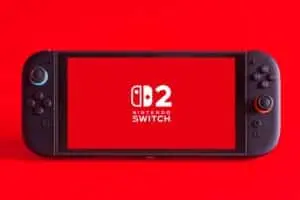
The manufacturer chose not to change the team that is winning and maintained the praised hybrid architecture, allowing users to play both on the street and connected to a television. For the device’s native screen, the choice fell on an 8-inch LCD panel, a decision focused on reducing manufacturing costs and ensuring that the product reaches the shelves at a competitive price compared to direct competitors.
Learn more: Nintendo’s next console will hit the market with remake of Zelda Ocarina of Time
Under the hood, the system is driven by a custom processor, created in collaboration with a major semiconductor supplier, delivering a substantial graphical evolution. The great asset of this chip is the incorporation of artificial intelligence for resizing images, which guarantees high-resolution visuals when the video game is on the charging dock. In practice, this makes life easier for other producers who want to adapt big-budget titles for the Nintendo platform without a drastic drop in visual quality.
1998 classic gets visual modernization and mechanics rebuilt from scratch
Zelda’s revitalization project keeps intact the essence of the narrative, dungeon exploration and three-dimensional action that established the original work, but elevates the experience to current industry standards. Using state-of-the-art graphics engines, the programming teams are redoing every texture, character model and lighting system, ensuring an unprecedented visual spectacle for the franchise.
- Take full advantage of new processing power to deliver ultra-realistic graphics.
- Replacement of old audio files with a fully orchestrated soundtrack.
- Complete redesign of the user interface and controls to adapt to contemporary standards.
In addition to the aesthetic appearance, the developers implemented crucial adjustments to the menu navigation and battle system, making the gameplay more responsive without reducing the complexity of the puzzles. It is worth remembering that the original Nintendo 64 title still boasts a 99 rating on the Metacritic aggregator, being considered the best rated game in history, which increases the responsibility of this recreation. Thanks to the new console’s solid-state storage, loading screens have been virtually eliminated, ensuring seamless immersion.
See Also
Nintendo releases refunds for Xenoblade Chronicles X update on Switch 2 after visual glitches

Valve’s new console reaches $800 with the impact of artificial intelligence

Apple revolutionizes the market with 5.5 mm cell phone and liquid glass screen
Compatibility with older games guarantees a huge library on launch day
For the generational transition to occur without friction, the Japanese company understood that it was essential to respect the collection already acquired by players over the last few years. It was confirmed that the new hardware will natively run both physical media and digital downloads of the previous video game. With this consumer-friendly decision, the device will be born with thousands of adventures available for immediate access.
On the same topic: Nintendo announces new console with complete recreation of Zelda Ocarina of Time
The software engineering team went further and prepared resolution filters and frame rate stabilizers, making old games run with superior performance on the new machine. The format of the cartridges underwent a slight design change to avoid confusion, but the new console’s reading compartment was designed to perfectly accept both types of media, saving customers’ pockets.
In the online environment, data migration will be fully linked to the corporation’s unified accounting system. All purchase history, friends list and save files stored in the cloud will be automatically transferred to the new device, eliminating the need to create new registrations or go through bureaucratic verification processes.
Mass production strategy aims to avoid a shortage of consoles in stores
Learning from the shortage crises that have haunted the technology sector recently, assembly lines have been operating at full capacity for several months. The manufacturer has diversified its supplier network for vital parts such as memory chips and lithium batteries, ensuring that factories located on the Asian continent do not suffer interruptions due to a lack of raw materials.
More on this story: Nintendo confirms launch of new video game console with remake of Zelda Ocarina of Time
Projections indicate that the initial volume of units manufactured will surpass any other launch in the brand’s history, which comes from the resounding success of the Switch, with more than 139 million devices sold. Distribution centers across the globe are already receiving stocks, using a complex sea and air transport network to ensure that retailers on every continent have the product available on exactly the same date.
Support from partner studios strengthens the first year’s release calendar
The system’s simplified architecture has been praised by independent programmers as it allows complex games to be converted with considerably less effort. Native compatibility with the main graphics engines on the market shortens development time and optimizes producers’ financial resources. As a direct result of this facility, the release schedule for the first twelve months already includes major projects from Western and Eastern studios, consolidating the strength of the new hardware in the competitive digital entertainment scenario.