
Farewell to television drama: Laura Cardoso dies at age 98 in Brazil

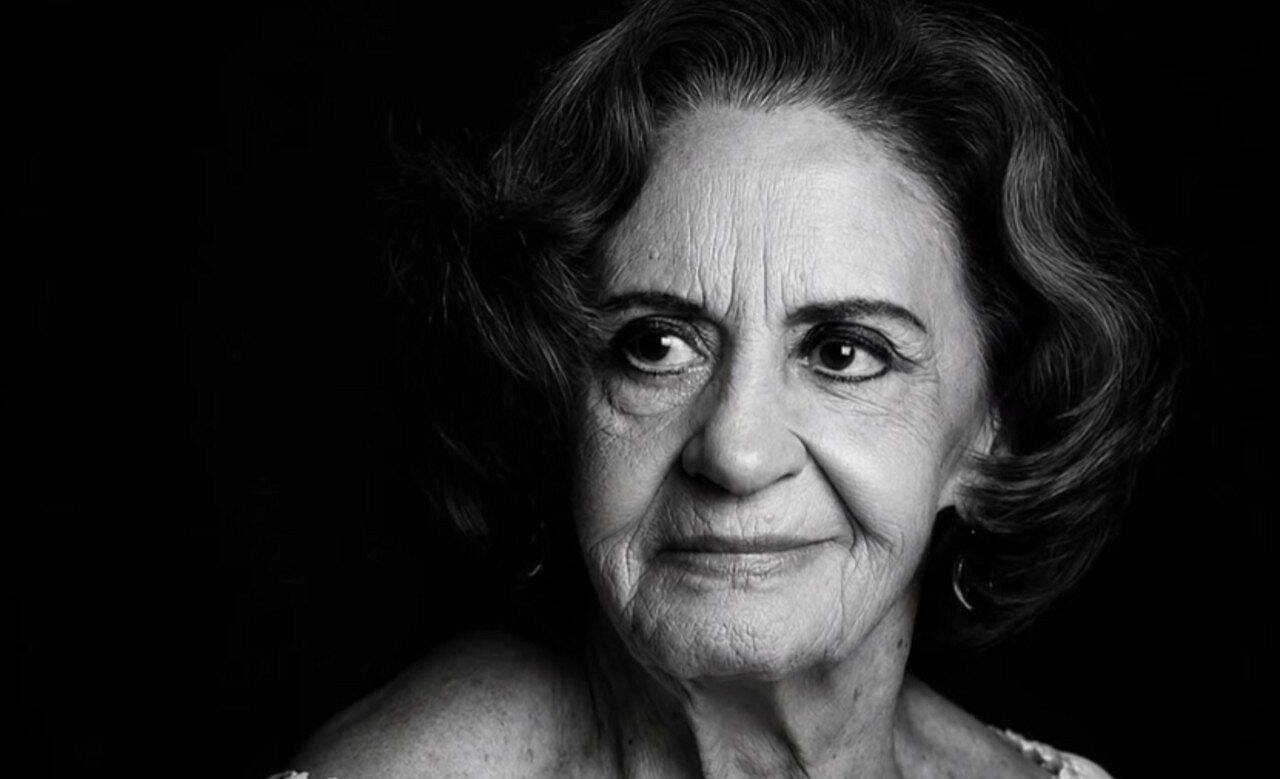
Brazilian television drama says goodbye to one of its greatest legends with the death of actress Laura Cardoso, aged 98. Registered as Laurinda de Jesus Cardoso Baleroni, the veteran built an artistic empire that is intertwined with the very foundation of communication in the country. With a vitality that defied time, she remained in the spotlight for more than eight decades, becoming a fundamental pillar for the consolidation of national television, theater and cinema. The artist’s departure ends a golden cycle of acting, leaving an invaluable collection of works that will continue to train new generations of actors and spectators.
The first steps in radio and pioneering in São Paulo television
Long before cameras dominated home entertainment, the young actress’s powerful voice and impeccable diction already echoed across radio sets in the 1940s. The beginning of her journey occurred in radio soap operas, a format that required extreme vocal skill to convey emotions without the aid of images. This rigorous training in São Paulo studios forged an iron discipline, a characteristic that would accompany her throughout her extensive professional career and make her stand out among her peers.
When television was inaugurated in Brazil in 1950, the transition to the new vehicle was a natural movement for the talents of the time. The artist was present in the early days of TV Tupi, participating in teletheaters broadcast live, where there was no room for errors, edits or re-recordings. This heroic phase of broadcasting required improvisation and courage, elements that she mastered masterfully, helping to shape the audiovisual language that we consume daily on screens of all sizes.
Unforgettable characters that defined national television drama
The ability to change in front of the cameras turned the veteran into a wild card for the biggest soap opera authors in the country. Far from clinging to a single stereotype, she fluidly navigated between sharp comedy, deep drama and cruel villainy. Their performances as strict matriarchs, women of the people or ladies of high society always carried a palpable humanity, which generated immediate identification with the public that followed the plots in prime time.
Her scenic mastery allowed her to steal the show in several productions, often overshadowing the protagonists with her visceral delivery. Work on highly successful projects ensured that his face became familiar in practically every Brazilian home. To illustrate the magnitude of his impact on popular culture, it is possible to highlight some of his most acclaimed appearances on the small screen:
- The masterful interpretation in “Mulheres de Areia”, where he delivered a performance full of emotion and psychological nuances that captured the country’s attention.
- His strong presence in the classic “Irmãos Coragem”, one of the productions that helped to definitively popularize the daily soap opera format in Brazil.
- His unforgettable role in the spiritualist plot “The Journey”, demonstrating his versatility in narratives that stray from traditional realism.
- The comical and charismatic vein explored in the period hit “Chocolate com Pimenta”, also winning over children and young people and renewing its fan base.
Definitive consecration on theater stages and cinema screens
Although television was the main showcase for his talent, restricting his importance to soap operas alone would be a historic mistake. On theater stages, the actress starred in productions of classic and contemporary texts, working alongside renowned directors who demanded the maximum of her dramatic ability. Direct contact with the audience has always been considered by her as the true thermometer of the profession, a sacred space for the exchange of energy and continuous technical improvement.
In Brazilian cinema, his contribution was equally great, participating in dozens of feature films that portrayed the most diverse facets of society. From Cinema Novo to the most recent commercial productions, his presence on the big screen has always given weight and credibility to projects. This multimedia performance earned him the most important trophies in the artistic class, including multiple awards from the São Paulo Association of Art Critics (APCA) and statuettes from the Brazilian Cinema Grand Prix.
A lifetime dedicated to art and the weight of its absence
What most impressed her castmates and directors was the artist’s vehement refusal to retire. Even after passing the 90-year-old barrier, she made a point of frequenting the recording studios, memorizing texts with the same avidity as at the beginning of her career. This active longevity served as a true master class for younger actors, who saw in her a living example of respect for the craft and unconditional passion for the art of acting.
The news of his death generated an immediate wave of commotion in all spheres of society. Political authorities, cultural institutions and, above all, millions of anonymous admirers expressed their sadness at the loss of such a maternal and familiar figure. The corridors of television stations and the backstage of theaters dawned quieter, aware that one of the last representatives of the founding generation of national entertainment had definitively left the scene.
The end of the actress’s physical journey does not mean the end of her influence on the artistic scene. The vast material recorded on video, audio and film guarantees that his genius will remain accessible for academic studies and for public enjoyment on streaming platforms and television reruns. The history of culture in Brazil has extensive chapters that were written exclusively by the talent of this giant, whose name will remain engraved in the pantheon of the greatest artists this country has ever produced.





