
GWM prepares arrival of new hybrid SUV to the Brazilian market with a focus on autonomous technology

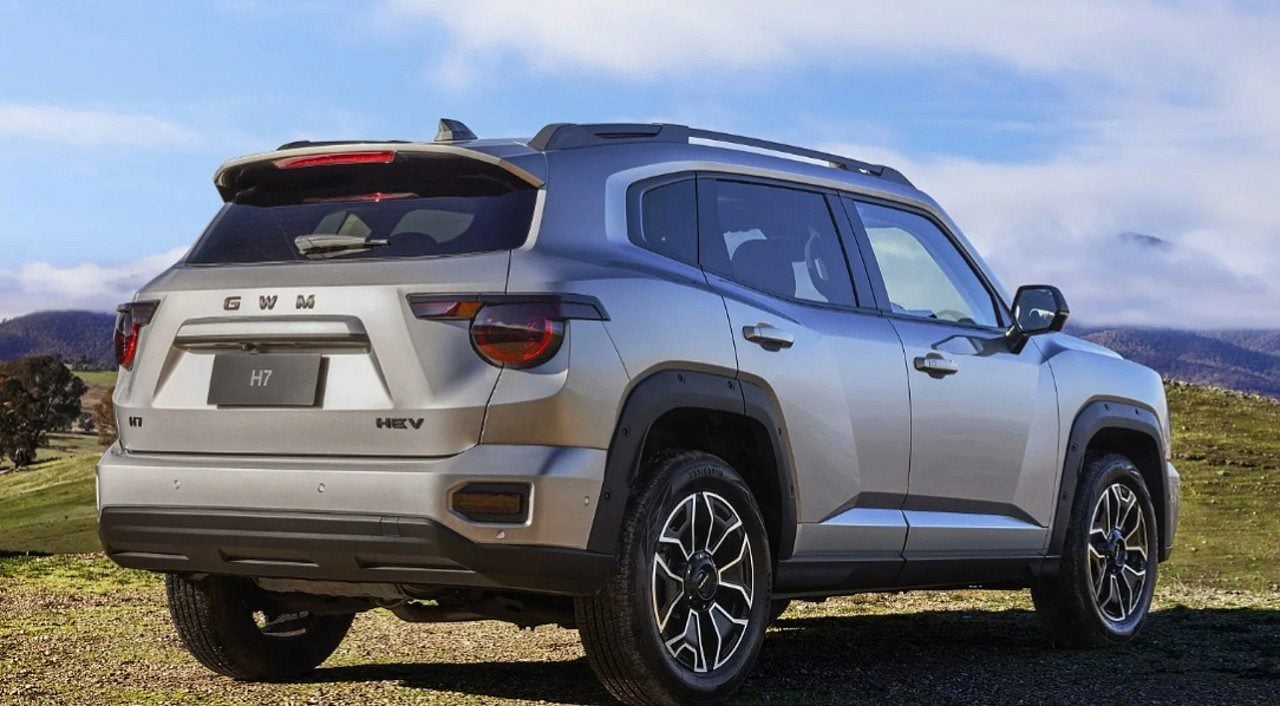
The national automotive industry will receive a boost in the coming years with the confirmation of a new sports utility vehicle. Asian manufacturer GWM has scheduled the introduction of the Haval H7 in the country’s dealerships for 2026, marking a new phase of its local operations. The vehicle with a plug-in hybrid engine lands with the mission of stealing customers from already established utility vehicles, raising the level of consumer demand. This movement shows that the automaker wants to leave behind the brand image focused solely on cost-benefit to fight on equal terms at the top floor of the automotive sector.
Generous internal space and aggressive values to attract new buyers
The physical size of the utility vehicle is impressive at first glance, with a total length of almost five meters and a luggage compartment capable of accommodating around 586 liters. Such measures place the launch one step above the company’s current bestseller, ensuring a more spacious option for Brazilian families. Commercial expectations revolve around a price tag below the R$300,000 barrier, a tactic designed to attract those looking for sophistication without needing to migrate to traditional luxury brands.
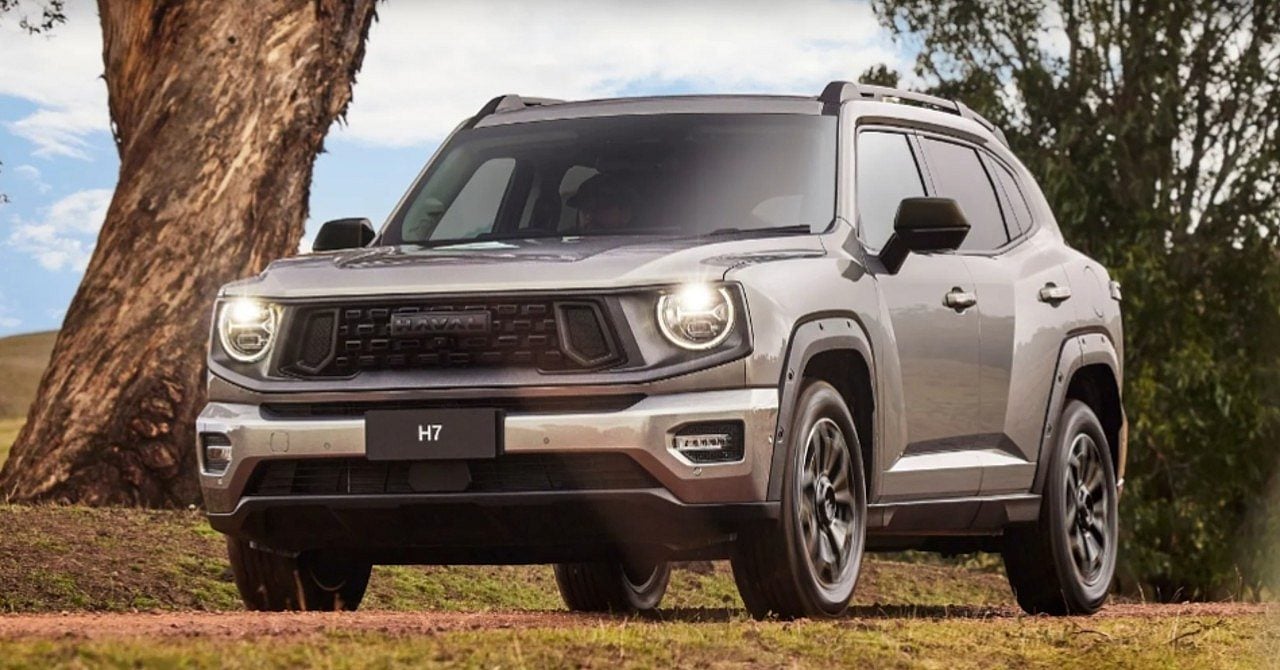
The family comfort appeal creates a clear barrier to long-standing rivals. While utilities of Japanese and North American origin base their sales on the strength of their logos and vast technical assistance network, the Chinese novelty puts its chips on a much superior equipment package. This massive delivery of electronic resources generates an immediate feeling of financial advantage for the buyer, justifying the investment in a brand that is still building its legacy in the national territory.
Electrified mechanical set delivers superior performance to direct rivals
Under the hood, Asian engineering chose to combine a turbocharged 1.5-liter combustion engine with a high-capacity electrical system, forming a rechargeable unit. The practical result of this union is a cavalry that oscillates between 326 and 364 horsepower, numbers that leave the vast majority of competitors in the same category behind. This extra breath becomes the main selling point when the car is placed side by side with other Asian newcomers, which deliver good energy efficiency, but lack in sportiness.
The integrated battery guarantees completely emission-free driving for everyday tasks in large cities, reserving the full power of the combustion engine for road trips. This dual mechanical personality solves the dilemma of many drivers, delivering extreme savings in traffic jams and safe overtaking on the roads. The flexibility of the plug-in hybrid system has proven to be the ideal solution for Brazilian infrastructure, which still lacks a broad network of fast chargers on state interconnection highways.
State-of-the-art equipment includes advanced safety radars
The vehicle’s internal environment is dominated by high-resolution screens, starting with a 14.7-inch central monitor responsible for all the car’s entertainment and adjustments. Just in front of the steering wheel, a 10.2-inch digital display concentrates vital driving data, such as charge level and remaining range. The big technological leap, however, is the laser mapping of the external environment, a very rare feature in this price range that enables advanced autonomous driving and accident prevention functions.
- Touch-sensitive main display with nearly 15 inches of usable area
- Fully digital instrumentation focused on power management
- Laser scanning radars for advanced driver assistance
- Peripheral vision system combined with automatic braking and intelligent cruise control
The presence of these standard items transforms the onboard experience and changes the level of the category in the country. Consolidated utilities usually charge separately for basic driving assistants, while the Asian launch democratizes technologies previously restricted to vehicles from premium European brands. This aggressive strategy of filling the cabin with innovations is what sustains the price charged and attracts a clientele eager for modernity.
Fierce dispute promises to change the sales scenario in the country
The automaker’s offensive generates an immediate shock wave on the sales charts in the national market. The new utility puts double pressure: it threatens the leaders powered by pure combustion and also bothers the electrified countrymen who already drive here. Traditional brands, which have dominated license plates for years based on blind consumer trust, now need to figure out how to respond to a product that runs longer, pollutes less and charges a similar price.
The most interesting clash will take place against the hybrid models that have already won over the Brazilian middle class. If current competitors focus almost exclusively on using little fuel, the new addition adds a huge dose of power and military precision radars to the package. The arrival of this strong competitor forces companies already installed to review their equipment lists and their profit margins, directly benefiting the end buyer with increasingly better cars.
Expansion of the product line strengthens the presence of the Asian brand
The launch of this new project fills an important strategic gap in the manufacturer’s catalog in the national territory. By maintaining more accessible options as a gateway, the company is now able to retain customers who want to evolve categories without needing to change brands. This construction of a ladder of solid products demonstrates that Asian executives are committed to the country in the long term, betting big on the energy transition of the national fleet and the change in mentality of Brazilian drivers in relation to imported cars.





