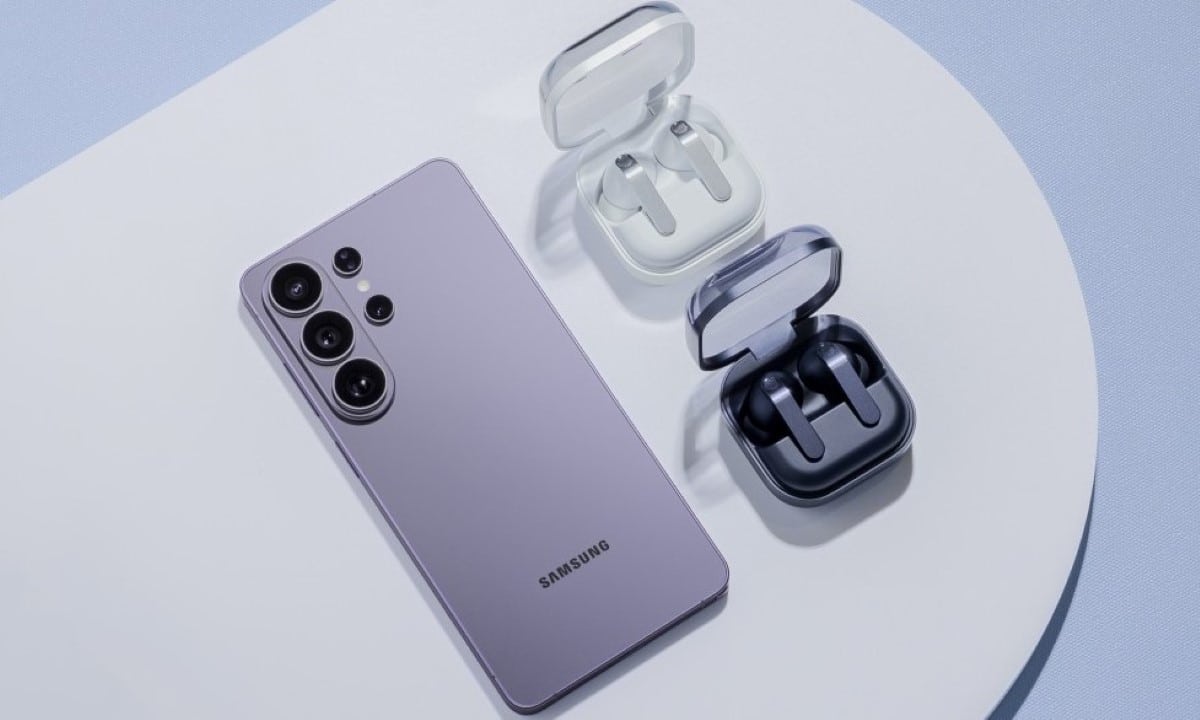
The ability to keep the device turned on throughout the day has become the main pillar of demand for consumers of high-end smartphones. With the launch of the Galaxy S26 Ultra approaching, energy autonomy gains the spotlight as a decisive purchasing factor in the current market. More than just focusing on raw milliampere-hour (mAh) numbers, the true metric of success lies in how the device manages consumption during everyday activities, from entertainment to heavier professional tasks, dictating the pace of the user experience.
Power management in this new Samsung model represents one of the finest aspects of modern engineering. To support ultra-fast processors and ultra-high-resolution displays without draining power quickly, seamless integration between advanced hardware and the operating system is critical. The evaluation of this component goes far beyond off-the-shelf technical specifications, encompassing the efficiency of the software, the internal communication of the chips and the ability to support both casual use and the most demanding applications without compromising the fluidity of the system.
Within the premium category, buyers’ minimum expectations have already exceeded the barrier of twenty-four hours of operating time away from the socket. The objective of the S26 Ultra is to provide an even greater margin of safety, ensuring peace of mind for those who use their cell phones intensively throughout their routine. This robustness allows prolonged gaming sessions with heavy graphics, multiple open tabs and media editing to occur naturally, eliminating the constant fear of seeing the battery icon turn red in the middle of the afternoon.
Manufacturers face a constant physical challenge on the drawing board: increasing power storage capacity without turning the phone into a heavy, uncomfortable block. While ultra-fast charging technologies help mitigate the problem of lack of charge, the absolute priority remains extending screen-on time per cycle. The perfect balance between an elegant design and a long-lasting energy cell will be the main thermometer to measure the success of this launch compared to its direct competitors.
Strict criteria for measuring the energy resistance of devices
Accurately analyzing the durability of a high-cost phone requires faithfully recreating consumers’ daily habits in a controlled environment. Testing laboratories apply rigorous methodologies that evaluate load depletion in specific scenarios, including:
- Continuous browsing on internet pages and scrolling on social networks.
- Prolonged playback of videos in very high definition via streaming.
- Running synthetic benchmark tools to stress the processor and graphics card.
To ensure these results are fair and comparable, experts use automated scripts that remove human variation from measurements. These standardized tests monitor power depletion while switching between Wi-Fi connections and 5G mobile networks, adjusting screen brightness to predetermined levels. The behavior of applications running in the background is also closely monitored, providing an accurate portrait of the device’s efficiency in different connectivity environments.
Impact of consumption at rest on consumers’ routine
One of the biggest technological frustrations occurs when your cell phone loses a significant percentage of charge while it is inactive in your pocket or on your desk. Controlling consumption in standby mode, technically known as standby, is a vital metric for the satisfaction of anyone purchasing a device of this size. The expectation is that the system will freeze unnecessary processes and preserve energy intelligently, ensuring that the battery remains practically intact during periods of idleness.
This charge retention when the screen is off reflects the level of deep optimization achieved between the software and physical components of the motherboard. For professionals who travel frequently or spend hours on the move, the confidence that the phone won’t drain itself is a huge difference. The continuous improvement of this silent energy management dictates the rules for how modern devices can extend their useful life throughout the twenty-four hours of the day.
Internal advances and optimization of fundamental parts
The search for market leadership forces the adoption of chemical and structural innovations in the manufacture of smartphone power cells. One of the main focuses of the current industry is the development of batteries with greater energy density, allowing more charge to be stored in the same physical space. This evolution in the composition of internal materials is what makes it possible to increase the autonomy of the Galaxy S26 Ultra without compromising the thickness of the chassis or adding extra grams to the total weight of the equipment.
In parallel with chemical advances, Power Management Integrated Circuits (PMIC) undergo constant refinement on assembly lines. These tiny controllers act as conductors, surgically distributing electricity to the processor, screen and communication antennas. By ensuring that each part receives strictly the voltage required to function, the system prevents thermal waste and drastically reduces unnecessary battery drain.
Artificial intelligence and machine learning have taken a leading role in extending daily usage time. Modern algorithms map the times when the owner uses the cell phone most, identifying application opening patterns and adjusting performance according to demand. This behavioral reading allows the system to reduce processing power in moments of low activity, significantly extending the hours of active screen time without the user noticing any drop in performance.
Connectivity challenges and daily performance expectations
The public that invests in an Ultra line smartphone does not accept compromises when it comes to durability under continuous stress. The device will be subjected to marathon media consumption, non-stop video calls and ultra-high-resolution photo capture while traveling. It’s precisely in these relentless usage scenarios that the power architecture needs to prove its worth, keeping the phone operational without overheating or requiring emergency recharges in the middle of the day.
In the corporate environment, the constant transition between emails, document editing and communication platforms requires impeccable energy stability. Essential features like GPS satellite navigation, seamless connection to Bluetooth headphones, and cloud data syncing are known to gobble up a charge quickly. The device needs to support this simultaneous workload, ensuring that the professional finishes his workday with battery to spare.
The infrastructure of 5G networks, although it offers impressive download speeds, represents one of the biggest villains of mobile electricity consumption. In regions where the signal fluctuates, the cell phone modem works at maximum power to keep the connection stable, which can drain the battery in a few hours. Intelligent management of this antenna swap is a mandatory requirement to prevent signal searching from compromising the general autonomy of the Samsung device.
The ultimate goal of all these optimizations is to eliminate outlet anxiety, providing a worry-free usage experience with cables and adapters. The South Korean manufacturer is on a mission to deliver a set that not only meets current standards, but that raises the bar of what is considered acceptable in the premium segment. Customer satisfaction is directly linked to the certainty that the phone will be ready for use in any unforeseen everyday situation.
Fierce competition for dominance in the high-end market
The Galaxy S26 Ultra’s prominent position inevitably puts it on a collision course with major competitors in the global technology sector. The Ultra family carries the historic responsibility of leading innovations and setting trends for the coming years in the Android universe. To maintain this hegemony, it is imperative that the new model surpasses the solid battery reputation built by its predecessors, offering practical numbers that justify the consumer’s high investment.
Rivalry at the top of the smartphone chain drives billion-dollar investments in research and development with each new generation. Companies like Apple and Google dedicate massive resources to harmonizing their own processors with exclusive operating systems, seeking the maximum energy efficiency possible. This scenario of fierce competition ensures that advances in battery durability continue to be the main battlefront in winning the preference of the most demanding users on the market.